Kids, Lobbies, and the Conversations to Have Early
Children in apartment shared spaces are not the problem most adults pretend they are. They do, however, benefit from a few clear conversations early on.


The shared spaces of apartment buildings are designed for adults. Children are a real part of building life but they are not the default occupant of the lobby or the elevator. The parents who handle this well have a few early conversations with their kids about how to be in these spaces. The conversations are short and simple. The effects are large and durable.
The basic shared-space conversations
The early conversations cover a few specific behaviors that adult residents notice. Each can be discussed with a small child in a way they understand:
- The lobby is a quiet room. Indoor voices, not playground voices.
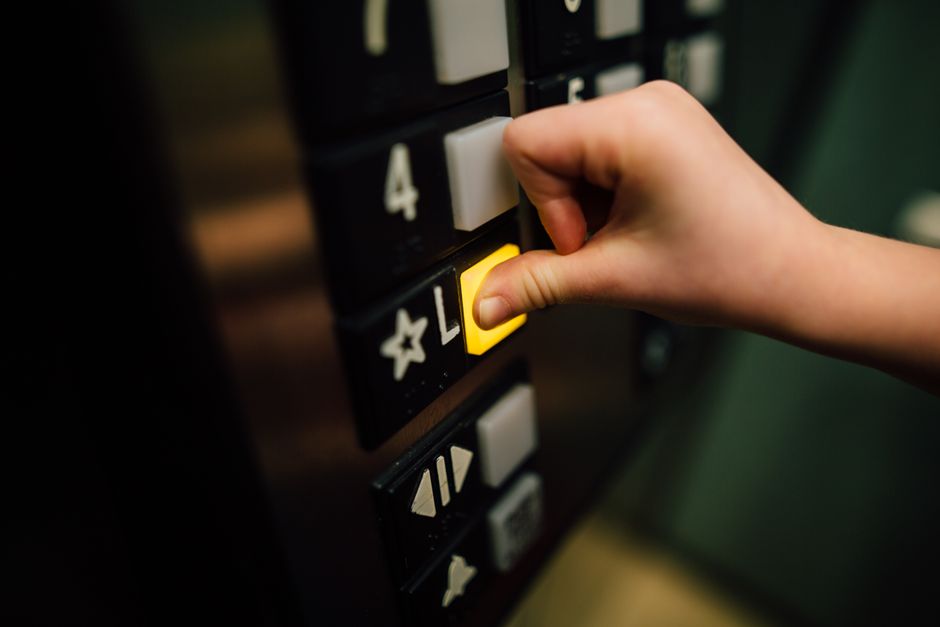
- The elevator buttons get pressed once, by the person who is going to that floor.
- Hallway running is a shoes-off behavior at home, not a shared-hallway behavior.
- Saying hi to neighbors is friendly and welcome. Yelling at them is not.
- The lobby furniture is for short waiting, not for climbing or playing.
- The elevator is shared. We make room for other people. We hold the door if someone is coming.
- If we get loud, we apologize to the person we were loud near.
These are not rules forever. They are rules in shared spaces. Inside the apartment, voices can be louder and movement freer. Outside the unit, the building’s shared spaces have a different temperament.
How to teach without nagging
The instinct, when a child does something loud in the lobby, is to apologize loudly to the surrounding adults and then loudly correct the child. Both moves often make the situation worse. The adult corrections become their own form of public disturbance.
The better pattern is quieter. Crouch to the child’s level. Speak softly. Remind them of the indoor voice rule. Give them a brief explanation if they ask. Move on. The other adults in the lobby notice the quiet correction. They are usually more reassured by the parent’s engagement than they would be by a louder display of discipline.
For repeated reminders over weeks, develop a small phrase the child knows. “Lobby voice.” “Hallway feet.” “Elevator manners.” A short phrase carries less weight than a full sentence and lets the child self-correct without feeling lectured.
The single most-loved feature of the elevator for any small child is the button. Let them press one button, the one for your floor. This satisfies the urge while teaching the rule. Multiple buttons pressed at once is what frustrates other residents. One button, theirs, pressed by them, is fine.
The other adults in the building
Other adults in the building have a range of feelings about children. Some love them. Some are indifferent. Some are quietly tired of them. Most fall somewhere in the middle. The parents who help bridge this range are the ones whose children learn to greet adults briefly and then move on.
A child who says hi, smiles, and continues toward the elevator is much more welcome than a child who tries to engage every adult in a longer conversation or who hangs back silently and stares. The short interaction respects the adult’s pace.
For adults who seem cold to children, the right response from the parent is to model warmth without demanding it back. A warm “Good morning” from the parent, and a brief one from the child, is the pattern. The cold adult sometimes warms up over months. Sometimes they do not. Either way, you have done your part.
The lobby waiting game
Sometimes children have to wait in the lobby. A delayed elevator. A package that has not been brought up yet. Waiting for a partner or older sibling. The waiting is the hardest part of lobby behavior for most kids.
Plan for it. Bring a small distraction (a book, a quiet toy, a snack that does not crumble). Keep your child near you, not running around. Avoid the lobby as a deliberate playspace unless the building specifically has a children’s area.
If the wait gets long and the child is starting to crack, exit the lobby. Walk back to your unit. Try again later. A meltdown in a public space is harder to recover from than an avoided one.
The elevator considerations
The elevator is a small enclosed space where any noise or movement is amplified. Quiet voices. Avoid running in place. Stand near the parent. The ride is short. The behavior bar is reasonable to meet for that short window.
If the elevator is full when it arrives at your floor, wait for the next one. Squeezing a stroller and three children into an already-full elevator creates a tense ride for everyone. Most residents will hold the door for a stroller if there is room. If there is not, the next elevator is rarely more than two minutes away.
For longer waits with a small child, leave the elevator and take the stairs if available. Or wait off to one side of the elevator bank rather than crowding in front of the doors.
Holding doors and small courtesies
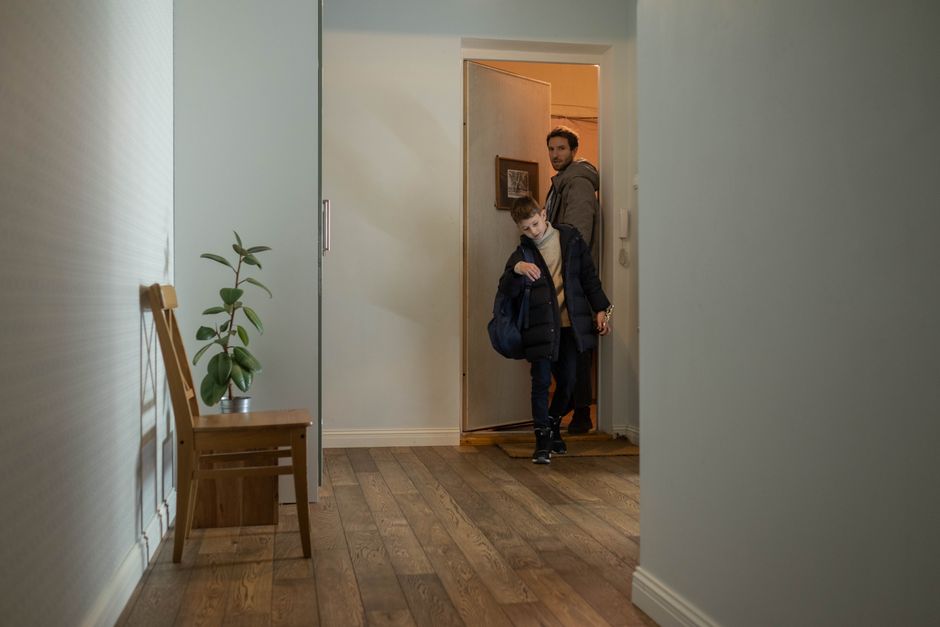
Teach the small building courtesies early. Holding the elevator door for someone walking up. Holding the building entry door for the next person (when it is a neighbor you recognize). Saying thank you when someone holds a door for you.
These are easy to teach and they create immediate goodwill. The other adults notice the polite child. The child internalizes the patterns. Within a few years, the courtesies are automatic.
The dog and cat questions
Many apartment buildings have a lot of dogs. Some children love dogs. Some are afraid. A few rules help:
- Always ask the owner before approaching or petting a dog. “Can I pet your dog?” is the right question.
- If the owner says no, accept it without protest. Some dogs are anxious or unsafe with strangers.
- Move calmly around dogs in narrow spaces. Sudden movement can startle them.
- In an elevator with a dog, stand near the parent, not near the dog.
These rules apply equally to children of any age. Building dogs are part of the community but they are not public-touch animals. The same respect we ask of strangers approaching our children applies to children approaching strangers’ dogs. Reference: the AVMA’s guidance on dog bite prevention for children.
The other parents
Other parents in the building are often allies. The shared experience of raising kids in an apartment creates an immediate point of connection. A friendly greeting, a small conversation in the lobby, a shared note about which families have kids the same age. These conversations build the kind of network that helps both children and parents.
Children also benefit from seeing other children in the building. The lobby becomes a small social space when two families happen to be there at the same time. Brief, supervised interactions in shared spaces are part of how children learn community norms.
How early habits shape family life in the building
A child who learns early that shared spaces have shared norms becomes an adult who navigates buildings comfortably. The behaviors that adult residents value (quiet voices, awareness of others, small courtesies) are not adult-only behaviors. They are the same behaviors children are capable of with a few clear conversations.
The parents who hold this line consistently find that their children adjust quickly. The lobby becomes a familiar quiet space. The elevator becomes a brief shared ride. The hallway becomes a short walk to the door. The building, instead of being a daily battleground, becomes the place where the family lives gracefully.
The other residents notice. Many of them, even the ones who seemed cold at first, start to greet the children warmly. The reputation of the family in the building grows. The children gain a sense of being known and welcome. The whole pattern compounds quietly over years.
This is the version of apartment family life that works for everyone. Not silence. Not perfection. The small, repeatable habits that respect the shared nature of the building while letting children be children. Five conversations early on. Hundreds of small reminders over months. A building that gradually becomes home for the whole family.
Frequently asked
What age can children handle shared-space rules?
Even very young children (two and three) can learn "lobby voice" and basic patterns with consistent reminders. The internalization is gradual. By five or six, most children handle shared spaces independently.
How do I handle a tantrum in the lobby?
Quickly remove the child. Either back to your unit or outside the building. Trying to discipline through a tantrum in the lobby rarely works and creates a longer disturbance.
What if other adults are openly hostile to my children?
Model warmth without confrontation. Move past the hostile adult kindly. Do not engage in argument in front of the child. If the hostility is severe, mention it to building management.
Can children play in the building hallways?
Generally no, even in family-friendly buildings. Hallways are passage spaces, not play spaces. Find an outdoor playground, courtyard, or designated children's area instead.
Related guides
 Community Safety
The Front Door Habit: Locking Patterns That Quietly Make You Safer
A few small habits at the front door account for most of the security difference between a secure apartment and…
 Community Safety
A Water Leak From the Unit Above: What to Do in the First Hour
A leak from the unit above rarely announces itself politely. You notice a stain spreading across the ceiling, a drip…
 Community Safety
What to Do When a Stranger Tailgates Through the Door
A stranger walking in behind you is the most common building security failure. A calm, repeatable approach that keeps your…