Saying Hello in the Hallway: A Surprisingly Hard Skill
The two-second hallway hello looks easy until you have to do it ten times a week. It is a real skill, and it shapes the feeling of a whole building.


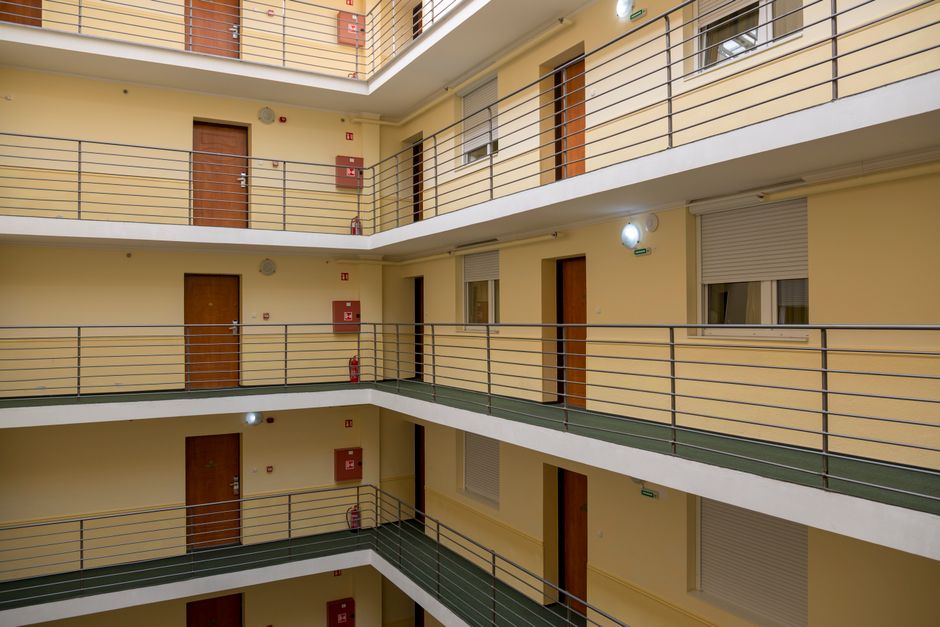
Leaving your apartment can come with a small mental calculation. Is someone going to be in the hallway? Will you make eye contact? Will you have to say hi? Will they say hi? Will it be too loud, too brief, too eager? Rehearsing sentences, stalling at the door, checking the peephole: the project of stepping into a corridor where another adult lives can feel unreasonably stressful, and the reason is not always obvious.
If you have ever had the same experience, you are not alone. The hallway hello is one of the smallest social skills in shared living, and one of the hardest to make feel natural. Once you have it, the building feels different. Once you have skipped it for long enough, it can feel almost impossible to start. There is a real path forward, and it is shorter than people expect.
The first thing nobody tells you
The hallway hello is shorter than you think. It is not a conversation. It is a one-syllable acknowledgement, possibly accompanied by a nod and brief eye contact. “Hi.” “Hey.” “Morning.” That is it. The whole exchange lasts under a second.
Most of the awkwardness people feel about hallway hellos comes from misjudging the expected length. The neighbor is not waiting for you to ask how their week is going. They are not waiting for a quick remark about the weather. They are simply waiting for you to acknowledge that they exist, in a building you share. The acknowledgement is the entire interaction.
Once you understand this, the dread disappears. You no longer need a sentence. You need a syllable. The hardest part is finding it during the half second that you walk past each other.
Eye contact, but only briefly
The hello works best with a brief, soft eye contact. Just enough for the neighbor to register that you are looking at them. Too little contact reads as cold or distracted. Too much contact reads as intense, especially in a narrow hallway. The right amount is roughly the length of the syllable itself.
Practice with a slow blink. Look up. Make contact. Say the syllable. Look slightly past them as you continue walking. The whole motion is contained in two or three steps.
If you are someone who feels uncomfortable with eye contact in general, you can still do the hallway hello. A nod plus the syllable works almost as well. Your neighbor will read it as friendly and will not realize you avoided their eyes.
If you forget to say hello and the neighbor passes you in silence, you can recover with a small wave from behind. They will turn slightly, acknowledge, and both of you will laugh quietly to yourselves. The recovery is a feature of the system, not a failure.
The double encounter problem
Sometimes you pass the same neighbor twice in fifteen minutes. You both said hi in the lobby. Now you are running into them again in the hallway. The second encounter is usually where the dance gets awkward. People often feel that the first hello already covered the day, so the second meeting becomes silent and slightly uncomfortable.
The fix is a small variation on the second encounter. A smile, a quiet “Again?”, a small laugh. You do not need a new full hello. You need a tiny acknowledgement that you have just seen each other a second time. The exchange becomes warmer, not colder, because you have shown that you remember the first encounter.
Headphones, phones, and the modern hallway
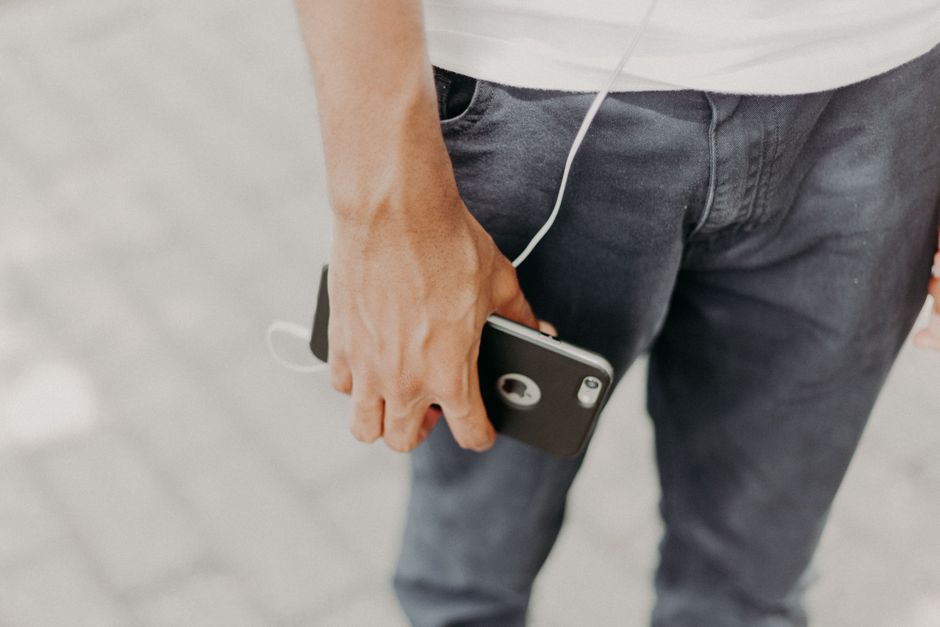
The modern hallway has a new variable. Many residents wear headphones or look at their phones while walking through it. From a neighbor’s view, this can read as deliberate avoidance, even when it is not. The neighbor cannot tell whether you are working through a hard email or simply unwilling to say hello.
The simple habit is to pause one earbud, or glance up from the phone, when you sense someone approaching. The motion is small. It signals availability. The hello then happens naturally. You can return to your headphones or your phone the moment the encounter ends.
If your hallway is busy enough that this would become exhausting, choose the people you make the gesture for. The neighbors you actually share walls with, the building staff, the elderly resident you have started recognizing. The handful of acknowledged people is enough to keep the building feeling like a community.
When the hello does not feel mutual
Some neighbors do not respond. They might be shy. They might be working through something. They might come from a culture where strangers do not greet each other in hallways. Their silence is not a verdict on you. Keep offering the hello for a few weeks. If they still do not respond, soften your hello to a nod. Most neighbors who do not say hello back will eventually offer a small nod once they know you are not going to push them.
Almost no neighbor is offended by being greeted. They may be quiet, they may be tired, they may be in a hurry. They are rarely upset that you said hi. The risk of offering a hello is much smaller than the cost of skipping it.
The seasonal hello
Hello-types shift slightly through the year. In winter, a “Good morning, cold one out there” works because the weather is a shared experience. In summer, “Hey, beautiful day” carries. Around holidays, a quick “Have a good weekend” or “Hope your holiday is going well” lands easily. None of these need to extend into a real conversation. They are small temperature markers that show you noticed the season.
This kind of small contextual hello also lays the groundwork for future, longer conversations. The neighbor who has heard you say “have a good weekend” a few Fridays in a row will be ready to chat about a real topic eventually, if there is a reason. The repeated small contact is the foundation for the slightly bigger contact later.
A short checklist for your next hallway hello
- Notice the neighbor two or three steps before you actually meet, so the timing is not a surprise.
- Slow your pace very slightly and glance up from your phone or lift one earbud as a signal of availability.
- Make brief, soft eye contact for roughly the length of the syllable you are about to say.
- Say one word only: hi, hey, morning, or evening, depending on the hour.
- Add a small nod if eye contact feels like too much, since a nod plus the syllable reads as equally friendly.
- Keep walking without breaking stride once the syllable is out, so the exchange stays under a second.
- If you forget in the moment, offer a small wave from behind to recover without turning it into a longer stop.
- On a second encounter within the same hour, swap the full hello for a smile and a quiet acknowledgement that you have just seen each other.
The benefit you only notice gradually
Six months into practicing the hallway hello, something quiet shifts. The building feels less like a series of doors and more like a place where people live. You start recognizing your neighbors by name. They start recognizing yours. When something small goes wrong (a package theft, a power outage, a question about parking), you have small open relationships to reach into. The hello did almost all of that work, two syllables at a time.
The hello is also good for your own well-being. Every brief acknowledgement is a tiny moment of social contact that your nervous system registers. A day with five hallway hellos is a fundamentally different day from a day with none. The building, the corridor, the elevator all start to feel like extensions of your living space, instead of zones to traverse. The hello, small as it is, is the building habit most worth practicing.
Frequently asked
Should I always say hello, even when I am clearly busy?
A short hello costs you almost nothing even when you are busy. If you genuinely cannot stop for the half second, a nod or a small wave is enough. Saying nothing is the option that reads coldest over time.
How do I start saying hello to a neighbor I have not greeted in months?
Start with a small nod. Once or twice. Then add a quiet "hi" once the nod feels natural. Avoid trying to skip from silence directly to a longer conversation. The neighbor will read the small steps and respond in kind.
What if my neighbor always tries to start a longer conversation?
Use a friendly pivot. "Hey, good to see you, have to run to a call." A short, warm pivot ends the conversation kindly. The neighbor will adjust over time once they see your pattern.
Does this work for buildings where nobody greets anyone?
Yes, slowly. Even in formal buildings, a few months of small consistent hellos shifts the temperature noticeably. You will not change the whole culture, but you will create a small warm zone around your floor.
Related guides
 Neighbor Etiquette
The First-Week Wave: How to Introduce Yourself to New Neighbors Without Making It Awkward
Meeting new neighbors during the first week sounds simple until you are standing in the hallway with a casserole, second…
 Neighbor Etiquette
How to Apologize to a Neighbor (and Why It Works)
A good apology to a neighbor is one of the most underused tools in shared living. The structure is simple…
 Neighbor Etiquette
Holiday Decorations and the Polite Range
Holiday decorations are joyful in moderation and contentious in excess. A grounded look at what makes a display feel warm…