Cameras at Home, Without Making the Neighbors Uncomfortable
Cameras are powerful tools that can make your home safer or make your neighbors feel watched. The line between the two is mostly about placement and disclosure.

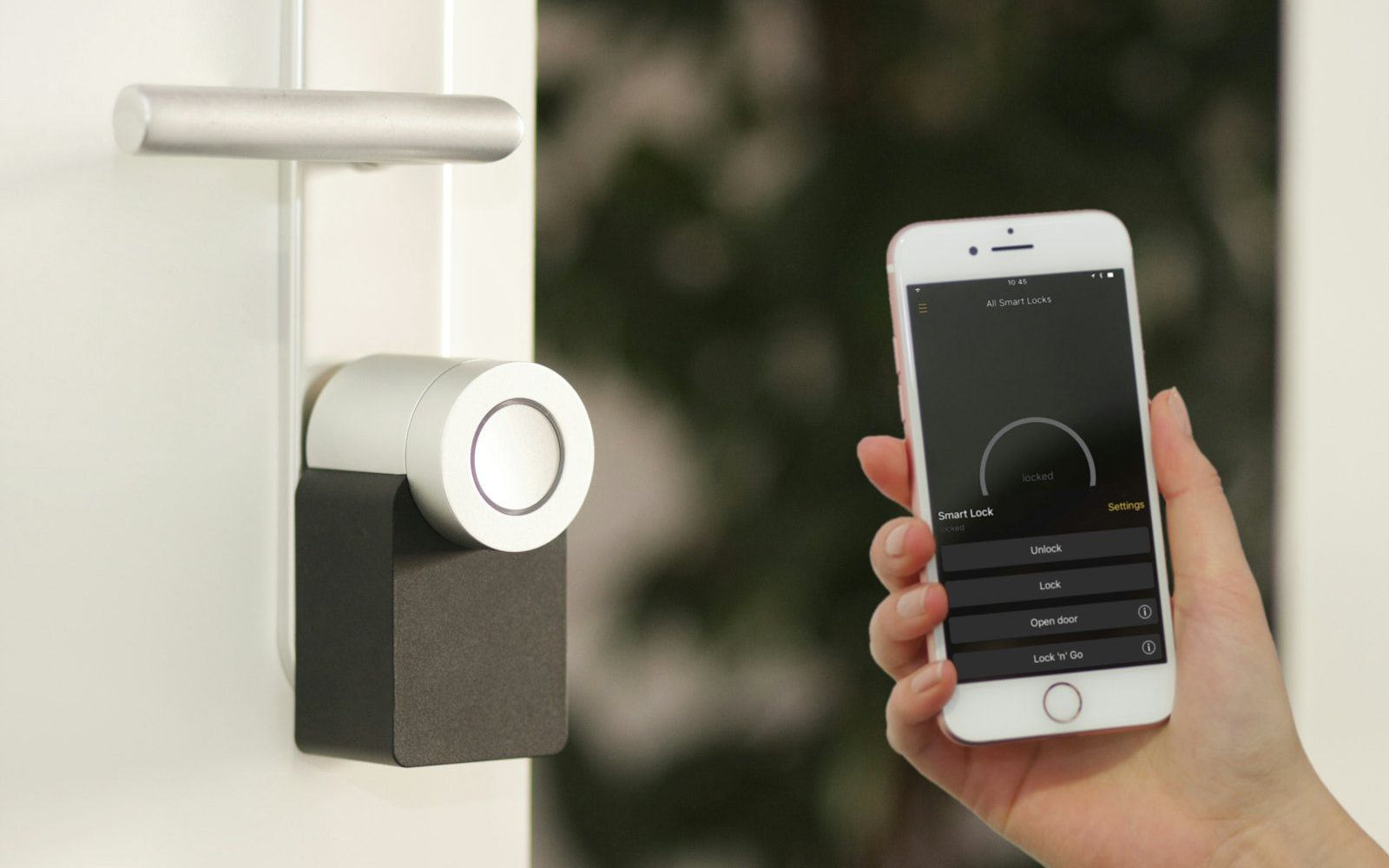
The first time a neighbor mentioned to me that he had a doorbell camera, he did so apologetically. He had installed it after a couple of package thefts. He wanted me to know that his camera had a partial view of my front door, that he was not actively monitoring it, and that he had set the motion zones to focus on his own entry. He told me unprompted because he understood, correctly, that an unmentioned camera in a shared hallway can quietly erode trust between neighbors. The conversation took two minutes. We have been friendly for years.
Cameras in shared spaces are one of the trickier areas of apartment living. They are useful for security. They can also make the building feel like a surveillance zone, especially for residents who never agreed to be on someone else’s footage. The line between helpful and intrusive is mostly about placement, disclosure, and the quiet small habits of how you handle the footage.
What cameras actually do for security
Be honest about what a camera does. It records what happens. It rarely prevents what happens. A determined intruder is not deterred by a camera, especially one in a public area where they are unlikely to be identified later.
What cameras provide is evidence after the fact, which is useful for police reports, insurance claims, and occasionally identifying patterns of theft or break-ins. They also provide some peace of mind for the camera owner, even when the actual security benefit is modest.
Understand this realistic effect before installing. A camera will not stop theft. It may help with the response if theft happens. That is the actual value proposition.
Building rules first
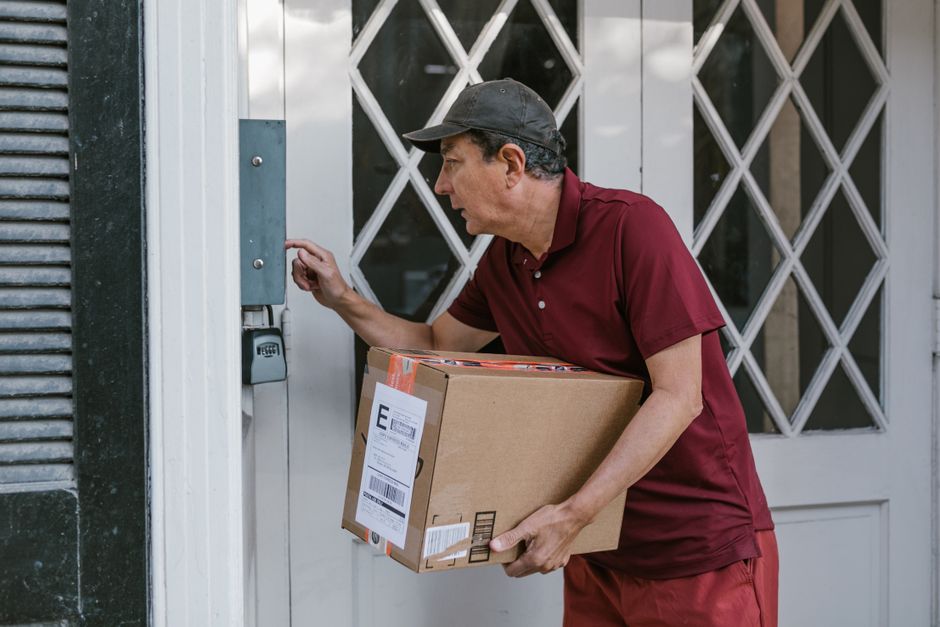
Before you install anything, read your lease and your building’s policies. Many buildings have rules about cameras in shared areas. Some prohibit them outright. Some require permits or pre-installation approval. Some allow them in specific configurations only.
Common building rules include:
- No cameras facing into hallways or shared common areas beyond your own door.
- No cameras with audio recording (which has stricter legal requirements in many places).
- No cameras facing into the lobby, mailroom, or other common spaces.
- Disclosure requirements (informing the building or other residents).
- Restrictions on what kind of mounting hardware can be used.
Installing without checking can result in lease violations, removal demands, and lasting damage to relationships with neighbors and management. The five-minute check before installation prevents larger problems later.
The angle question
The most common complaint about home cameras in shared buildings is that they cover too much. A doorbell camera mounted on an apartment door has a wide field of view that often includes the door of the unit across the hall, parts of the hallway, and sometimes the floor below or above depending on the building layout.
This wide view is a feature for security but a problem for neighbors. The person across the hall is being recorded every time they enter or leave their apartment. Their visitors are being recorded. Their packages and deliveries are being recorded. None of this requires their consent in most jurisdictions, but it creates a real trust issue.
The fix is to narrow the field of view and the motion zones. Most cameras allow you to set “active zones” where motion triggers recording. Limit these to the area directly in front of your own door. Disable recording or notifications for activity outside that zone. This significantly reduces the camera’s impact on neighbors while preserving its usefulness for your own door.
If your camera has any view of a neighbor’s door or path, mention it once. A short conversation when you install the camera, or when you meet a new neighbor, goes a long way. Say what the camera covers, that it is not aimed at their side, that you do not review the footage unless something happens to your own unit, and that they can raise concerns with you directly. That disclosure prevents most of the trust damage that cameras can cause.
The footage handling part
What you do with the footage matters as much as the camera placement. Best practices include:
- Do not share footage of neighbors on social media or building chats without their consent.
- Do not review footage routinely. Look at it only when there is a specific reason (a missing package, an alarm trigger, a suspicious incident).
- Delete or rotate footage regularly. Most cameras have an automatic rotation that overwrites older video. Use the shortest retention period that meets your needs.
- If you share footage with police, do so directly and only the specific incident. Do not share weeks of footage that includes unrelated activity.
- If a neighbor asks about the footage, be transparent about what your camera captures and how you store it.
The camera that records but is rarely viewed is the camera that respects the building. The camera owner who treats their footage as a casual entertainment source quickly becomes a problem.
Audio is its own category
Most cameras can record audio. Audio recording in shared spaces is legally trickier than video. Many jurisdictions require two-party consent for audio recording, which means recording a conversation between two parties without their knowledge can be a legal issue. Reference: Nolo’s legal encyclopedia covers the state-by-state rules on recording-consent laws.
The safest default is to disable audio recording on cameras in shared areas. If your camera does record audio, post a small visible notice (“Audio and video recording in this area”) that puts visitors on notice. The notice may not satisfy every legal requirement in every jurisdiction, but it signals good faith and meets common standards.
For cameras inside your own unit, audio recording is more permissible because you are recording your own space. Still, be thoughtful about recording visitors without their explicit knowledge.
The interior camera question
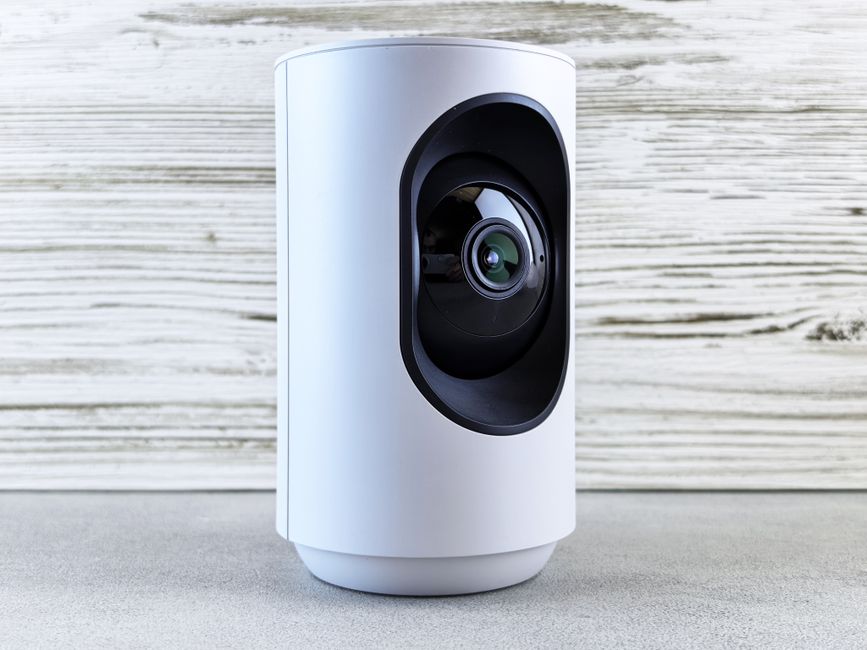
Cameras inside your unit are common for pet monitoring, package delivery monitoring (catching the delivery and the immediate aftermath), and general security. These have fewer neighbor implications but raise their own issues.
Interior cameras should never face directly into bedrooms or bathrooms. They should be positioned to capture entry points and main living areas only. If you have guests staying over, disclose the camera and consider turning it off during their stay, especially if it captures common spaces where they would be visible.
For renters, interior cameras should not be permanently mounted in ways that damage walls or fixtures. Plug-and-place cameras (sitting on a shelf) are usually fine. Hard-mounted cameras may require landlord permission.
The building-installed camera question
Many buildings have their own security cameras in common areas. These are usually managed by the building and accessible to building staff or security companies. They are not generally available to residents, but residents can request footage for specific incidents (a package theft, an entry incident) by going through management.
If your building has cameras, you may not need your own. The building’s system covers the lobby, the parking area, and sometimes the hallways. Your need for additional cameras drops significantly when the building’s coverage is good.
If your building has no cameras and you are concerned, raising it with management is a reasonable request. Building-wide cameras handle the security concern without creating the resident-versus-resident tension that personal cameras sometimes do.
The polite alternative
For some residents, the camera question is not worth the complexity. The alternative is to rely on the building’s security, your neighbors, and your own habits. This is not a worse approach. Many long-term residents in safe buildings do not have personal cameras at all and have never needed them.
The decision is yours. If you do install a camera, do it thoughtfully. Narrow the view. Disclose to affected neighbors. Limit your access to the footage. Treat the camera as a tool for occasional use rather than a constant surveillance system. The buildings where cameras work are the ones where they are quiet, narrow, and used sparingly. The buildings where cameras cause problems are the ones where they are wide, undisclosed, and constantly reviewed.
How camera owners set the tone for a building
Cameras are becoming more common in apartments. The norms around them are still developing. The residents who handle their cameras with care set the tone for the entire building. The residents who use them aggressively or thoughtlessly set the opposite tone. Both have effects that extend beyond their own unit. The choice to be a thoughtful camera owner is one of the small ways you contribute to whether your building feels like a community or like a surveillance zone. The cost of doing it well is small. The benefit, both for you and for everyone around you, is real.
Frequently asked
Can my landlord prohibit me from installing a doorbell camera?
Yes, in most jurisdictions. The hallway and the exterior of your door are usually considered building property, where the landlord has authority. Check your lease and ask before installing.
Should I tell my neighbors I have a camera?
For any camera with a view that includes their door or path, yes. For cameras entirely focused on your own unit, optional. The disclosure conversation builds trust even when not strictly required.
How long should I keep camera footage?
The shortest period that meets your needs. For most residents, seven days is plenty. Longer retention raises more privacy concerns without significant security benefit.
Can I share camera footage of a suspected thief on social media?
Generally no, especially without strong evidence. Public accusations have real consequences for the wrong person. Share with police, building management, and trusted neighbors. Avoid public broadcasts.
Related guides
 Community Safety
A Water Leak From the Unit Above: What to Do in the First Hour
A leak from the unit above rarely announces itself politely. You notice a stain spreading across the ceiling, a drip…
 Community Safety
The Polite Way to Suggest a Building Safety Improvement
Suggesting a safety improvement to building management is a small skill. A grounded guide that gets results without burning relationships.
 Community Safety
Giving Someone a Spare Key Safely: Neighbors, Cleaners, and Dog Walkers
At some point most renters need to hand a key to someone else. A neighbor who can let the plumber…