The Repair Email That Actually Gets Answered
A short, specific, calm repair email gets much faster response than a long, frustrated one. The structure is simple and worth learning.

Repair emails are a small skill that produces outsized results in apartment life. Most tenants write them in a way that makes management less responsive. A few small structural changes get faster, better responses. Here is the pattern that works.
The structure that works
The structure that consistently gets fast response has four parts:
- The subject line names the issue specifically.
- The opening sentence identifies the location and the problem.
- The body provides relevant details (when it started, what you have noticed, any pattern).
- The closing makes a specific request with availability information.
The whole email fits in three to five sentences. Anything longer dilutes the request and signals frustration rather than information.
Example: the well-written version
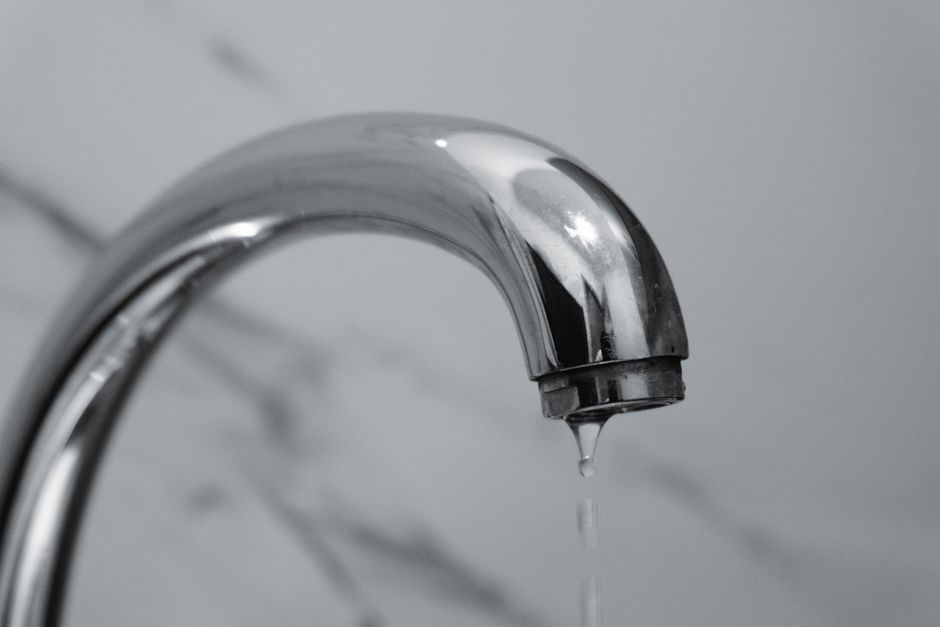
Subject: Kitchen sink leak under cabinet, Unit 4B
Body: “Hi, the kitchen sink in unit 4B has a slow drip under the cabinet. It started about a week ago and the pan underneath fills with about a cup of water per day. I am home weekday mornings and most evenings. Could a technician take a look this week? Thanks.”
This email tells the property manager exactly what the issue is, where it is, when it started, how serious it is, and when access is available. The technician arrives with the right tools. The repair happens fast.
Example: the version that does not work
Subject: Need help
Body: “Hello, I have been having issues with my kitchen and I really need someone to take a look. The sink has been doing this thing for a while and I have already mentioned it once but nothing has happened. It is getting worse and I do not know what to do. Could someone please come fix it as soon as possible? This is really frustrating because last time I had a problem it also took forever to get fixed.”
This email is twice as long, provides no specific information, has a frustrated tone, and gives no access window. The response will be slow and generic.
Property managers triage by subject line. “Need help” or “Issue” or “Quick question” all get deprioritized. “Kitchen sink leak under cabinet, Unit 4B” gets attention because the issue is clear from the subject alone.
The specificity rules
Be specific in every dimension:
- Location: “Kitchen sink” not “in the kitchen.” “Bedroom window, north wall” not “a window.”
- Symptom: “Slow drip” not “leak.” “Will not turn on” not “broken.” “Loose hinge that no longer closes the door” not “broken cabinet.”
- Duration: “Started about a week ago” not “for a while.” “Has been doing this since Saturday” not “recently.”
- Severity: “About a cup of water per day” not “a lot.” “Cannot use the oven” not “the oven is not working right.”
- Pattern: “Worse in the morning” or “happens when the heat turns on” if relevant.
Each specific detail helps the technician arrive with the right tools and the right diagnosis. The repair completes in one visit instead of three.
The availability information
Include when you are available for the technician to enter. Without this, the property manager has to ask, which adds a back-and-forth that delays the repair.
Suggested wording: “I am home weekday mornings before 9 and most evenings after 6. Weekends are flexible.” This gives the manager multiple options to schedule.
If you have specific restrictions (an early Tuesday meeting, a Wednesday work-from-home day where you cannot be interrupted), mention them: “Avoiding Tuesday before 11 because of a meeting.”
If you cannot be home and the building allows entry without you, say so. Suggested wording: “Happy to allow entry while I am out if needed.”
The tone calibration
The tone should be calm and neutral. Avoid:
- “I have already mentioned this” (sounds accusatory)
- “This is really frustrating” (sounds emotional)
- “I expect this to be fixed by…” (sounds demanding)
- “This is unacceptable” (sounds confrontational)
- Multiple exclamation points or all caps (sounds unprofessional)
Instead use:
- “Could a technician take a look…” (sounds collaborative)
- “Wanted to flag this…” (sounds informational)
- “Let me know when works…” (sounds flexible)
- “Thanks for taking a look…” (sounds appreciative)
The calm tone gets faster response. The emotional tone gets exactly what was asked for, on the slowest acceptable schedule.
The follow-up cadence
If you do not hear back within a few days, a short follow-up is reasonable:
“Following up on my note from Monday about the kitchen sink leak. Any update?”
That is enough. Same calm tone. Reference the original by date. Ask the simple question.
If still no response, a third message in another few days:
“Checking in on the sink leak. It has now been [time] since I first reported it. Could you let me know when this can be scheduled?”
Still calm. Still specific. Still reasonable. Most issues are resolved by this point.
The escalation, when appropriate
If the issue is genuinely urgent (no heat in winter, no hot water, active leak, pest infestation) and the standard response is not happening, the escalation is different.
For urgent issues, use the building’s emergency channel (often a 24-hour line). Follow up with email documentation. If the urgent channel does not respond, contact the property manager’s supervisor or the property management company directly.
For chronic non-urgent issues that are not getting addressed, escalation to the property owner or property management company is appropriate after multiple unanswered requests.
In serious cases of habitability issues that go unaddressed, your jurisdiction may have tenant rights options (withholding rent in escrow, repair-and-deduct, formal complaints to housing authorities). These are last-resort options that should be researched carefully and used only when the standard channels have failed. Reference: HUD’s tenant rights portal.
The thank-you after
When the repair is completed, send a brief thank-you. “Thanks for the quick response on the sink. All fixed.”
This costs nothing. It builds significant goodwill with the property manager and the maintenance team. Your next request gets prioritized because they remember you as the resident who appreciates their work.
How repair emails shape the relationship over time
The repair email is one of the most common forms of tenant-landlord interaction. The way you write them shapes the relationship over time. The renter who consistently writes clear, calm, specific emails becomes a low-friction tenant whose requests get fast response. The renter who writes frustrated, vague, demanding emails becomes a high-friction tenant whose requests get the minimum required response.
The choice is small. Three to five sentences. Specific information. Calm tone. Availability mentioned. Follow up if needed. Thank you when done.
The cost of writing well is nothing. The benefit is faster repairs, better outcomes, and a relationship with management that serves you across the years of your tenancy. The next time you need to report something, take the extra minute to write the email well. The repair will happen faster and your day will go better as a result.
Frequently asked
Should I always use email or can I call?
Email creates a written record, which is valuable. For urgent issues, call first to get fast response, then send a follow-up email confirming what was discussed.
How urgent is "urgent" for maintenance?
Things like no heat in winter, no hot water, active leaks, pest infestations, and security issues (broken lock, broken window) are usually urgent. Cosmetic issues, minor inconveniences, and slow-developing problems are not.
What if the landlord just ignores my emails?
Document everything. Send follow-ups. Escalate to property owner or property management company. For serious unaddressed issues, contact local tenant rights organizations for guidance.
Should I be present during the repair?
When possible, yes, especially for first repairs in a new unit. You can show the technician the issue, ask questions, and confirm the fix. After a few repairs, allowing entry without you may be fine.
Related guides
 Rental Living
Setting Up Utilities in a New Apartment Without Overpaying
The rent is the number you negotiated. Utilities are the number that quietly decides whether the apartment is actually affordable.…
 Rental Living
Deposits, Documented Honestly
Security deposit disputes are largely a documentation problem. A grounded guide to protecting yours from move-in to move-out.
 Rental Living
Renting With Roommates Who Are Strangers, Honestly
Renting with stranger roommates is common in urban living. A grounded guide to the vetting and structure that make it…