Light, Heat, and Why Your Apartment Feels Off
When an apartment feels subtly wrong, the answer is almost always about light and heat. The fixes are smaller than people think.

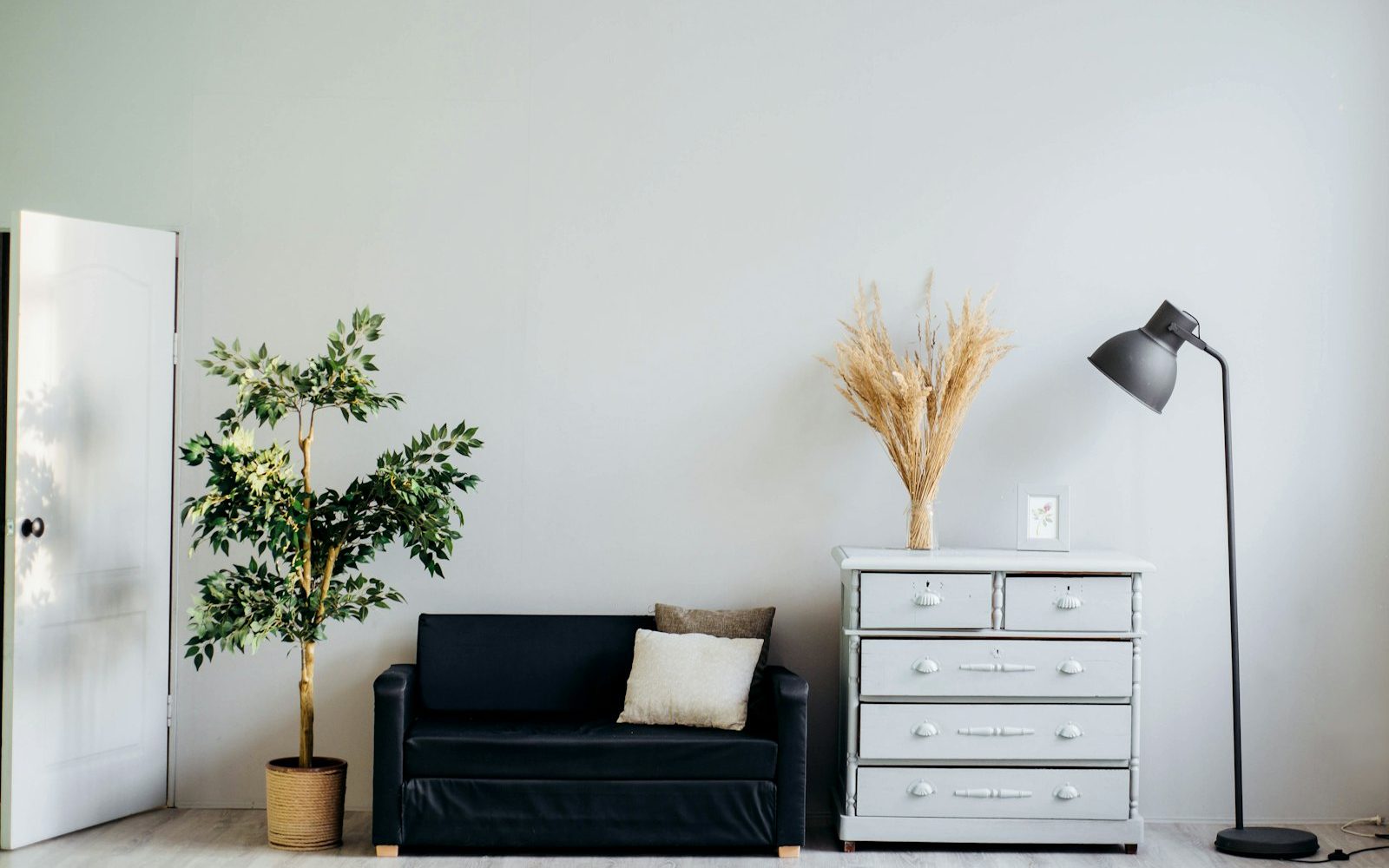
The single most underestimated source of apartment unhappiness is not space or layout. It is the quality of the light and the temperament of the heat. Both of those, fortunately, are largely controllable, even in a unit you do not own.
The light spectrum question
Most rental apartments come with light fixtures that use cool, blue-toned bulbs. These bulbs are cheap, bright, and energy-efficient. They are also, in evening hours, mildly hostile to the human nervous system. Cool light tells your body it is still daytime, which makes it harder to wind down and harder to feel that you are home.
The fix is to replace every bulb in the unit with a warm-toned one. Look for color temperatures of 2700K or below. These bulbs are sometimes labeled “soft white” or “warm white.” They cost a few dollars each. The difference is immediate. The apartment feels softer, more lived-in, more like a place to actually be in the evening.
Keep the original bulbs in a small box. At move-out, swap them back in, take the warm bulbs with you, and reuse them in your next unit. Bulbs travel well.
Lamps over overheads, almost always
Overhead lighting is the worst lighting in most apartments. It is bright, flat, and shadow-casting. A single overhead fixture in a living room can make the room feel like a waiting area no matter how nice the furniture is.
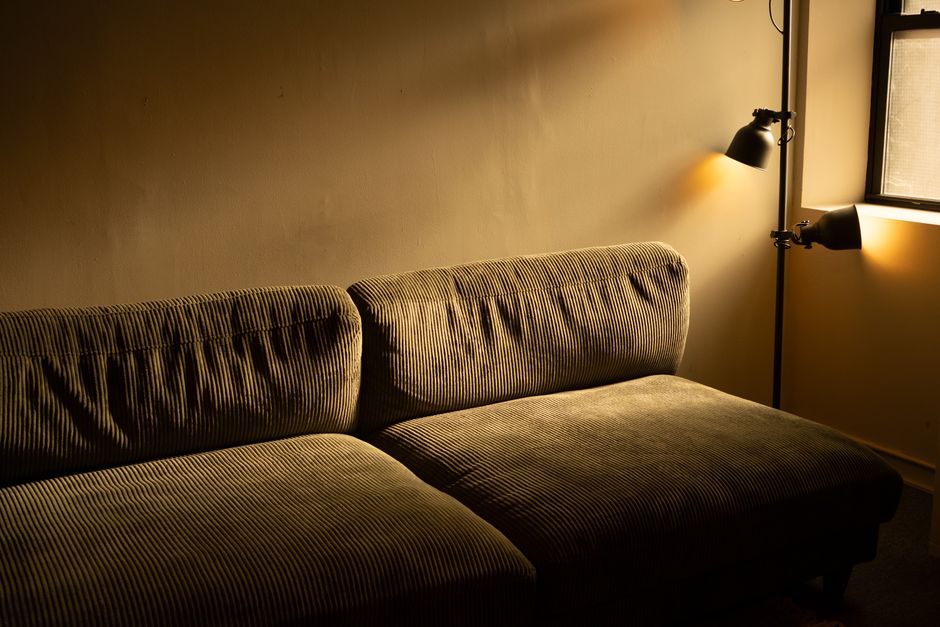
The fix is to layer in floor lamps and table lamps. Three light sources at different heights in a room change the entire feel of the space. The overhead is for utility (cleaning, finding something, reading a recipe). The lamps are for living. Most evenings, the overhead is off and the lamps are on. The room becomes warmer, calmer, and more inviting.
You do not need expensive lamps. A basic floor lamp from a hardware store with a warm bulb works perfectly. The shape matters less than the light it casts.
Every room you spend evening time in should have at least three light sources. An overhead for utility, a tall lamp, and a low lamp. Most renters have one. The room with three feels twice the size of the room with one.
The daylight question
Daylight is the single most powerful variable in how an apartment feels, and the one renters have the least control over. You picked the unit when it was light. You signed the lease in the afternoon. You are now living in it during the morning, the evening, and the entire winter.
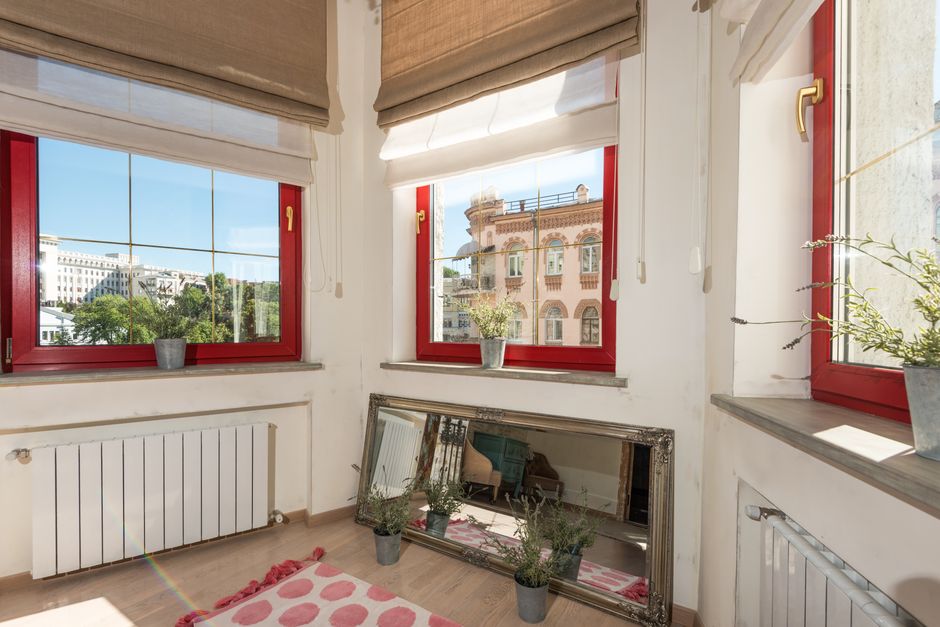
If your unit gets little natural light, there are partial fixes. Mirrors placed across from windows double the apparent light. Sheer curtains let in more light than blackout curtains while still providing privacy. Light-colored furniture and walls reflect more than dark ones. None of these replace direct sunlight, but together they make a darker unit feel meaningfully brighter.
A full-spectrum lamp on a timer is also worth considering, especially during the winter. These lamps mimic daylight and can shift mood, energy, and sleep quality. Used for thirty minutes in the morning, they offset some of what a dark apartment cannot give you.
Heat patterns matter more than temperature
Most heating disputes in apartments are not about temperature. They are about the pattern of heat. A radiator that clanks every twenty minutes feels worse than a constantly slightly-cool room. A baseboard heater that kicks on hot then turns off cold creates more discomfort than the same average temperature held steady.
If your heat cycles loudly, the first step is to figure out what kind of system you have. Forced air, hot water radiator, steam radiator, baseboard. Each has different fixes.
For forced air, replace or clean the filter. Dirty filters cause the system to work harder and louder. Most filters need to be changed every three months.
For hot water radiators, the most common problem is air trapped in the lines. Bleeding the radiator (using the small valve at the top with a key or screwdriver) releases the air and restores quiet, even heat. This is a five-minute job. Most apartments allow it. Some buildings will do it for you.
For steam radiators, the clanging is often caused by water trapped in the system. The radiator needs to be tilted very slightly toward the return pipe so water drains back. A small shim under the far leg often fixes the issue.
The thermostat war
In many apartments with shared heat, the thermostat does not actually control your unit. The building decides when the heat is on.
If your building has shared heat, accept that you cannot control it during cooler seasons. The fixes are warmer clothing, a heated throw, and (if needed) a small supplemental electric heater for the room you spend the most time in. Avoid using supplemental heaters in spaces where they can tip over, and use models with automatic shutoff sensors. Reference: the NFPA’s home heating safety tips.
In summer, the same logic reverses. Many buildings shut down central heat and require window air conditioners or do not provide AC at all. A good window unit, sized correctly for the room, plus a ceiling or tower fan, transforms summer in an older building.
Humidity is the silent variable
Most apartments have humidity that swings wildly through the year. In winter, forced-air heating dries the air dramatically. Skin cracks, throats hurt, plants suffer. In summer, especially in basement units or units with poor ventilation, humidity climbs and the apartment feels heavy and damp.
A small humidifier in winter and a small dehumidifier in summer solve most of this. Aim for 40 to 50 percent humidity, which is the comfortable middle range. A cheap hygrometer (under fifteen dollars) tells you what your current level is. Reference: the EPA’s guidance on indoor moisture and mold.
If your unit chronically feels muggy, check the bathroom and kitchen fan habits first (see the bathroom fan guide). Ventilation is the biggest lever in residential humidity.
Frequently asked questions
- What bulb color temperature is best for evening rooms? 2700K or lower reads as warm white, feels calmer at night, and works in most standard fixtures without special dimmers.
- How often should a forced-air filter be changed in a rental? Most standard one-inch pleated filters last about three months, but units with pets, smokers, or heavy dust benefit from monthly checks.
- Is bleeding a hot-water radiator something tenants can do? In most buildings yes, using the small valve at the top and a radiator key, but confirm with maintenance if the system is older or under warranty.
- Are space heaters allowed in most apartments? Many leases permit them if they carry a recognized safety mark and have tip-over plus overheat shutoff; always unplug when leaving the room or sleeping.
- What indoor humidity level should renters aim for? Between 40 and 50 percent is comfortable year round and discourages mold, static shocks, and dust mites; a fifteen-dollar hygrometer confirms the reading.
- Do full-spectrum or daylight lamps actually help in dark units? Thirty minutes of bright morning exposure can lift energy and steady sleep timing, especially through short winter days in low-light apartments.
- Why does the same thermostat setting feel colder in some rooms? Air leaks around windows, uninsulated exterior walls, and uneven duct or radiator flow all shift the felt temperature away from the number on the wall.
- Should sheer or blackout curtains be the default in a rental? Sheers preserve daylight and privacy for the main living space; reserve blackouts for bedrooms where sleep quality matters more than brightness.
The small audit
If your apartment feels off and you are not sure why, run a simple audit. Walk through each room in the evening. Note the light source, the temperature, and any background sounds. Most “off” feelings resolve to a specific cause in this audit. A cold bulb. A clanking heater. A draft. A loud refrigerator. Naming the cause is most of the fix.
Once you have the list, address the cheapest things first. Bulbs. Filters. A throw blanket. A floor lamp. Most of these cost under fifty dollars and shift the experience of the unit immediately. The bigger fixes (window AC, full-spectrum lamps, dehumidifiers) come later if needed.
Within a few weeks of a small audit and small purchases, the apartment that felt off can feel right. Not because you moved. Not because you renovated. Because you finally paid attention to the variables that were quietly running your daily comfort the whole time.
Frequently asked
What color temperature should I look for in light bulbs?
For evening rooms, 2700K or lower. For task lighting (kitchen, work desk), 3000K to 3500K can be acceptable. Avoid anything 4000K or above in living spaces.
Are light bulbs really worth changing in a rental?
Yes, and you can take them with you. Warm bulbs noticeably improve evening mood and sleep quality. They cost five to ten dollars per fixture for a multi-year improvement.
How do I find out what kind of heat my apartment has?
Look at the heating units. Cast iron with vertical fins is steam or hot-water radiator. A vent in the floor or wall with metal panels behind it is forced air. A long unit along the baseboard is electric baseboard. The lease or landlord can confirm.
Can I install a smart thermostat in a rental?
Sometimes, with permission. The original thermostat is usually kept and reinstalled at move-out. Always ask the landlord first.
Related guides
 Apartment Living
Living Above Someone: Floor Sound and the Habits That Soften It
Living above another unit means every step, drop, and chair scrape lands in someone else's living room. A grounded look…
 Apartment Living
Pest Control in a Mid-Rise Building, in Plain Language
Pest control in an apartment building is more about prevention and patience than dramatic intervention. A calm look at what…
 Apartment Living
Keeping a Small Apartment Warm in Winter Without a Huge Bill
A small apartment has one real advantage in winter: there is less air to heat. The trouble is that most…