Living Above Someone: Floor Sound and the Habits That Soften It
The floor under your feet is the ceiling above someone else. A few small habits make an enormous difference to the unit below.

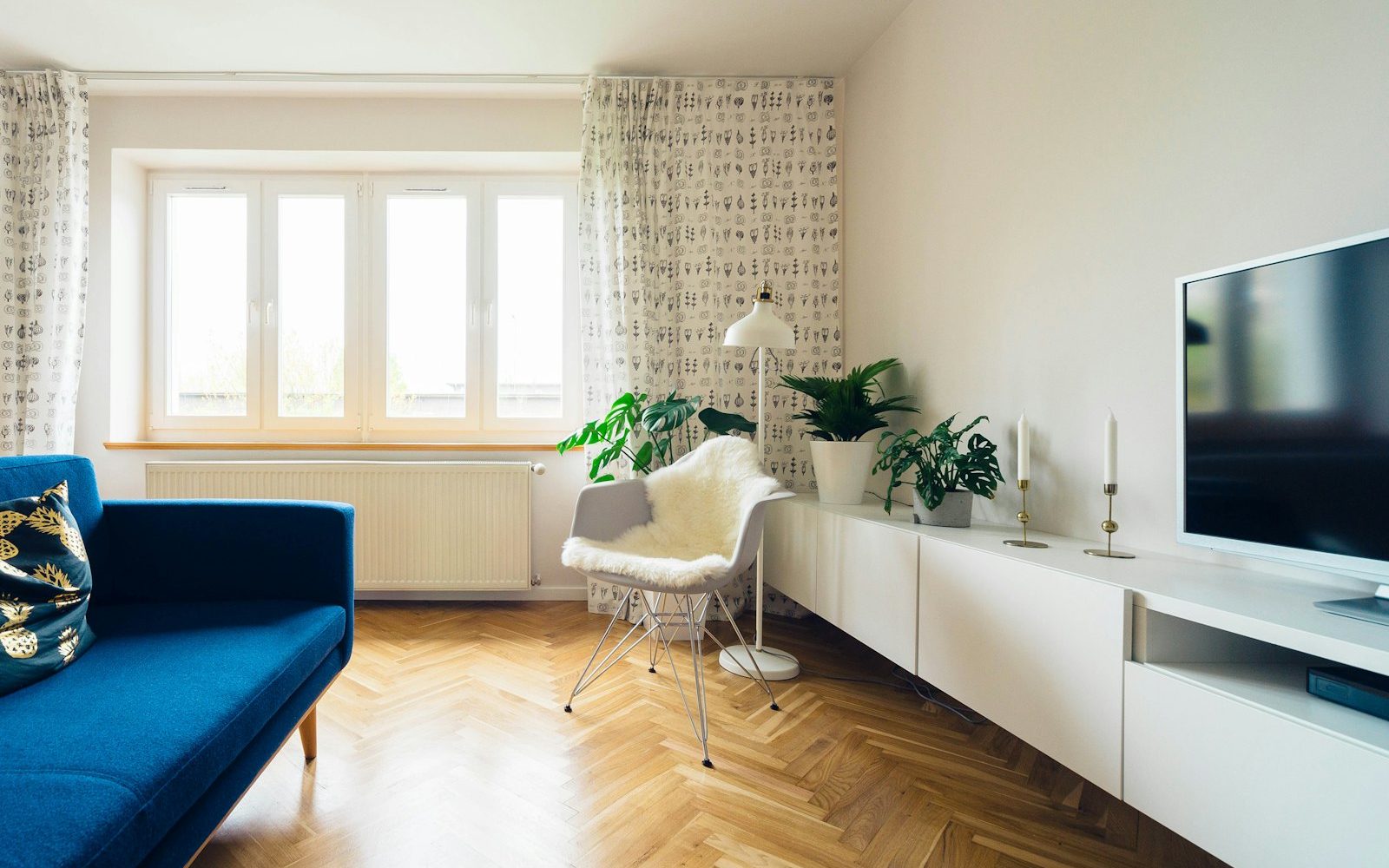
Floor sound is one of the most overlooked aspects of apartment living. Most upstairs residents do not believe how much travels because they cannot hear themselves. Most downstairs residents are too polite to mention how much they hear. The result is a quiet imbalance that occasionally turns into a conflict that surprises both sides. There is a working middle, and it is mostly mechanical.
What actually travels through a floor
Two kinds of sound travel through floors. Impact noise and airborne noise. Impact is the louder, more annoying one. It includes footsteps, dropped items, dragged chairs, jumping, vacuuming, and exercise equipment. Impact noise travels almost without losing energy because the floor itself is the vibration source. Reference: the EPA’s overview of noise-pollution policy.
Airborne noise (voices, TV, music) travels less than people assume, especially through modern floors with carpet padding underneath. Most upstairs sound disputes are actually about impact, not voices. Identifying which one is causing the issue helps you fix the right thing.
The habits that quietly reduce impact noise
A few small habits reduce a surprising amount of impact noise without requiring any renovations:
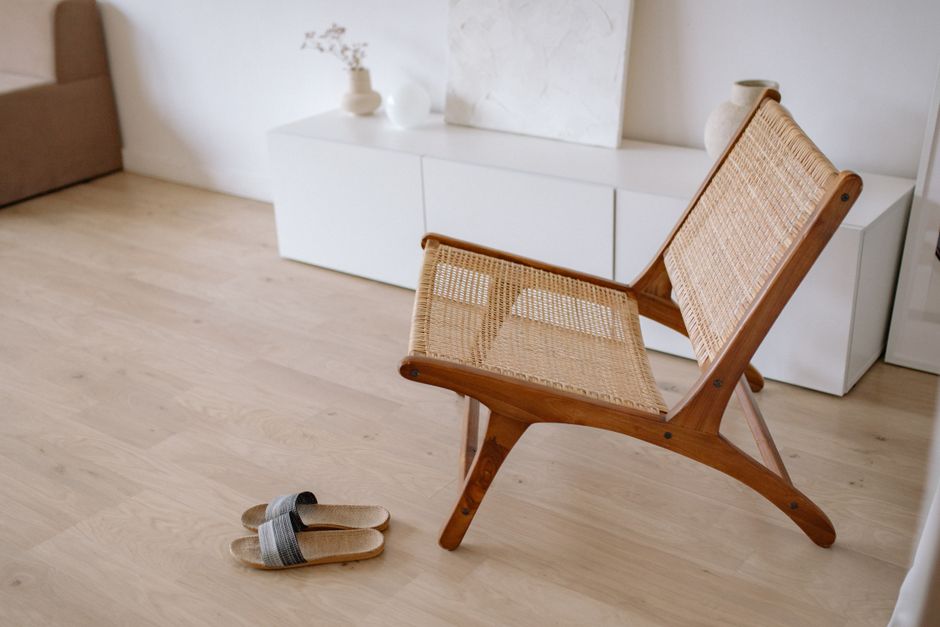
- Wear soft footwear inside. Slippers, socks with grip, indoor shoes with soft soles. Hard heels and bare feet on hardwood are the loudest combinations.
- Walk with intent, not on your toes. Trying to walk softly often produces sharper impacts than walking normally. A natural, slightly heel-to-toe step is quieter than a slow, deliberate one.
- Use rugs in high-traffic zones. The hallway between bedroom and bathroom, the kitchen work triangle, the area in front of the couch. A rug with thick pad underneath absorbs a remarkable amount of impact energy.
- Add felt pads to chair legs. Drag scrapes are a primary source of complaints. Felt pads cost a few dollars and eliminate the issue almost entirely.
- Drop nothing in the kitchen. A pot lid on hardwood at 7 in the morning is a small disaster for the unit below. Lay a dish towel on the floor near the sink for catching items.
The exercise equipment question
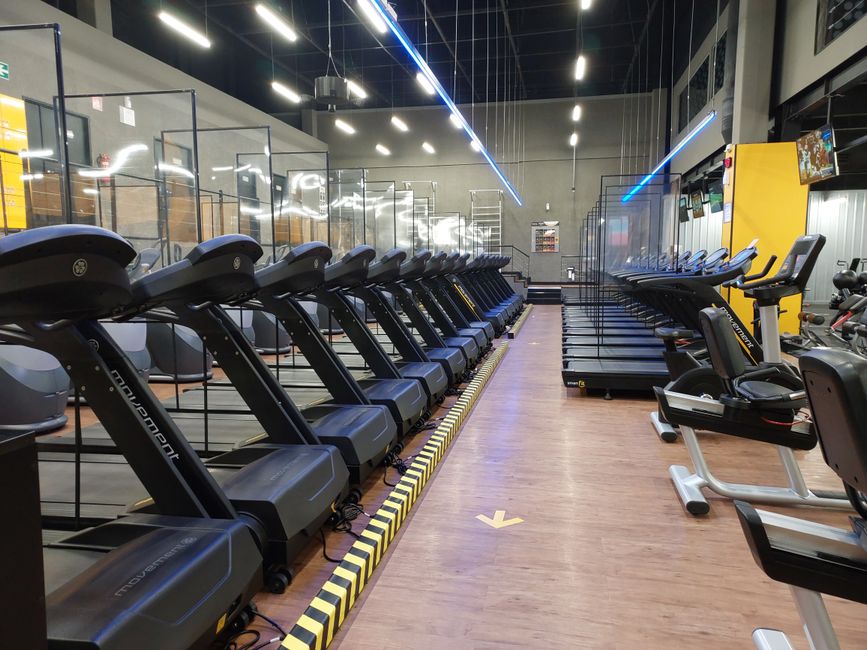
Exercise equipment is the most controversial floor-noise source in apartments. A treadmill above someone is a small earthquake. A jump rope in a unit above someone is unworkable. Even a yoga mat workout with floor impacts carries.
If you exercise at home, place equipment on a thick rubber mat designed for it. Keep heavy floor work to daytime hours (after 9 in the morning and before 9 in the evening). Avoid jumping exercises entirely if you live above another unit. Strength training with weights on the floor needs especially thick padding. Many serious home gyms in apartments use stacked layers of horse stall mats from a feed store, one of the cheapest effective options.
If you want to use a treadmill in an upstairs apartment, talk to the person below first. Show them the equipment, show them the mat, and offer a fixed time window when you will use it. Most neighbors are more flexible when included in the decision. A surprise treadmill upstairs is a far worse experience than a known one.
The footstep map
Most apartments have a small set of high-impact zones. The path from the bedroom to the bathroom. The kitchen work triangle. The entryway. The area around the dining table. The area in front of the TV. These are the places where rugs do the most work. You do not need to rug your entire apartment. You need to rug the four or five zones that account for most of your daily impact.
If you sleep on a schedule that involves frequent overnight movement (kids, pets, work shifts), prioritize the bedroom-to-bathroom path with a thick runner. That one corridor, fully padded, eliminates a surprising amount of conflict with the unit below.
Doors, drawers, and other surprise noise
Drawers and doors are smaller but persistent sources of noise. A kitchen drawer that slams. A bedroom door that bangs in a draft. A cabinet that thuds shut. None of these feel loud to the upstairs resident. All of them carry sharply.
The fix is small. Self-closing drawer dampers cost a few dollars and dramatically soften the impact. Soft-close hinges on cabinets accomplish the same. A doorstop on bedroom doors prevents the slam-shut from drafts. These changes are cheap, easy, and make you a quieter neighbor in ways you may not even notice yourself.
What to say if the neighbor below mentions noise
If the downstairs neighbor mentions noise, do not defend yourself. The instinct is to explain why you are not actually loud. The explanation backfires every time. Instead, acknowledge, ask, and act.
Acknowledge by saying something like, “Thank you for telling me. I had no idea.” Ask what specifically is being heard. The neighbor will usually mention the loudest pattern (the morning footsteps, the dropped items, the kitchen path). Act by addressing that specific pattern within a week. Add a rug. Buy slippers. Pad the chairs. Then check in with the neighbor a few weeks later. “Has it gotten better? Anything else still bothering you?” This question, asked once after a fix, transforms the relationship.
The hours-of-the-day pattern
Different times of day have different noise tolerances. The same volume of footsteps at 11 in the morning is much more forgiven than at 6 in the morning. Adjust your habits around the times when your downstairs neighbor is most sensitive. Earlier and later are the windows that matter.
Specifically, before 8 in the morning, walk in slippers, do not drag chairs, and skip exercise equipment. After 10 in the evening, the same rules apply. The middle of the day is more forgiving. Most disputes happen in the morning and evening windows, not the middle.
The shared truth of upstairs living
The truth that experienced upstairs residents come to accept is that the floor is partly yours and partly someone else’s. Your apartment ends at the floorboards, but the impact does not. Living with this awareness is part of the rent you pay for the convenience of a second-floor unit.
The downside is the small extra effort. The upside is the relationship you build with the person below. The upstairs resident who is thoughtful about footsteps is the upstairs resident whose neighbor brings up their mail when they are sick, who watches for their package, who waves warmly in the elevator. Floor sound is a long-term investment in the texture of your building life. The slippers cost nothing. The goodwill they buy is real.
Frequently asked
How thick does a rug pad need to be to reduce impact noise?
A half-inch felt or rubber pad is the practical minimum. Three-quarter-inch pads are noticeably better. Anything thinner does not absorb meaningful impact.
What if my downstairs neighbor complains about something I cannot fix, like footsteps?
Acknowledge what you can do (rugs, slippers, soft-close hardware) and be honest about what you cannot. Most reasonable neighbors will accept that some footsteps are unavoidable and will appreciate the visible effort on the things you can change.
Should I ask my landlord to install soundproof flooring?
Usually no. Most landlords will not. You can sometimes get permission to install your own subfloor or upgraded pad at your cost. Permission first, always.
Is it rude to ask the downstairs neighbor for feedback?
No, in fact it is a generous gesture. A check-in like "I added rugs last month, has it helped?" signals that you care, even if their answer is mixed.
Related guides
 Apartment Living
Mailroom Habits That Make You a Quiet Favorite
The mailroom is one of the few places where the whole building eventually meets. A few small habits make you…
 Apartment Living
Storage in Six Hundred Square Feet, Without the Hacks
Real apartment storage in a small unit is more about culling than clever furniture. A grounded look at what works…
 Apartment Living
Your First Apartment Walkthrough: A Calm, Honest Checklist
The move-in walkthrough is the single most important hour of your tenancy. A grounded, room-by-room checklist that protects your deposit…