The Quiet Habits That Keep a Rental Feeling Like Home
A rental can feel like a real home even with the constraints of not owning it. The habits that make this happen are smaller than people think.

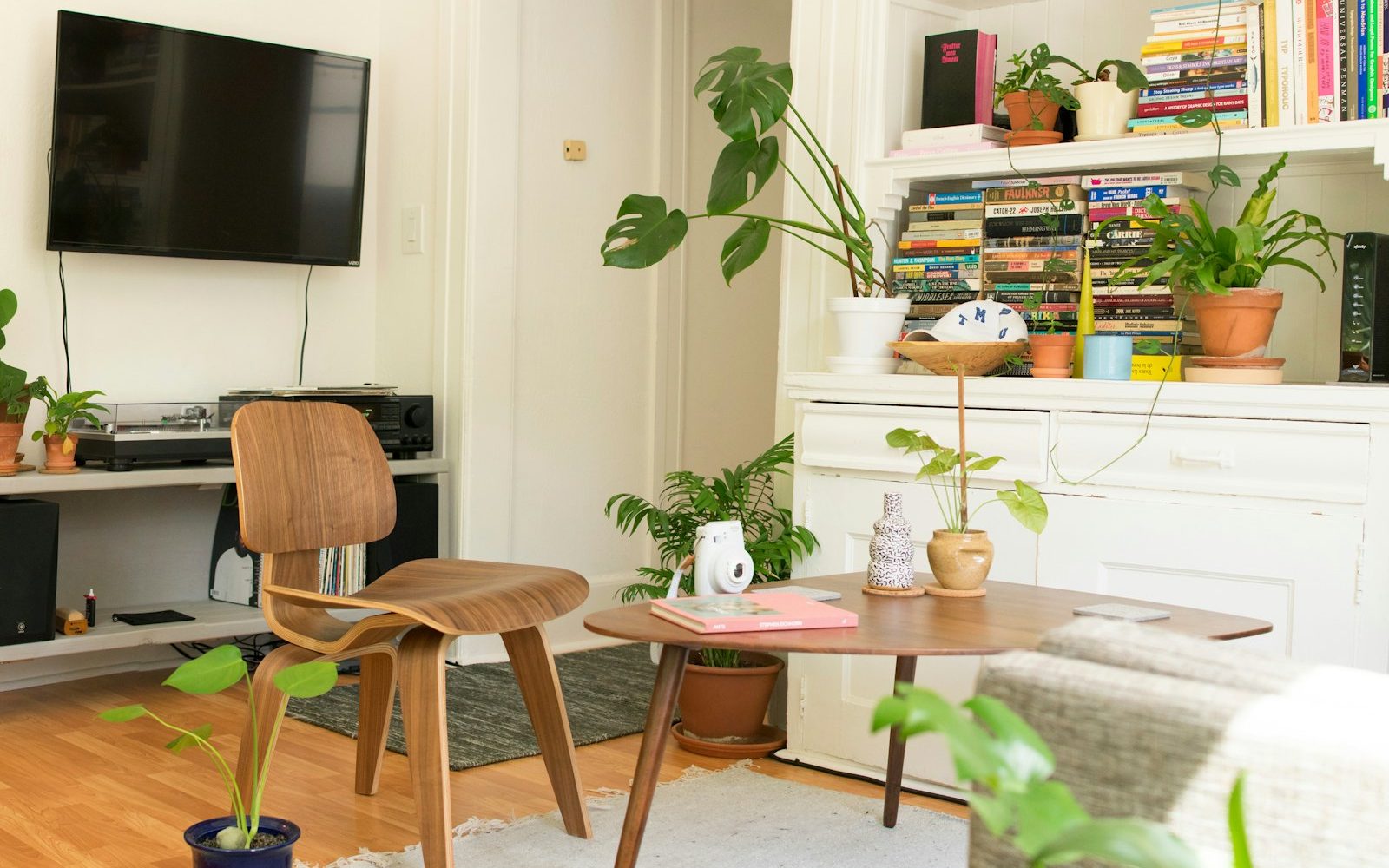
Renting carries a quiet narrative that the apartment is temporary, the space is not really yours, and personalizing it is wasted effort because you will move eventually. This narrative is half right. The apartment is temporary. The other half is wrong. The space can be deeply yours during the years you live in it, in ways that affect daily life significantly. Here are the habits that make a rental feel like home.
The first-week investments
The first week sets the tone. The investments that pay back over the entire tenancy:
- Replace the harsh overhead bulbs with warm-toned ones.
- Add at least one floor lamp or table lamp to the main living area.
- Hang at least one piece of art on the main wall.
- Add a rug to soften the floor and define the living space.
- Put a small plant on a visible surface.
- Make the bed properly with bedding that feels yours.
- Organize the kitchen with the tools you actually use easily accessible.
None of these are expensive. Together they transform the unit from a leased space into a home space in the first week.
The lighting investment
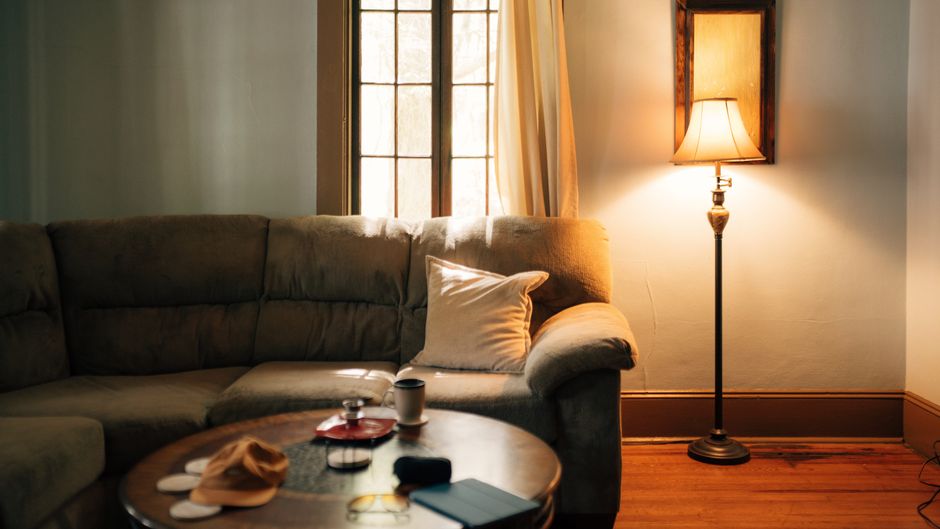
Lighting is the single biggest variable in whether a rental feels like home. Most rentals come with harsh, cool overhead lighting that signals “leased space.” Soft, warm, layered lighting signals “home.”
The investment:
- Replace overhead bulbs with 2700K or lower color temperature.
- Add at least three light sources in any room you spend evening time in (overhead, floor lamp, table lamp).
- Use dimmable bulbs where possible.
- Add string lights or accent lighting in spaces that feel cold.
The total cost is usually $50 to $150. The bulbs can come with you when you move. The transformation of the unit’s feel is immediate and dramatic.
Most rental investments should be things you can take with you. Lamps, rugs, art, furniture, lightbulbs. These move with you. Skip investments that have to stay with the unit (built-ins, permanent installations).
The art on the walls
Empty walls signal temporary. Art on the walls signals home. The art does not need to be expensive or impressive. It needs to be yours.
The patterns that work:
- Framed prints of art you love (museum prints, online posters, vintage finds).
- Family photos in simple frames.
- Travel mementos (maps, postcards, photographs).
- Small collections grouped together.
- A single large piece as a focal point.
The hardware to hang art is covered in the wall-hanging article. The investment is small. The effect on the apartment’s feel is significant.
The kitchen as ground zero
The kitchen is where you spend a lot of time. Making it feel like yours is one of the best investments.
Small changes that matter:
- A specific coffee setup that reflects your actual coffee preferences.
- Tea or other warm-drink station with the things you actually use.
- A small herb plant on the windowsill.
- A nice cutting board displayed rather than stored.
- A dish towel that you actually like the look of.
- A single nice piece of cookware that you use regularly.
These are functional items that also contribute to the home feel. You use them daily and they make the kitchen yours.
The textile layer
Rental units often have hard surfaces and bare windows that feel impersonal. Adding textiles softens the space:
- Curtains that are not the leasing-office standard.
- A throw blanket on the couch.
- Decorative pillows that you actually like.
- A bath mat that feels nice.
- Kitchen towels that look intentional.
- A duvet cover that reflects your taste.
Textiles are some of the easiest things to take with you when you move. The investment is portable.
The plants
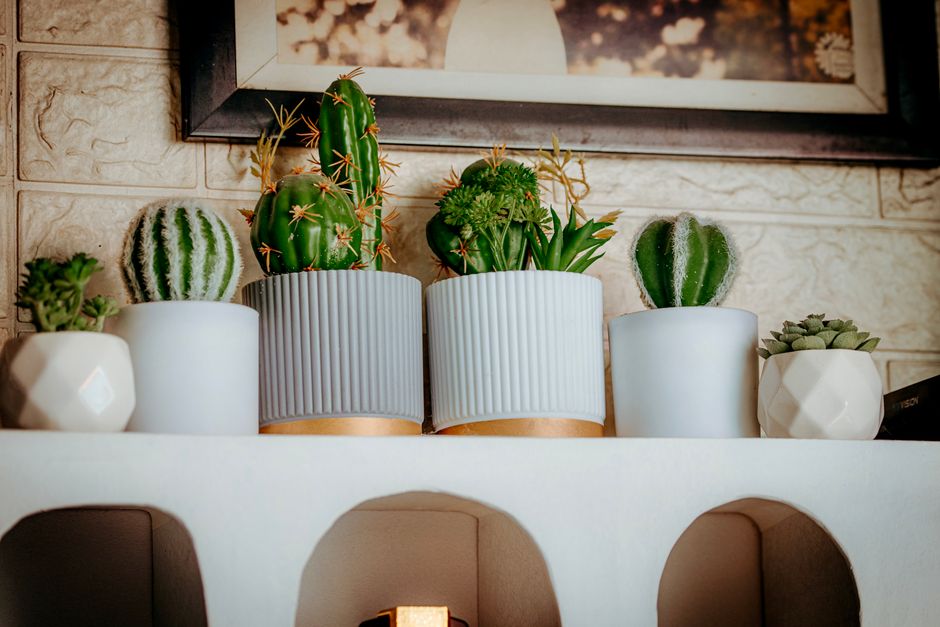
Plants are one of the best home-making investments. They add life to the space. They improve indoor air. They give you something small to care for.
Start with low-maintenance varieties:
- Snake plants (almost impossible to kill).
- Pothos (tolerant and fast-growing).
- ZZ plants (low light and infrequent watering).
- Spider plants (forgiving and propagate easily).
One or two plants in the living area is enough to start. The cost is $30 to $60. They travel with you when you move.
The personal scent
Smell is one of the most underrated home-making variables. A rental that smells like the leasing office’s standard cleaner feels impersonal. A rental that smells like yours feels like home.
The patterns that work:
- A scent diffuser with an oil you like (sandalwood, lavender, cedar).
- Quality candles burned occasionally (not constantly).
- Cooking foods you love.
- Fresh laundry brought home from the dryer.
- Clean bedding changed regularly.
Avoid synthetic plug-in air fresheners, which often create headaches and bother some residents. Natural scents work better and are usually more pleasant. Reference: the EPA’s overview of volatile organic compounds in indoor air.
The routine that anchors the space
Home is partly a feeling created by repeated actions in a space. Daily and weekly routines anchor your sense of being at home:
- A morning coffee or tea ritual in a specific spot.
- A weekly meal you cook on the same night.
- An evening reading spot you return to.
- A Saturday morning cleaning rhythm.
- A monthly small project or improvement.
These rituals make the apartment feel inhabited rather than just used. The space becomes the site of your life patterns, not just a building you sleep in.
The personal display
Visible personal items signal that the space is lived in by a specific person. Not clutter, but considered display:
- A small bookshelf with books you have actually read.
- Photos in frames on a dresser or shelf.
- A single sentimental object in a prominent spot.
- A small collection (postcards, vinyl records, mugs) displayed thoughtfully.
- Travel items, family heirlooms, or meaningful gifts.
The display is small and intentional. Too much display becomes clutter (see the storage article). The right amount makes the apartment feel like yours.
The wear-in over time
Apartments become more home-like the longer you live in them and adjust them. Small additions over months:
- The art piece you bought at a flea market in month four.
- The plant that has grown noticeably over the year.
- The shelf you organized differently after realizing the original layout did not work.
- The reading lamp you replaced after the first one was too bright.
- The pattern of small adjustments that reflect actual living.
The two-year rental usually feels more like home than the six-month rental, partly because of this accumulation of adjustments.
The community connection
Home is also relational. The neighbors you greet by name. The shopkeepers at the local market. The barista who knows your order. The neighborhood you know well enough to give directions in.
These relationships are built over time and are part of what makes a rental feel like home. They cannot be rushed but can be invested in deliberately by participating in the small daily life of the neighborhood.
The acceptance of impermanence
Rentals are temporary. You will move eventually. The investments in making the rental feel like home are not wasted by the eventual departure. They are the dividend of living well in the place during the time you have it.
The renter who refuses to invest because “we will move someday” lives in a series of impersonal spaces. The renter who invests fully in each rental, knowing they will move, lives in a series of real homes.
The latter has a meaningfully better life. The investment is small and portable. The impermanence is part of life, not an argument for not living in the present place.
A rental can be a real home
A rental can be a real home. Not just a placeholder. Not just an arrangement until you can buy. An actual home where you live your life fully and well, even knowing you will move when the situation changes.
The habits that create this are small and consistent. Lighting investments. Art on walls. Plants. Textiles. Personal scent. Daily rituals. Personal display. Community connection. Time spent caring for the space.
The cost is small. The investment is mostly portable. The benefit is years of life lived in spaces that feel like yours, not someone else’s. The next apartment will be the same. The pattern repeats. Each rental becomes home for the time you have it. That is one of the small, real luxuries of being a thoughtful renter for the long term.
Frequently asked
How much should I spend on making a rental feel like home?
Budget what you can afford and what you can take with you. Most renters can transform a space significantly for $200 to $500 in portable investments.
Is it worth painting if I have to repaint at move-out?
Sometimes, for spaces you spend significant time in. The cost of painting at move-out is typically $200 to $400. If the painted space significantly improves your daily life for a year or more, the math often works.
What about expensive furniture in a rental?
Reasonable, especially if you plan to take it with you. Quality furniture lasts across multiple apartments and represents real value. Avoid pieces that only fit your current specific unit.
How do I make a small or awkward space feel like home?
Focus on lighting, textiles, and personalization. Even awkward spaces can feel warm with the right small touches. Sometimes embracing the quirks (a reading nook in an odd corner) creates more character than fighting them.
Related guides
 Rental Living
How to Photograph a Move-In Walkthrough
Move-in photos are the cheapest insurance policy in renting. A grounded look at how to take them in a way…
 Rental Living
Renters Insurance Explained: What It Covers and Whether You Need It
Renters insurance is one of the few genuinely cheap protections in adult life, and it is also one of the…
 Rental Living
When to Push a Landlord, and When to Wait
Some landlord interactions need persistence. Others need patience. A grounded guide to knowing which approach fits which situation.