Keeping a Small Apartment Warm in Winter Without a Huge Bill
A small apartment has one real advantage in winter: there is less air to heat. The trouble is that most of the warmth you pay for leaves through gaps, glass, and cold surfaces long before you…

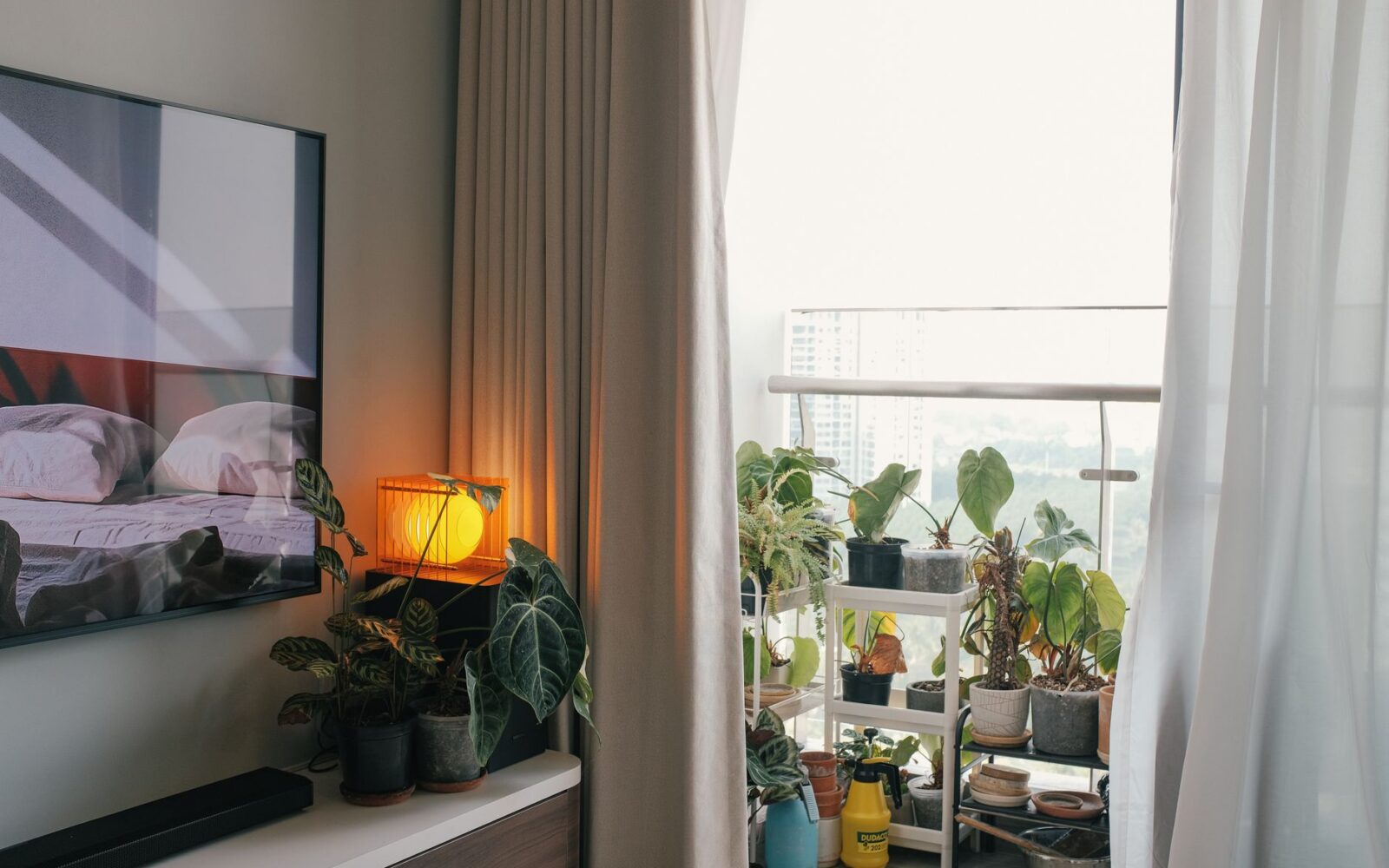
A small apartment has one real advantage in winter: there is less air to heat. The trouble is that most of the warmth you pay for leaves through gaps, glass, and cold surfaces long before you feel it. You can fix most of that yourself, without permission and without the frightening space heater bill people expect. Here is what actually works, in the order worth doing it.
Find where the heat is leaving first
Before you buy anything, spend ten minutes finding the leaks. On a cold, breezy day, run the back of your hand slowly around the edges of every window and exterior door. You are feeling for moving air. Check the bottom of the front door, the seam where an old window meets its frame, and any spot where a pipe or cable passes through the wall.
If you want to be precise, hold a lit incense stick near those edges and watch the smoke. Where it bends sideways, you have a draft. Mark the spots with a sticky note. Most of your winter warmth problem is usually three or four of these, not the whole apartment.
Seal the windows, because that is where most of it goes
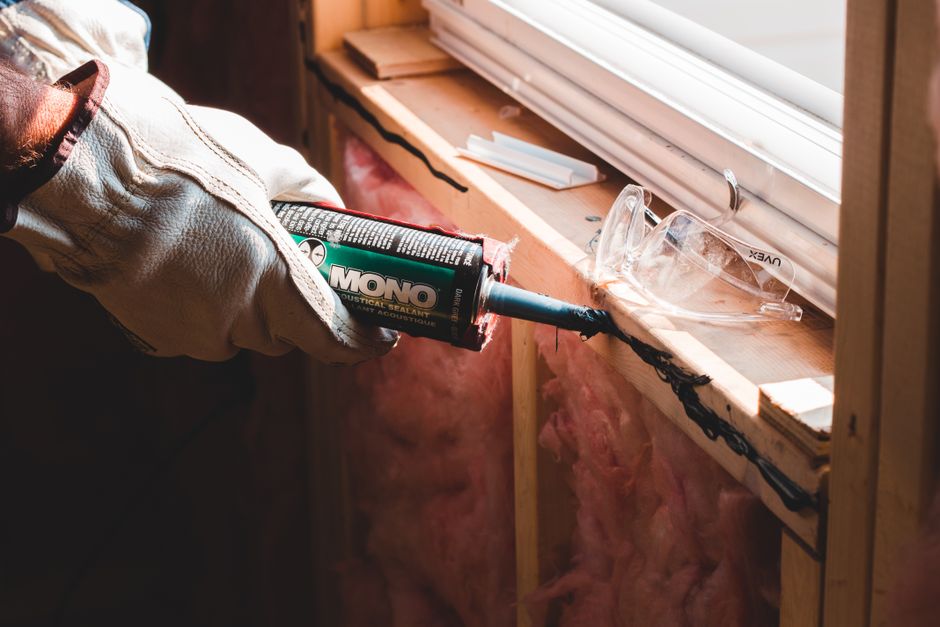
Glass is the coldest surface in a typical unit, and old window frames rarely seal well. You have a few honest options, cheapest first.
- Rope caulk or removable weatherstripping presses into the gap around a window sash and peels off in spring without damaging paint. It is the fastest win.
- Window insulation film (the shrink kits sold in hardware stores) tapes to the frame, and a hair dryer shrinks it tight. It adds a still layer of air in front of the glass and cuts drafts noticeably. It is renter safe because it comes off cleanly.
- Thermal or lined curtains slow the heat that radiates out through the glass, especially after dark.
One free habit doubles the value of curtains: open them on any window that gets direct winter sun during the day, let the light warm the room, then close them at dusk before the glass turns cold. You are collecting free solar heat and then keeping it.
Stop the drafts under and around doors
The gap under a door to a hallway or the outside can move a surprising amount of cold air.
- A draft stopper (a fabric tube, sometimes called a draft snake) laid along the bottom costs little and needs no installation.
- A door sweep fixed to the bottom edge seals better. If you rent, a peel and stick version avoids drilling and comes off later.
- Foam weatherstripping tape around the frame closes the gaps along the sides and top.
Do not forget interior doors. Closing off a room you are not using, and blocking its door gap, keeps the heat you are making in the space where you actually are.
Get more out of the heat you already have
If your building supplies heat through radiators, a few small things help them work as designed.
Keep furniture, curtains, and drying laundry off and away from a radiator. A couch pushed against one absorbs heat you paid for instead of letting it move into the room.
If you have hot water radiators that are warm at the bottom but cold at the top, trapped air is often the reason. Releasing that air with a radiator key can restore full output. If you are not sure what kind of system you have, or a radiator hisses, leaks, or stays cold, that is a job for building maintenance rather than guesswork.
A reflective panel, even foil faced foam board, placed between a radiator and the exterior wall behind it sends heat back into the room instead of into the wall. It is cheap and completely reversible.
If you control the thermostat, use setbacks
When you control your own heat, the single biggest saving is lowering the temperature while you sleep and while you are out. Turning it down for those hours uses less energy overall, and the old worry that reheating costs back everything you saved is not how it works. A few degrees down overnight, with a warm bed, is both comfortable and cheaper.
If your lease allows it and the system is compatible, a programmable or smart thermostat automates this. Check first, because some building systems are not yours to swap out.
Heat only the rooms you live in. There is no reason to keep a spare room or a rarely used kitchen at the same temperature as the spot where you actually sit.
When the building controls the heat
Many older buildings run on central steam or hot water heat that residents cannot adjust, and it often overshoots, leaving some units too warm and others unevenly heated. You have less control here, but not none.
If a radiator has a valve, learn which kind yours is. Many one pipe steam valves are designed to be either fully open or fully closed, and a half open setting can cause knocking. If your unit is genuinely underheated, that is worth raising with management, since most places treat winter heat as a basic condition of the unit rather than an extra.
Space heaters, honestly
A space heater is useful for warming one room you are sitting in, but it is the most expensive way to make heat and the one with real safety rules. A standard electric heater draws up to 1500 watts, and running that for hours adds up quickly on an electric bill, so it makes sense as spot heat only, never as a way to warm a whole apartment.
The safety rules are not optional:
- Give it at least three feet of clearance from furniture, curtains, bedding, and anything else that can burn.
- Plug it straight into a wall outlet, never a power strip or extension cord, which can overheat.
- Set it on a hard, flat, level surface, not a rug or a shelf.
- Turn it off when you leave the room and before you sleep.
- Choose a model with automatic tip over and overheat shutoff.
Never use a gas stove or oven to heat a room. That is a genuine carbon monoxide risk, not a frugal shortcut.
Warm the person, not just the air
Comfort is not only about air temperature. Cold surfaces and moving air make a room feel colder than the thermostat claims.
- A rug or two over a bare floor cuts the chill underfoot and slows heat loss into the floor below.
- Layers, wool socks, and a warm throw let you keep the room a couple of degrees lower without noticing.
- If you have a ceiling fan with a reverse switch, running it clockwise on low pushes the warm air that gathers near the ceiling back down along the walls.
A note on humidity and condensation
Humid air holds warmth better and feels warmer at the same temperature, which is why a dry apartment in winter can feel colder than the number on the thermostat. Drying laundry indoors or running a small humidifier can make a room feel warmer for free.
There is a limit, though. Too much moisture condenses on cold windows and walls and can lead to mold, especially in a small, tightly sealed unit. If you see water beading on the glass in the morning, ease off, and keep ventilating, including running the bathroom fan during and after showers. Warmth and dryness have to be balanced, not maximized.
When cold is the landlord’s problem
Some cold is a sealing problem you can fix in an afternoon. Some cold is a heating system that is not doing its job, and that is a different conversation. If your heat is broken, badly undersized, or a window will not close at all, document it and send a repair email that actually gets answered rather than a vague complaint.
Rules on heat vary by location, but many places require landlords to provide adequate heat during the colder months and set minimum indoor temperatures. The specifics depend on where you live and on what your lease says, so check your local tenant laws and your lease before you decide the cold is only yours to solve. Understanding how light and heat shape whether an apartment feels off can also help you tell an ordinary comfort problem from a real defect.
Keep the utility side in view too. Heating is one of the hidden rental costs a listing rarely spells out, and a leaky, poorly sealed unit quietly makes that bill worse every month you leave it alone.
Frequently asked
Does covering windows with plastic film really help, or is it just a gimmick?
It genuinely helps. The film traps a still layer of air in front of cold glass, which cuts drafts and slows heat loss. It is inexpensive, peels off cleanly in spring, and works best on older single pane or loose fitting windows.
Is running a space heater cheaper than turning up the building heat?
Usually not for a whole apartment, since electric resistance heat is expensive per unit of warmth. It only saves money as spot heat: warming the single room you occupy while you keep the rest of the unit cooler. Never run one unattended or overnight.
My radiator is hot at the bottom but cold at the top. What does that mean?
On a hot water radiator it often means trapped air, which you can release with a radiator key. On steam systems the cause is usually a stuck vent or valve. If you are unsure, or it hisses or leaks, call building maintenance instead of guessing.
The apartment feels damp whenever I try to keep it warm. What should I do?
Ease back on added moisture like indoor laundry drying or a humidifier, and keep ventilating, especially with the bathroom fan after showers. Condensation beading on cold windows is the warning sign that humidity is too high and mold could follow.
My unit is too cold and the heat barely works. Is that my responsibility?
Sealing drafts is on you, but a heating system that cannot keep the unit reasonably warm is usually the landlord's duty. Requirements vary by location, so document the problem, send a clear repair request, and check your local tenant laws and lease.
Related guides
 Apartment Living
The Quiet Joys of a Small Unit, Honestly
A small apartment is usually framed as a compromise. After enough time in one, it starts to look like a…
 Apartment Living
Storage in Six Hundred Square Feet, Without the Hacks
Real apartment storage in a small unit is more about culling than clever furniture. A grounded look at what works…
 Apartment Living
Living Above Someone: Floor Sound and the Habits That Soften It
Living above another unit means every step, drop, and chair scrape lands in someone else's living room. A grounded look…