The Borrowed Lawnmower Problem
Borrowing a lawnmower is rarely about the lawnmower. It is about whether a small trust between two households will deepen or quietly disappear.


A neighbor asks to borrow your lawnmower, and saying yes feels like the friendly thing to do. Then it comes back late, or dirty, or with a part loose, and neither of you mentions it. The next time he asks, the yes turns into a polite excuse. Nothing is ever said out loud, and the two of you stay cordial without quite trusting each other again.
That is the borrowed lawnmower problem. The object on the surface is a tool. The thing underneath is the willingness to be in a small, ongoing exchange with someone you happen to live near. When the exchange goes well, the friendship grows. When it goes wrong, even slightly, the friendship quietly cools and neither side wants to address it. There are a few patterns that help.
The unwritten rules
Almost every culture has unwritten rules about borrowing, and almost everyone learns them by getting one wrong. The basic ones are simple. Return it cleaner than you got it, return it sooner than they expected, return it without being asked. Bring it back with a tiny something, even just a coffee or a baked thing, so the exchange feels balanced. Replace the small consumable parts you used (gas, oil, blades, sandpaper). Apologize quickly and clearly if something breaks.
None of those rules are written into the lease. None of them are taught in school. We learn them through small failures and uncomfortable moments. The result is that two well-meaning neighbors can borrow from each other for years and accidentally damage the relationship without realizing what is happening.

How to lend something without resenting it
Before you say yes, ask yourself two questions. First, would you be okay if this came back damaged or not at all? If the answer is no, you should not lend it. Second, will you remember in two weeks that you lent it? If the answer is no, write it down somewhere. The biggest source of frustration with lending is the slow realization, weeks later, that something is missing and you cannot remember who has it.
If both answers are fine, lend with a soft expectation. Mention casually when you will need it back. Something like, “Sure, I do not need it until Saturday, so anytime before that is great.” That single sentence sets a deadline without making the borrower feel pressured. They will return it before Saturday. You will not have to chase them. The relationship stays warm.
If you are lending something with consumables, say so. “It runs through gas pretty fast, so feel free to top it up before you bring it back.” Most people will, because they were already going to feel a little awkward returning it dry.
How to borrow without becoming a burden
From the other side, the rules are almost the same in reverse. Ask for a specific thing. Mention exactly when you need it and exactly when you will return it. Treat the return date as the deadline, not the suggestion. If you might be late, message in advance. If you used something consumable, replace it. If something broke or got dirty, mention it before they discover it. The earlier you bring up a problem, the smaller it stays.
Avoid the pattern that quietly kills these relationships, which is borrowing the same thing too often. Borrowing once is friendly. Borrowing every weekend turns the lawnmower into your lawnmower and turns the neighbor into your unpaid storage solution. If you find yourself reaching for the same neighbor’s item every week, it is time to buy your own.
The right time to buy your own version of something is the third or fourth time you borrow it in a year. Past that, you are using your neighbor as a free rental, and the relationship will quietly start to register it, even if neither of you brings it up.
The conversation about damage
The hardest moment is the one where something breaks. The instinct is to hope they will not notice. The instinct is wrong. Almost every neighbor will notice the dent, the missing piece, the new scratch. They will not say anything either, because they are also trying to be polite. The damage sits between you for years.
Instead, lead with it when you return the item. Say what happened plainly: what broke, how it broke, and that they should take a look. Naming the damage yourself does three things. It admits the problem. It explains the cause. It invites them to assess it. It also removes the awkward part, which is the discovery.
If you broke something more seriously, offer to repair or replace it before they ask. Even if they decline, the offer keeps the relationship intact. Most neighbors will accept a partial fix or wave it off entirely. The ones who do not will appreciate that you offered. Reference: Nolo’s plain-language legal encyclopedia.
What to do when you are owed something back
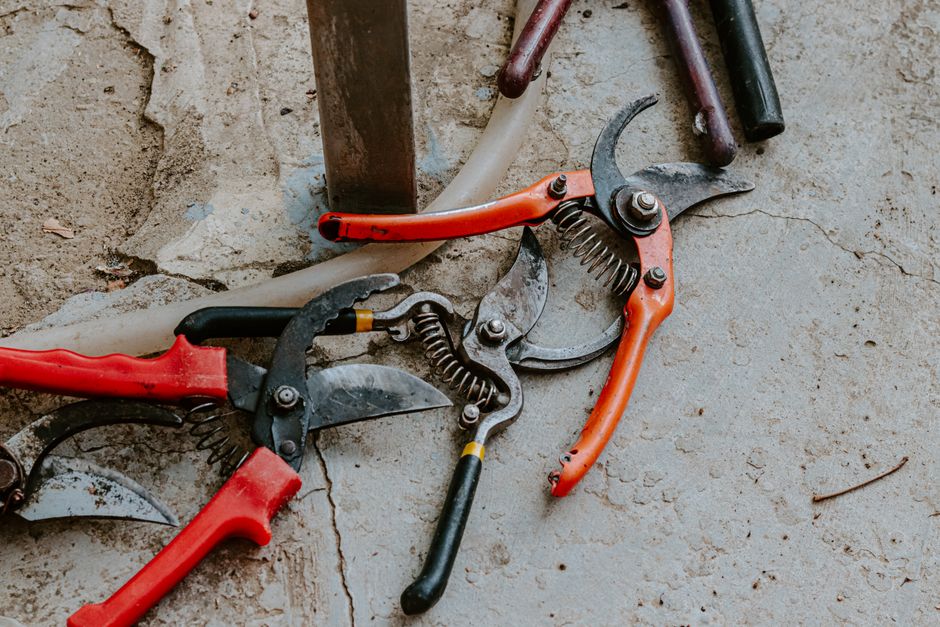
If you lent something out and weeks have passed, do not seethe. Send a short, friendly message. “Hey, do you still have my pruning shears? I want to use them this weekend.” Avoid the longer, frustrated version that includes how long ago they borrowed it and why this is becoming a pattern. The short message will get the item back in most cases. If it does not, you have a different problem and a longer conversation is warranted.
The hardest case is the neighbor who borrows often, returns nothing, and forgets what they are holding. The way to break the pattern is to stop saying yes. You do not owe an explanation. A plain decline works: you are using it that day yourself. Repeating it resets the expectation without requiring an argument.
The small habits that keep this clean
A few small habits make the borrowed-lawnmower problem mostly disappear:
- Keep a short list, even on a phone note, of what is currently out of your home.
- When you lend, take a quick photo of the item in its current state. You do not have to mention this. It just helps you remember its condition.
- Set a soft deadline at the moment of lending. Do not ask for it back the same day, but always name a horizon.
- Return early. The neighbor who returns a tool one day before they said they would is the neighbor people are happy to lend to again.
- Bring a thank-you. A small coffee, a beer, a bag of fruit. Not as payment, but as friction reducer.
The bigger thing the lawnmower is really about
Borrowing between neighbors is one of the small ways we build the kind of street, building, or block where people quietly look out for each other. When the exchange works, you have a neighbor who waters your plants when you travel, who notices when your light has been on too long, who keeps an eye on your package on the porch. The lawnmower is not the point. It is the entry-level transaction. Get this part right and everything else opens up.
Frequently asked
How long is too long to keep a borrowed item?
Past a week without a check-in is usually too long. After two weeks, the lender is wondering. After a month, they are quietly resentful. Return early if you can, and message proactively if you cannot.
What if a neighbor borrows something and never gives it back?
Ask once, plainly and kindly. If they still do not return it, treat the item as lost and adjust how you respond to future requests. Some people simply do not track what they have borrowed.
Should I offer to lend things proactively?
Once you have a basic relationship, yes. A line like, "If you ever need a pressure washer, I have one in the garage," signals openness without pressure and often gets returned with offers of their own.
Is it rude to say no?
It is rude only if you say it in a way that lectures the neighbor. A simple "Sorry, that one I do not lend out" is fine. You do not owe a reason.
Related guides
 Neighbor Etiquette
How to Apologize to a Neighbor (and Why It Works)
A good apology to a neighbor is one of the most underused tools in shared living. The structure is simple…
 Neighbor Etiquette
Quiet Hours, Honestly Explained
Quiet hours are simpler than rule books suggest, and harder than the rule books admit. A practical look at what…
 Neighbor Etiquette
When Their Dog Barks All Day: A Calm Path Forward
A neighbor's dog barking through your workday is one of the most common shared-living frustrations. There is a calm, repeatable…