The Bathroom Fan You Should Actually Be Running
The bathroom fan is one of the most underused tools in apartment living. Used properly, it solves problems most renters never realize they have.

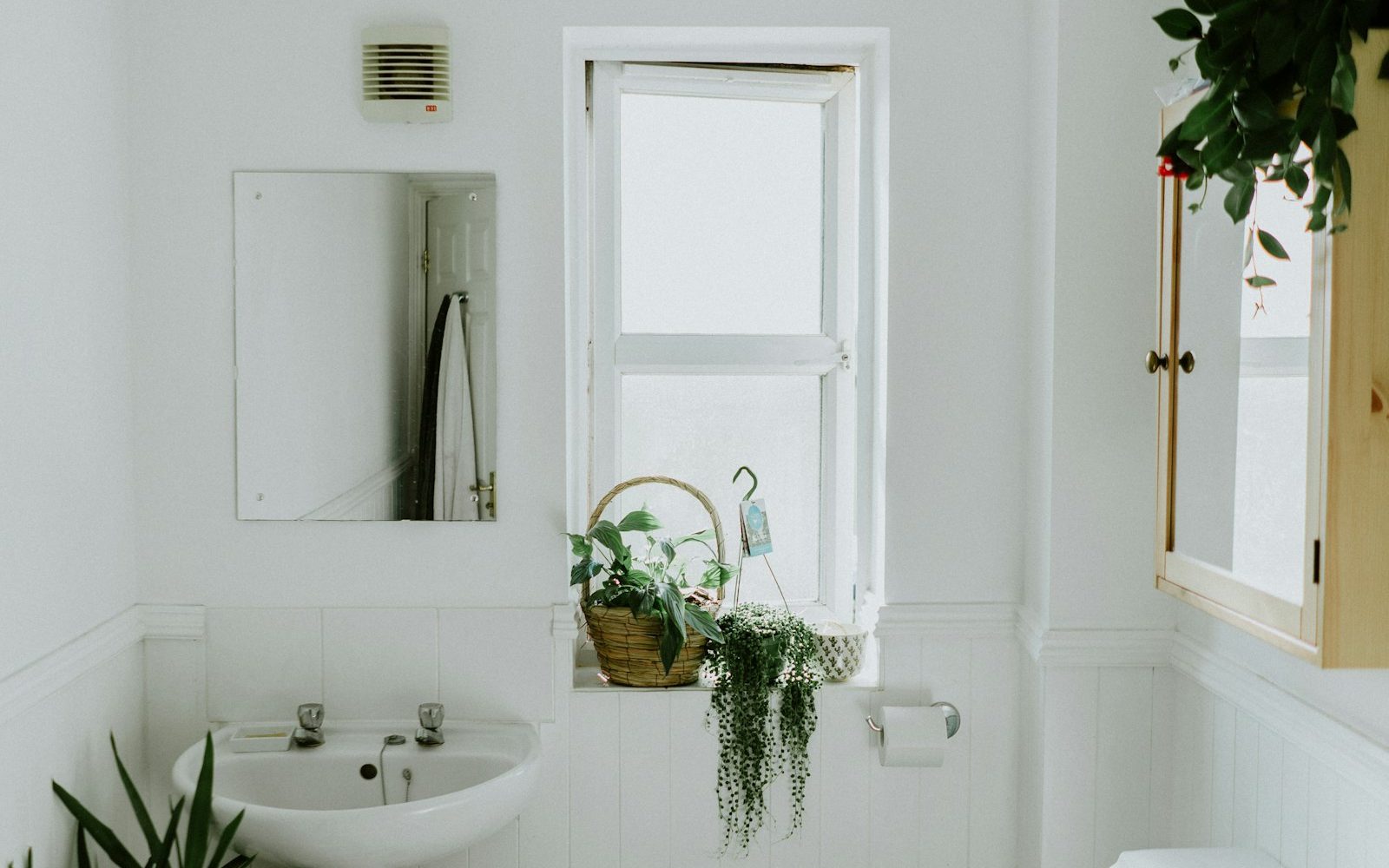
The bathroom fan is one of the most undervalued tools in apartment living. Used correctly, it solves problems most renters never realize they have. Used incorrectly, it allows moisture, smells, and indoor air quality issues to build up slowly until they become real damage. The good news is that using it correctly is mostly a matter of timing.
What the bathroom fan is actually for
Most renters think of the bathroom fan as a smell fan. They turn it on after using the toilet or during a shower, then off when the obvious issue has passed. The fan is actually a moisture fan first and a smell fan second. Its primary job is to pull humid air out of your unit before it can settle into walls, grout, and ceiling materials.
This matters because bathrooms generate enormous amounts of humidity. A single hot shower releases enough water vapor to coat every surface in the bathroom. If that vapor is not removed quickly, it migrates into porous materials. Over months, the result is darkening grout, peeling paint, and in worst cases, mold colonies behind the wall, which is exactly the moisture-first problem the EPA addresses in its guidance on mold.
The right runtime
Most fans should run from the moment you turn on the shower until at least twenty minutes after you finish. Thirty minutes is better. Many bathroom fans have a timer switch for exactly this reason, but most renters do not realize they can replace the standard switch with a timer (often a permitted small renovation, but check with your building first).
The twenty-minute window matters because it is how long humid air typically takes to clear a bathroom of normal size. If you turn the fan off as soon as you leave the room, you have removed half the moisture. The rest sits on the mirror, the tile, the ceiling, and the wall behind the shower.
If you do not have a timer switch, develop a habit. Turn the fan on before the water. Brush your teeth, shave, get dressed. Set a phone timer for twenty minutes after you start the shower. Leave the fan running while you start your morning, then turn it off when the timer goes.
How to tell if your fan is actually working
Many bathroom fans appear to be running but are not actually moving meaningful amounts of air. The motor spins. The fan blade turns. Almost no air leaves the room. This is a common issue in older buildings and in fans that have not been cleaned in years.
The test is simple. Hold a single square of toilet paper or a tissue near the fan grille. If the paper sticks to the grille firmly, your fan is working well. If it slowly drifts toward the fan and falls away, your fan is weak. If the paper does not move at all, the fan is barely venting.
If your fan fails this test, ask your building maintenance to check it. The duct may be blocked with dust or insulation. The motor may be old. The exterior vent on the roof may be partially clogged. None of these are your responsibility as a renter, but they affect your unit’s air quality directly, and ventilation is one of the main levers the EPA points to in its indoor air quality guidance.
If your fan still works but seems weaker than it used to, take the grille off (usually pulls down with two small clips) and gently vacuum the dust off the blades and grille mesh. Most apartment fans accumulate years of dust here. A five-minute cleaning often doubles the effective airflow.
What humid bathrooms produce, slowly
If you under-vent a bathroom for months, the cumulative damage is real:
- Grout darkens as moisture and soap residue accumulate. This is usually not mold but stains that are hard to remove.
- Paint near the ceiling peels in thin sheets. Re-painting requires sanding and a humidity-resistant primer.
- Drywall behind the tile becomes weakened. In severe cases, the drywall can crumble and require replacement.
- Mold begins to grow in hidden corners. Behind the toilet tank, under the sink, behind the door. Visible mold is the late stage.
- Faint musty smells develop. They linger even after cleaning because the source is the wall itself.
None of these happen overnight. They develop over six to twenty-four months of inadequate ventilation. By the time you notice, the damage requires real repair. Running the fan properly prevents almost all of this for free.
The cooking-and-bathroom connection
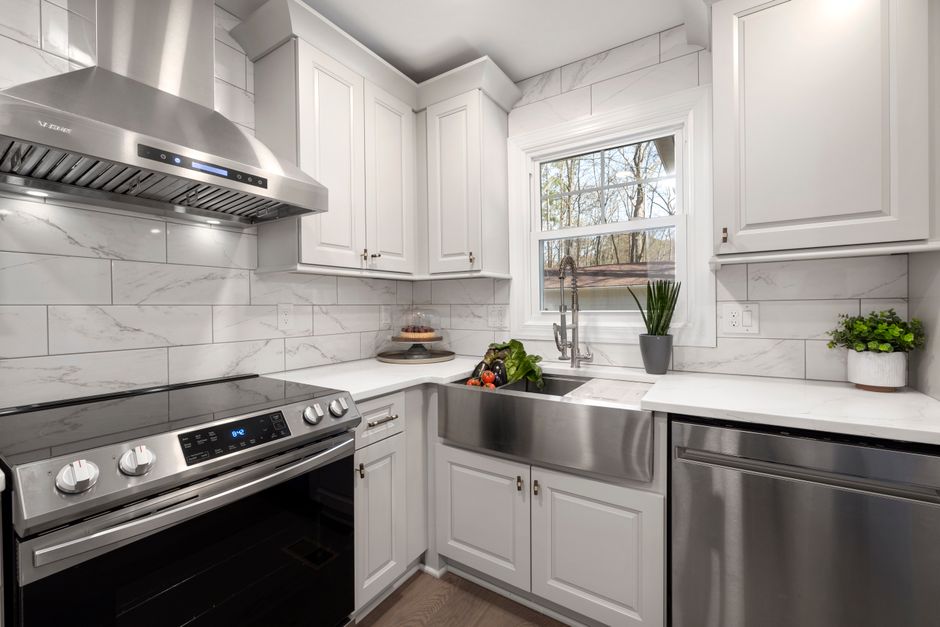
The same logic applies to kitchen exhaust fans, with slightly different rules. Run them longer than you think. Use them every time you cook anything that produces steam or aroma. Many apartments have weak kitchen fans that vent back into the kitchen (recirculating). These do less than a true exterior-vented fan. If your fan is recirculating, supplement with an open window during cooking.
Kitchen humidity and bathroom humidity together account for most of the indoor moisture in an apartment. If both are well-ventilated, the unit feels noticeably drier and the air smells fresher. If both are poorly ventilated, the unit always carries a faint kitchen-and-shower smell that no amount of candle-burning will mask.
When to talk to your landlord about the fan
If your fan is broken or visibly weak, ask the landlord to fix it. Bathroom ventilation is a habitability issue in most jurisdictions, especially if there are signs of moisture damage. Frame the request as preventative. “The fan in the bathroom is weak. I want to make sure we are not building toward a moisture problem.” Most landlords respond faster to a forward-looking request than to a complaint after damage has happened.
If the landlord refuses or delays, document the request. Photograph the bathroom regularly. Save your emails. If a moisture issue develops later, the documentation supports your case that you flagged the problem in advance.
The small habit that pays off for years
Properly using a bathroom fan is one of the smallest, lowest-cost habits in apartment living. Twenty minutes per day, on a timer or by memory. The payoff is a bathroom that looks the same in year three as it did in month one. A unit that does not develop slow moisture damage. A landlord who has no reason to deduct anything from your deposit at move-out. And a daily air quality that is noticeably better than your neighbors’ who never figured this out.
Frequently asked
My bathroom has no fan. What can I do?
Open a window during and after showers if you have one. Use a dehumidifier in extreme cases. If the unit truly has no ventilation and develops moisture damage, raise it with the landlord as a habitability issue.
How often should the fan grille be cleaned?
Twice a year is a reasonable rhythm. More if you can see dust accumulation. Even once a year is far better than the never that most apartments get.
Can I install my own timer switch?
Usually with landlord permission. Some buildings allow renter-installed switches with the original kept for move-out. Always ask first to avoid deposit issues.
Does running the fan use a lot of electricity?
Almost none. A typical bathroom fan uses about twenty to thirty watts. Twenty minutes of fan time costs a fraction of a cent. The cost of not running it is much higher in slow damage.
Related guides
 Apartment Living
The Realistic Way to Compost in a Small Unit
Composting in an apartment is realistic, clean, and surprisingly low-effort with the right system. A grounded look at the options…
 Apartment Living
A Renter’s Guide to Mold: How to Spot It, Report It, and Get It Fixed
Mold in a rental is one of those problems that feels alarming the moment you notice it and confusing the…
 Apartment Living
The Trash Chute Rules No One Tells You
The trash chute has a quiet set of rules that nobody explains in advance. A practical look at how to…