The Real Reason Your Walls Sound Thin (and What Helps)
Walls that "sound thin" are usually fine. The sound is coming through a few specific gaps and weak points. Finding them helps more than thickening the wall.


An apartment can feel like it has paper-thin walls when you can hear a neighbor’s television or conversation from the next unit. But the walls themselves are almost always normal. The sound is traveling through paths that have nothing to do with wall thickness.
Understanding this matters because most renters cannot do anything about the wall itself. We can do plenty about the actual sound paths. Once you know what they are, you can spend an afternoon and several dollars reducing the transmission noticeably.
How sound actually moves between apartments
Sound moves between apartments through five main paths. The wall itself, which is usually less of an issue than people think. The shared HVAC system, which acts like a passive intercom. The outlets and switches in shared walls, which are unsealed openings. The gaps under doors and around the door frames. And the flanking paths around the wall (through floors, ceilings, and adjacent walls), which carry sound around the wall instead of through it.
Of these five, the wall itself is usually the smallest contributor. Modern drywall walls with standard insulation provide reasonable sound dampening. Older plaster walls are even better in some cases. The problem is rarely the wall.
The biggest contributors in most apartments are the HVAC vents, the outlets and switches, and the door gaps. Each of these is fixable.
HVAC vents and the passive-intercom problem
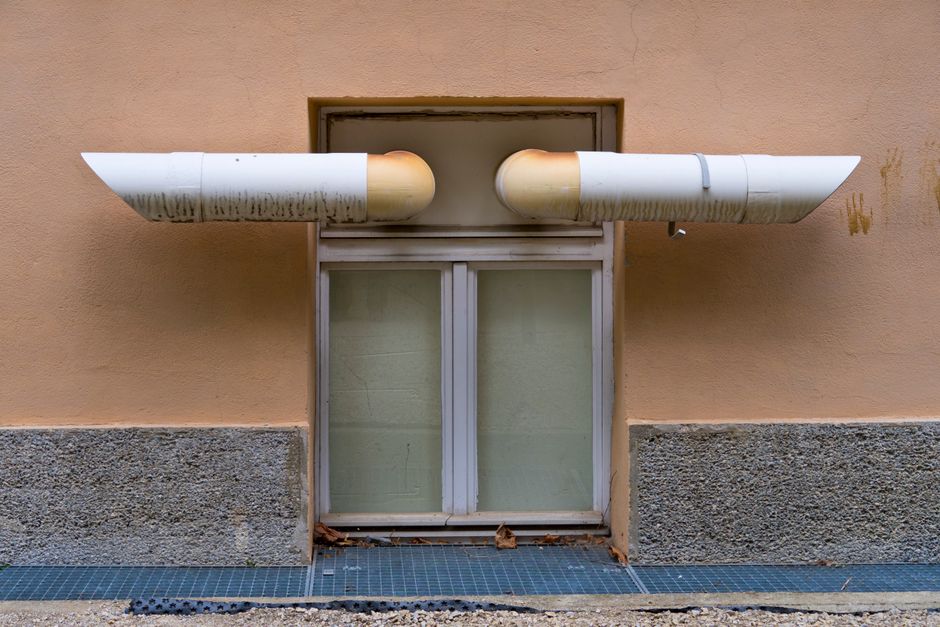
If your apartment has a shared HVAC system, the vents in your unit connect to ducts that run through other units. Sound from neighbors travels through these ducts almost without losing energy. You hear your neighbors’ conversations through your bedroom vent. They hear yours.
The fix is to add a small acoustic baffle or a duct lining at the vent. Some renters use a small piece of acoustic foam, attached gently to the inside of the vent grille, to break up the direct sound path. The vent still works for airflow but sound transmission drops.
For more serious cases, ask building management whether the duct can be lined with acoustic insulation. This is a building-level fix and usually requires their cooperation. A reasonable request, framed as preventative, sometimes succeeds. Reference: Nolo’s guides on renter rights and repair requests.
Outlets and switches
Electrical outlets and switches mounted in shared walls are usually small unsealed holes. The drywall is cut, the outlet box is mounted, and there is air space behind the box that connects directly to your neighbor’s wall.
The fix is to install foam outlet gaskets behind the faceplate. These are inexpensive and easy to install. Remove the faceplate (a single screw), place the gasket over the outlet or switch box, replace the faceplate. Done in under two minutes per outlet.
For an even better result, fill any visible gap inside the outlet box with acoustic putty (sometimes called acoustic caulk or putty pads). This is more involved and requires turning off the breaker, but it dramatically reduces transmission through outlets in shared walls.
Stand near a shared-wall outlet and listen. If you can hear your neighbor’s voice or TV clearly through the outlet hole, you have found one of the biggest sound paths in your unit. A two-dollar gasket fixes most of it.
Door gaps
The space under your front door, and the small gap around the frame, let surprising amounts of hallway noise into your unit. Conversations in the corridor. The elevator chime. Doors closing two units down. All of these travel through the gap and bounce into your living space.
A door sweep installed at the bottom of the front door blocks most of this. A weatherstripping foam tape around the frame closes the perimeter gap. Together, these two small additions reduce hallway noise dramatically. They also reduce drafts and improve insulation, so the apartment feels warmer or cooler depending on the season.
Interior doors (bedroom, bathroom, closet) can be similarly treated if the rooms feel acoustically connected. Most are not as bad as the front door because the hallway side does not have a constant traffic stream, but if your bedroom is louder than it should be, the door is sometimes the culprit.
Floor and ceiling flanking
Even if the wall itself is solid, sound can travel through the floor under your wall, up through the floor of your neighbor, and back into their space. This is called flanking. It is the main reason that even soundproofed walls do not eliminate all transmission.
Reducing floor flanking is harder. A rug pad along the base of the shared wall can help, especially in older buildings with squeaky floors. A bookcase mounted snug against the wall absorbs some of the bouncing sound. Heavy curtains hung along walls (not just windows) reduce reflection and softens the room’s acoustic.
For shared ceilings, less can be done as a renter. Acoustic panels mounted on the ceiling are possible but visible and often disliked by landlords. The realistic fix is to live with the fact that footsteps from above are partly a flanking issue, not a ceiling issue.

The bookcase trick
An unexpected fix is the bookcase. A large bookcase, filled with books, placed against a shared wall absorbs sound that the wall alone does not. The books themselves are the absorber. The bookcase is the structure that holds them in place.
This is one of the cheapest sound improvements in an apartment, especially if you already have books. A wall of books behind the head of your bed, on the shared wall side, can change the bedroom from “hear everything” to “hear muffled sounds.”
If you do not have many books, a tall fabric-covered wardrobe against the shared wall achieves a similar effect. The mass of fabric, clothing, and structure all absorb sound that would otherwise bounce into your space.
Furniture placement as acoustic design
The arrangement of furniture in a room affects how the sound feels. A bed placed against a shared wall is much louder than the same bed placed perpendicular to the wall with the head against a different (non-shared) wall. A couch placed in front of a shared wall, with a soft throw and pillows, dampens more than a glass coffee table in the same spot.
If you have a noise issue with a specific neighbor (above, below, beside), think about your room layouts in terms of “which side of this room shares a wall with them.” Move your most-occupied furniture away from those walls when possible. Put soft surfaces (couches, curtains, rugs) on those walls. The room you spend the most time in benefits the most from this adjustment.
What does not really work
A few popular fixes do not do much:
- Egg crates on walls. Aesthetic disaster. Almost no acoustic benefit unless the foam is dense acoustic foam, which most off-the-shelf egg crates are not.
- Soundproofing paint. Very limited effect. Maybe a few decibels reduction for high-frequency sound, almost nothing for impact or voice.
- Heavy art or tapestries. Some benefit, but less than the marketing claims. Heavy art on a shared wall is roughly equivalent to a moderate curtain in absorption.
- White noise alone. Useful, but it masks rather than reduces. Combined with the other fixes it works well. Alone it leaves the underlying problem.
The cumulative effect
No single fix transforms a thin-walled apartment into a quiet one. The cumulative effect of several small fixes does. Foam outlet gaskets plus door sweep plus rug pad plus bookcase plus white noise can reduce perceived noise by 50 percent or more. The neighbor’s daily routine becomes a soft background instead of a sharp foreground. The apartment that “sounds thin” starts sounding normal. None of the fixes are particularly expensive. All of them take an afternoon or two. The acoustic experience of your unit, which felt fixed and unfixable, was actually quite adjustable the whole time. Reference: the EPA’s overview of noise pollution and its health effects.
Frequently asked
Will my landlord let me install acoustic putty in outlets?
Usually yes, as long as you are using safe materials and not damaging the outlet box. Ask first. Bring photos of what you plan to do.
How much can I really reduce noise as a renter?
Realistic gains are 30 to 50 percent perceived reduction with the standard fixes. More is possible but requires landlord cooperation and bigger investments.
Do soundproof curtains work?
They reduce mid-range and high-frequency sound somewhat. They are most useful when paired with other fixes. As a standalone, the effect is modest.
Is it worth moving to fix a noise issue?
Sometimes. If the issue is structural (very thin walls, shared HVAC, neighbors with chronic loud habits) and the fixes do not help enough, moving is reasonable. Try the fixes first because they are cheap, and reserve moving for situations where the noise is still genuinely harmful after you have tried.
Related guides
 Apartment Living
Living Above Someone: Floor Sound and the Habits That Soften It
Living above another unit means every step, drop, and chair scrape lands in someone else's living room. A grounded look…
 Apartment Living
Living Below Someone: How to Stay Sane Without Becoming the Complainer
Living below an active upstairs unit can wear you down over months. A grounded look at how to handle it…
 Apartment Living
Renting With a Pet: Building Reality Versus Listing Promises
A "pet-friendly" apartment listing is rarely the whole picture. A practical guide to the realities of renting with a pet…