The Quiet Joys of a Small Unit, Honestly
A small apartment is often treated as a compromise. After enough years in one, it starts to look more like a choice.

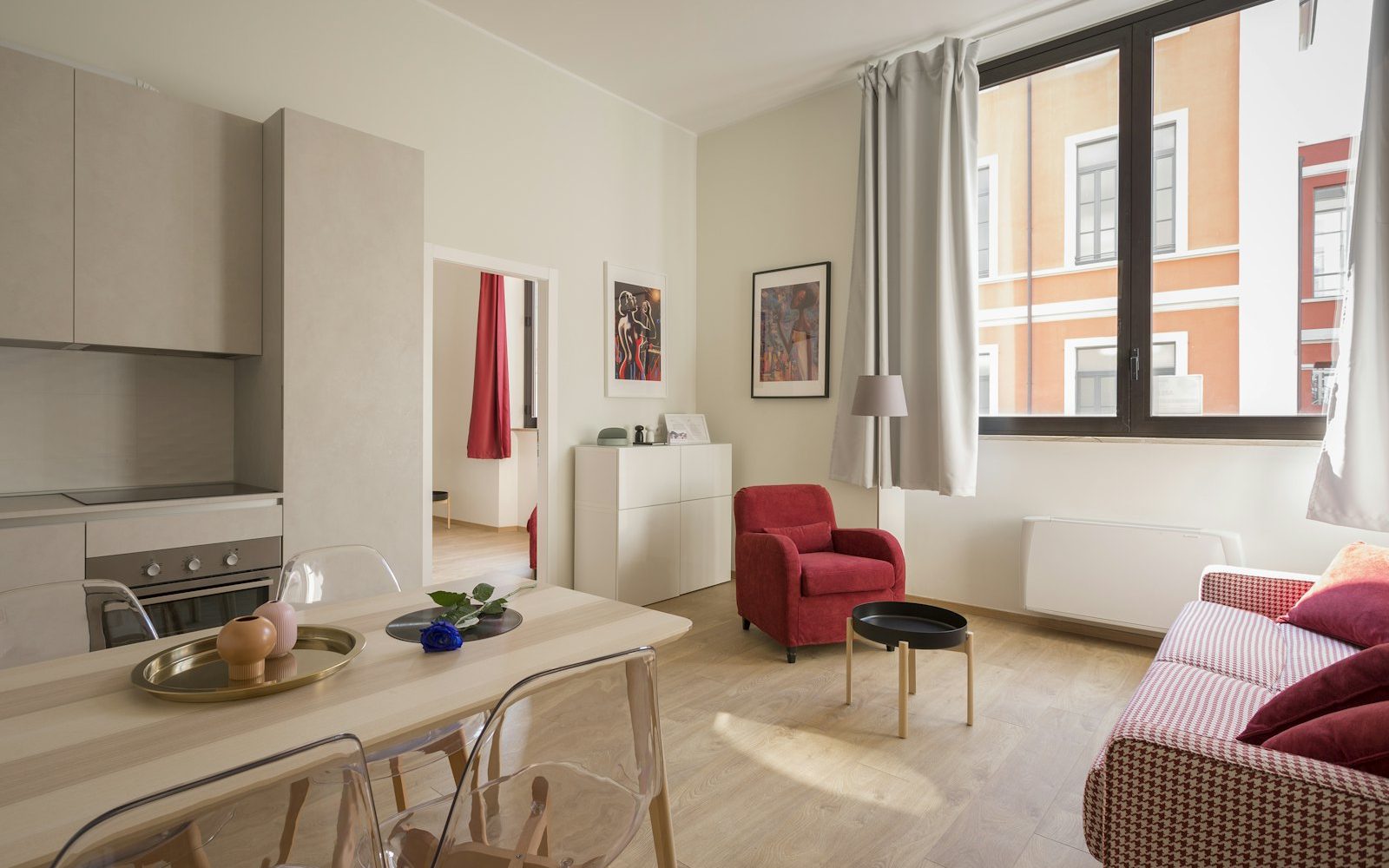
Most writing about small apartments treats them as a problem to be solved. The dominant story is that you are making do with less space than you really want, and the goal is to optimize storage until the apartment feels bigger. This article is the other side of that story. After living in apartments between 400 and 800 square feet for over a decade, I have come to think the small ones are not a compromise. They are a real choice with real benefits that nobody tells you about until you have lived through them.
Cleaning becomes an actually finite project
A small apartment can be deep-cleaned in two hours. The whole thing. Bathroom scrubbed, floors mopped, dust off the shelves, sheets changed, kitchen wiped down. Two hours, top to bottom. A larger home cannot be cleaned in two hours. The math does not work. You are always cleaning some rooms while ignoring others.
This sounds like a small thing. It is not. The mental weight of having a permanently half-clean home is real. The relief of standing in the doorway of your apartment and seeing every surface, every floor, every corner clean is a daily small joy. The small apartment gives you that joy regularly. The large home almost never can.
You see your stuff
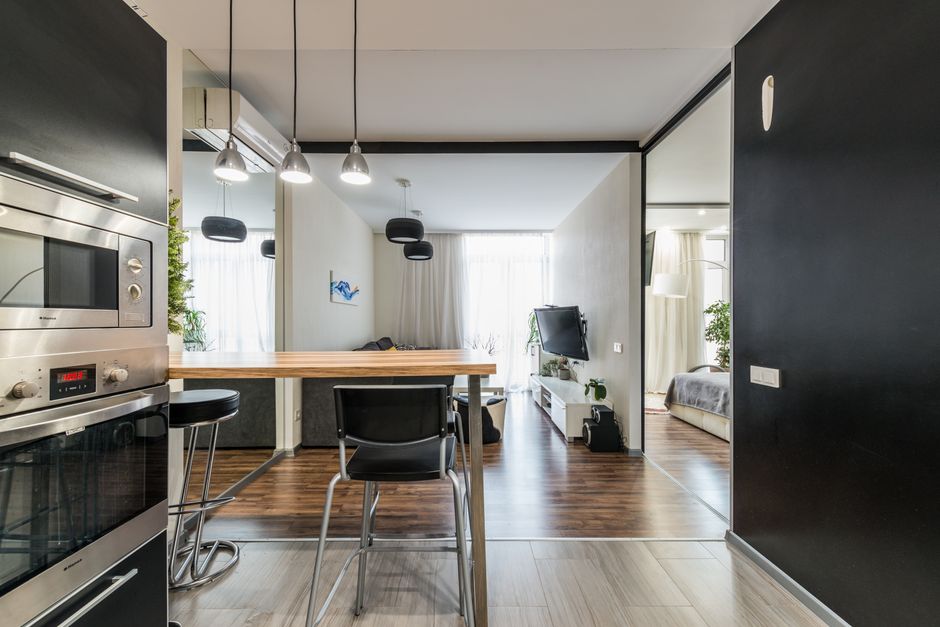
In a small apartment, every item has to earn its place. You see all your belongings every day. There is no garage with boxes you forgot existed. No basement of stuff from college. No third bedroom of items you will deal with later.
This forces a relationship with your belongings that is hard to develop in a larger home. You know what you own. You know what you use. The things you do not use are visible and either get used or get culled. The constant background hum of “I should sort that out someday” is much quieter in a small apartment, because there is nowhere for that someday-pile to hide.
You move less stuff, less often
People in small apartments tend to own less, which means moving is faster, cheaper, and less stressful. A move from one small apartment to another can usually be done in a single day with a small truck. A move from a three-bedroom home is a multi-day, multi-thousand-dollar project.
This matters because moves are inflection points. People move because of job changes, relationship changes, or life-stage changes. A person with a small footprint can move when it would actually be useful for their life. A person with a large footprint sometimes stays in a house they have outgrown because the cost of moving has become prohibitive.
You spend less time at home, intentionally
This one cuts both ways. A small apartment is less comfortable as a sit-at-home all day environment. It also pushes you out into the world more naturally. The cafe down the street becomes your second living room. The library becomes your office. The park becomes your backyard.
People who live in larger homes sometimes find themselves spending more time inside, because the space is comfortable enough to never leave. The small-apartment dweller gets pulled into their neighborhood. They become a regular at three or four nearby places. They run into their neighbors more. Their world becomes wider, not narrower.
For some people, the constant outward pull is a downside. For most others, it is one of the slow gifts of small-space living.
Small-apartment residents tend to develop strong third-place habits. A cafe where they work. A bar where they meet friends. A park bench they use to read. These third places become genuinely important parts of their life. The apartment is the bedroom and kitchen. The world is the living room.
Energy bills, in dollars and in attention
Heating and cooling a small apartment costs almost nothing compared to a house. The energy bill drops by 50 to 80 percent. The environmental footprint shrinks. The attention required to manage utility costs drops too. You stop thinking about whether you can afford to crank the heat in winter. You can. Reference: the U.S. Department of Energy’s Energy Saver guide.
The same applies to maintenance costs. A small apartment has fewer surfaces to maintain. Fewer appliances. Less plumbing. The total cost of living in a small space, especially when rented, is markedly lower than the larger alternative. This is a fact often hidden by per-square-foot comparisons that ignore the absolute size of the bills.
You actually know your neighbors
Small apartment buildings tend to be denser and more interactive than houses on quarter-acre lots. You see your neighbors in the hallway, in the mailroom, in the laundry room. You hear them. They hear you. The shared spaces force a degree of social contact that the suburban house does not.
This can be uncomfortable for someone used to anonymity. It can also be one of the great quiet pleasures of city life. The doorman who knows your name. The neighbor across the hall who waters your plants when you travel. The elderly resident on the second floor who lights up when you say hi. None of these relationships develop in the same way in a freestanding home.
Decisions take less time
In a small apartment, you cannot have ten chairs because you only have room for two. You cannot have three couches because you only have room for one. The constraints make decisions easier. You buy the one good thing for the one spot it goes in, and you stop shopping.
This sounds small. It is not. Decision fatigue is real. The amount of time and energy that goes into managing the possessions of a larger home is enormous and largely invisible. The small apartment trims this dramatically. The mental space freed up by not constantly thinking about what to buy next is significant.
The cooking corner
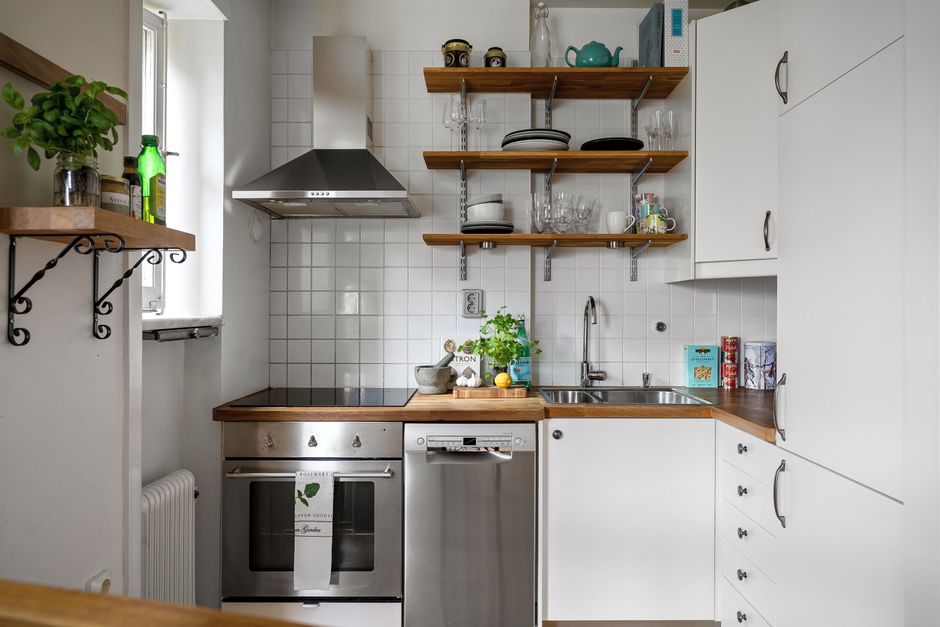
Small-apartment kitchens are often dismissed as inadequate, but a well-designed small kitchen is one of the great small-living pleasures. Everything is within arm’s reach. You can cook from the sink. You can stir something while answering the door. The constraints make you a better cook because you stop relying on gadgets and learn the fundamentals.
The cook who has lived in a small kitchen for years tends to be a more capable cook than the one who has always had a large suburban kitchen. The small-apartment cook can produce real meals with two pans and a single cutting board. The large-kitchen cook sometimes cannot, because they never had to.
Signs a small apartment might suit you
- You feel a low-grade background stress about the state of your current home most of the time, because it is never fully clean at once.
- Your weekend cleaning routine takes hours and still leaves rooms untouched, so you rarely enjoy a fully tidy home for more than a day.
- You have closets, a basement, a garage, or a spare bedroom whose contents you cannot fully inventory from memory.
- Your monthly utility bills feel disproportionately high given how few rooms you actually spend time in during a typical week.
- Your neighborhood already contains at least two or three places (a cafe, a library, a park, a bar) you would enjoy using as a regular second living room.
- You have been quietly postponing a move you know would improve your life because packing and hauling a large household feels prohibitive.
- Your calendar shows most waking hours spent at work, with friends, or out in the world rather than at home anyway.
- You already find yourself culling belongings a few times a year and consistently wishing you owned less, not more.
What you give up
To be honest, small-apartment living also has real costs. Hosting more than four or five people requires planning. A serious craft project (woodworking, large-scale art, anything that needs space) is hard. Having multiple children is logistically harder. The sound from neighbors is closer. The privacy is thinner.
For some people, these tradeoffs are deal-breakers. For others, the tradeoffs become invisible after a year. The hosting moves to restaurants and bars. The craft project becomes a workshop you rent. The kids share rooms. The privacy is found by walking out the door instead of going to a back room.
The honest summary
The small apartment is not for everyone. People with children, with significant collections, with home-based work that needs space, or with strong introverted privacy needs may genuinely prefer a larger home. That is real and deserves no judgment.
But the dominant narrative that smaller is always a compromise is wrong. For a substantial number of people, the small apartment is the better choice, period. Less to clean. Less to maintain. Less to move. More integration with the neighborhood. Lower bills. Easier decisions. A more visible, manageable life.
The renter who has lived in a small apartment for a few years and grown to love it is not making the best of an unfortunate situation. They are living in a way that suits them better than a larger home would. The square footage is a feature, not a bug. The quiet joys of the small unit are real, and they are worth saying out loud, because the rest of the housing conversation almost never does.
Frequently asked
How do I know if I am suited for a small apartment?
If you spend most of your day outside the home (work, social life, hobbies that happen elsewhere), you are probably well-suited. If you work from home, host frequently, or have hobbies that require space, you may chafe in a smaller unit.
Is it worth paying more per square foot to live in a small apartment in a good neighborhood?
Often yes. The neighborhood is your living room. A small apartment in a walkable area you love is usually better than a large apartment in an area you tolerate.
How do I host friends in a small apartment?
Smaller gatherings work well (four to six people). For larger groups, consider a restaurant, a park, or a community space. Hosting in a small apartment can be intimate and special when the group is right.
Will I outgrow a small apartment as I get older?
Some people do. Many people do not. The small-apartment pattern can sustain decades, especially in walkable neighborhoods with strong community life. The size of the home does not have to grow with age.
Related guides
 Apartment Living
Living Below Someone: How to Stay Sane Without Becoming the Complainer
Living below an active upstairs unit can wear you down over months. A grounded look at how to handle it…
 Apartment Living
How to Hang Things on a Plaster Wall Without Losing Your Deposit
Hanging art and shelves in a rental does not have to be a deposit-risking gamble. A grounded guide to the…
 Apartment Living
How to Check an Apartment for Bedbugs Before You Sign
A bedbug problem is far easier to avoid than to end. Once an infestation is established in a unit, treatment…