Smells That Travel: Cooking, Laundry, and the Indoor Air
Cooking, laundry, and indoor air travel between apartments through vents, hallways, and the gaps under doors. The fix is rarely dramatic, just consistent.


Smell travels almost as much as sound in a shared building, and it is governed by physics that nobody bothers to explain. Cooking, laundry, and smoke all move between units along paths that are rarely obvious from inside your own apartment.
Once you understand how smell moves between apartments, you can fix most of the smell complaints with small habits. You can also worry less about the ones that are not really fixable, because some of them are simply the side effect of living in a building with other humans who eat, do laundry, and breathe.
How smells actually move
There are four main paths. First, vents. Bathroom, kitchen, and HVAC vents are often connected to a shared system that mixes air across multiple units. Second, gaps. The small spaces under doors, around windows, and through old electrical sockets allow air pressure differences to push smells through walls. Third, hallway leakage. The seal between your unit and the hallway is rarely complete, so what is happening in your kitchen can drift out into the building’s main corridor and back into another unit. Fourth, plumbing. Drains and traps occasionally allow odors to backflow up into a unit when the trap dries out.
Knowing the paths helps you know which fixes work. A scented candle does almost nothing against vent transfer. A working exhaust fan does enormous work against kitchen smells. A small towel under a door blocks more hallway leakage than people expect.
The cooking smell conversation
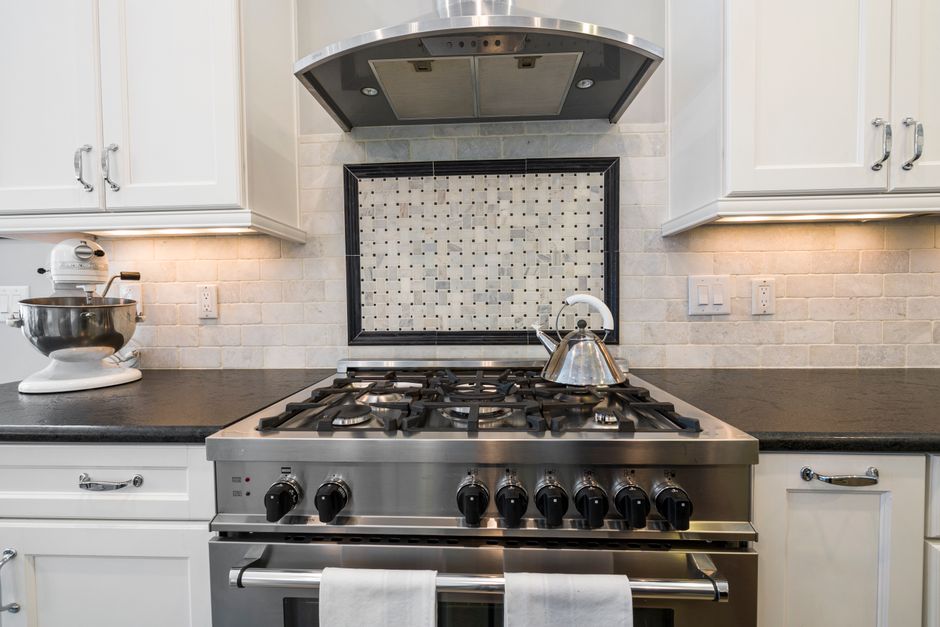
Cooking is the most common source of apartment-to-apartment smell. Frying, smoking meats, garlic, fish, certain spices. None of these are wrong. Apartments are homes, not cleanrooms. But there are small habits that keep a shared building friendlier:
- Run the exhaust fan from the moment you start cooking, not at the end.
- Cover pots when possible. The lid is a smell barrier.
- Open the kitchen window slightly even on a cold day. Cross-ventilation pulls smell out the window instead of into the hallway.
- Close the kitchen door, if you have one, while you cook. This isolates the smell to one room of your unit.
- Clean spatters quickly. Smell sticks to grease, and grease stays around long after the cooking ends.
If a neighbor mentions a smell, do not get defensive. Cooking is personal, and a complaint about it can feel like a complaint about your culture. Most people who bring it up are not trying to police your food. They are usually telling you that their HVAC is connected to yours and they are stuck with whatever you cook. A simple acknowledgement and a fan habit usually settles it.
If you have a recirculating hood fan that vents back into your kitchen, it does almost nothing for smell transfer. A real exterior-vented fan pulls smells out of the unit. If you cannot upgrade, an open window paired with a small box fan in another room creates a similar effect. The goal is moving air through your unit, not just stirring it.
Laundry, dryer sheets, and the chemistry of the building
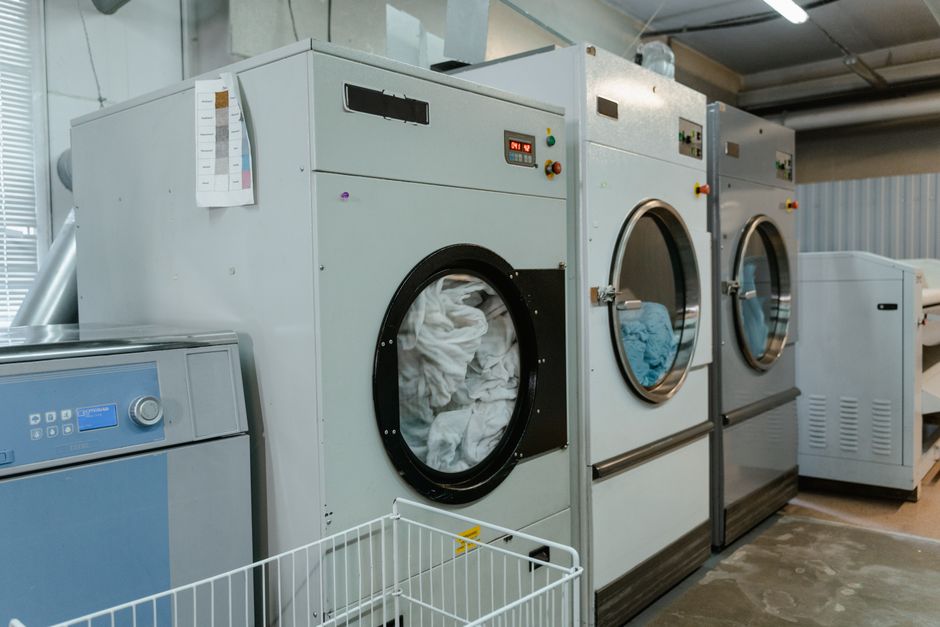
Many buildings now have several units sharing the same exterior dryer vent line. Strong dryer sheets, scented detergents, and fabric sprays can travel through that system into other apartments. Most of the time, no one minds. Sometimes, a neighbor with chemical sensitivity or asthma will mind a lot.
The compromise is gentler scents and fewer fabric sprays, not no scent. Unscented or lightly scented detergent in cold water, paired with skipping the fabric sheet in the dryer, dramatically reduces what travels. Your laundry will still smell clean. Your neighbor will be able to breathe more easily.
If you are the neighbor on the receiving end, ask kindly. The other person almost certainly has no idea their detergent is reaching you. A short, specific message asking whether they could try an unscented version is usually enough.
Smoke is its own category
Cigarette smoke, cannabis smoke, and to a lesser extent vape clouds all travel further than people think. In some buildings they are a lease violation. In others they are simply a powerful smell that strangers do not want in their bedroom. The polite path is to smoke only in places designated for it, or to step outside and away from windows and intake vents. If your building does not have a clear rule, ask management to clarify. Most buildings will, if asked specifically. Reference: EPA’s guidance on indoor air quality in the home.
If you are bothered by smoke from another unit, do not knock during an episode. Knocking while someone is mid-cigarette puts both of you in a confrontational state. Wait. Then bring it up neutrally another time. The same applies to cannabis. Many users genuinely do not know how much of the smell escapes their unit.
The smells that are not actually a problem
Some smells just happen. A weekend roast that fills the hallway with rosemary for an hour. A child’s birthday cake. A new candle that is a little stronger than expected. The neighbor making fresh bread on a Saturday morning. These are signs of life. A building without any food smell at all is usually a building where nobody is cooking, which means it is a building of takeout containers in the recycling. Most people, given the choice, would rather smell their neighbor’s dinner once a day than live in a building of microwaves.
If you find yourself reaching for the fan every time you walk past a neighbor’s door, ask whether the smell is unusual or just present. Present smells are part of shared living. Unusual smells, especially ones that linger overnight or change daily, are usually worth a conversation.
When something smells genuinely off
Some smells are signals, not just inconveniences. Gas. Sewage. Smoke from something that should not be on fire. If you smell any of these strongly and consistently, do not assume someone else has reported it. Tell building management, and if it is a gas smell, call the gas utility’s emergency line first. The cost of being wrong is small. The cost of ignoring it can be enormous.
If the smell is more chronic, like a mildew note in a shared hallway or a faint sewer smell near a drain, that is a building maintenance issue. Report it once, with the time and location, and let the building handle it. Most buildings will, especially if the report is calm and specific.
The kitchen-and-laundry truce
The realistic truce in shared living is that everyone cooks, everyone does laundry, and everyone occasionally has a smell escape their unit. The neighbors you want to live with are the ones who run the fan, choose milder products, and answer kindly when you bring up something. The neighbors you become are the same. The truce is not silence in the hallway. It is the small effort, repeated quietly, that keeps the building’s air a place everyone can breathe.
Frequently asked
My neighbor cooks strong food every evening. Is it fair to ask them to stop?
Almost never fair to ask them to stop. Fair to ask about their fan habits, vent setup, or whether the building could improve the kitchen exhaust. The cooking itself is rarely the issue you can negotiate.
Do air purifiers help with smells coming from another unit?
They help moderately, especially HEPA models with activated carbon filters. They do not stop the source, but they significantly reduce the concentration in the room where they are running.
Is it okay to use plug-in scented diffusers in an apartment?
Use sparingly. Strong synthetic scents can travel through vents the same way cooking smells do, and they bother some neighbors more than the cooking did. Mild or no scent is usually safer in shared buildings.
What if my landlord ignores a serious smell complaint?
Document the time, type of smell, and any health impact. Send a written follow-up after the verbal report. Most jurisdictions have habitability rules that require landlords to address persistent serious smells, especially anything tied to mold, sewage, or gas.
Related guides
 Neighbor Etiquette
The Note Slipped Under the Door: When to Write One, When to Knock
A short, careful note slipped under a neighbor's door has resolved more disputes than most people realize. It has also…
 Neighbor Etiquette
Hosting a Loud Night Without Burning a Year of Goodwill
A loud night in an apartment is not the problem. The lack of communication around it usually is. A real…
 Neighbor Etiquette
The Borrowed Lawnmower Problem
Borrowing something from a neighbor sounds simple. Most lasting neighbor disputes are quietly born in moments where the borrowing did…