Knowing Your Neighbors as a Quiet Safety Layer
The strongest building security system in any apartment is a network of neighbors who recognize each other. The cost is small. The benefit is constant.


An attentive neighbor can notice water spreading in a hallway and trace it back to the unit it came from, or call the building manager before a leak has been running for hours. None of this requires friendship. It requires only that the neighbor knows which door is yours and is willing to act on what they see.
This is the kind of thing you cannot buy with any security system, app, or service. The neighbor who knows your name and unit, who notices when something is off, who acts on what they see. The neighbor network is the strongest security layer in any apartment building. It is also the layer that most residents never deliberately build, because the work of building it is small, slow, and easy to skip.
What the network actually does
A network of neighbors who recognize each other accomplishes a quiet set of things that no electronic system can match:
- They notice when your light has been on too long, or off too long.
- They notice when an unfamiliar person is lingering in the hallway near your unit.
- They hear sounds from your unit that you cannot hear from where you are.
- They can let in legitimate visitors when you cannot.
- They can watch for your delivered packages, water your plants, take care of small things.
- They know to alert someone if they see your unit door open when it should be closed.
- They are the first responders for small incidents (a flood, a smell of smoke, an alarm).
Each of these is small. Together they form a safety net that activates quietly and consistently without requiring you to ask. The neighbor who knows you exists watches out for you in ways you may never even know. Reference: Ready.gov’s community preparedness resources.
How the network forms
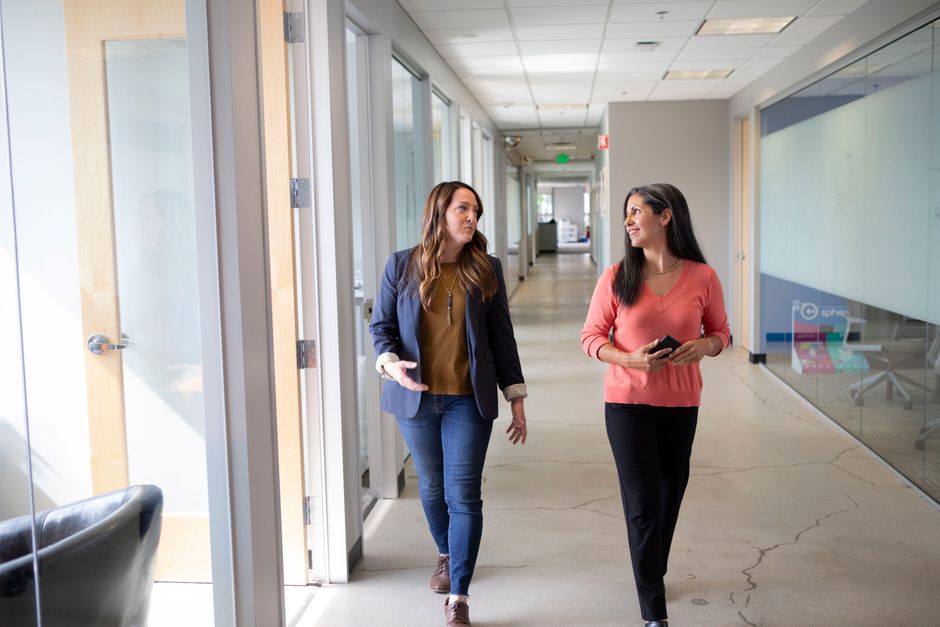
The network forms through small repeated interactions over months. A hallway hello. An elevator chat. A held door. A returned package. A check-in after a noticed problem. Each interaction is a tiny deposit. After a few dozen of them, you are part of the network.
The interactions do not need to be deep. You do not need to know your neighbors’ jobs, hobbies, or families. You need to know their names, their units, their faces, and a few basic facts. They need to know the same about you. That mutual recognition is enough.
The fastest way to start is during your first three months in a building, when introducing yourself is easy and expected. After that, the introduction becomes more delicate but is still possible through the small daily interactions described in the etiquette articles.
The single most useful piece of information a neighbor can know about you is your unit number. The name is helpful. The unit number is essential. When something goes wrong, the neighbor needs to be able to tell building staff which unit, not just which person. Make sure your closer neighbors know your unit, especially the ones above and below you.
The trusted-three approach
You do not need to know everyone in your building. You need to know three to five neighbors well enough that they would recognize you and act if needed. These are usually:
- One immediate hallway neighbor (across the hall or next door).
- The unit directly above or below if you have ongoing interaction.
- Building staff (doorperson, super, manager) if available.
- One neighbor in a different part of the building if possible, for broader awareness.
The “trusted three” approach is realistic for most residents. It requires no major social investment. It produces most of the safety network benefit. Reference: FEMA’s Community Emergency Response Team (CERT) program.
The exchange that solidifies the network
The interaction that turns recognition into network is usually a small mutual favor. You water their plants while they travel. They sign for your package when you cannot. You watch their cat. They watch yours. Each favor exchanged builds the level of trust that makes the network functional.
Offering the first favor is the move that starts this. “I am around this weekend if you need anything.” “I am happy to grab your package if you are not home.” Offers like these cost little to make and are easy to decline. The relationship deepens through the small act, not through extended conversation.
Most offers are turned down, which is fine. The offer itself signals that you are available, which is sometimes enough. Make the offer occasionally without expecting acceptance. The pattern is what matters.
The information you can share, lightly
Sharing some basic information with your trusted neighbors helps them help you. Common pieces:
- Your unit number and a way to reach you (text, knock).
- Your general schedule. Do you work from home or commute? Are you usually home in the evenings?
- Whether you have a pet, and if so, what kind.
- If you travel often, a rough sense of when you are away.
- If you have a regular visitor (a partner, family member, dog walker), their general pattern.
You are not announcing your life. You are sharing the few facts that let neighbors recognize anomalies. If your routine usually has you home by 7 and a neighbor notices your door open at midnight on a Tuesday when you are clearly not there, they know to check on it.
Avoid sharing information that does not need to be shared. Financial details, work specifics, sensitive personal information. The network works on light context, not deep biographical data.
The reciprocal information
Knowing some basic facts about your neighbors helps you act if needed. The neighbor across the hall has young children. The neighbor below has an elderly mother who visits weekly. The neighbor above travels for work. These facts, picked up gradually, let you recognize when something is off and act appropriately.
You do not need to interrogate neighbors for this information. It comes up naturally in small conversations over months. Listen for it. Remember it. Use it occasionally.

The building manager as a network member
Building staff (managers, supers, doorpersons) are an underrated part of the network. They see more of the building than any resident. They have institutional memory. They can sometimes connect resident-to-resident without either party having to do the work directly.
A good relationship with building staff is one of the most useful pieces of the network. Greet them by name. Thank them for help. Mention things you have noticed, casually. Offer occasional small gestures (a coffee, a card around holidays). The staff member who likes you is the staff member who will go the extra mile when you need it.
Avoid the pattern of treating building staff as a service rather than as people. The transactional approach gets transactional results. The relational approach unlocks the human texture of building life.
The limits of the network
The neighbor network is not a security system. It cannot stop a determined intruder. It cannot prevent every incident. It is a layer, not a wall. The combination of the network plus your own habits plus building infrastructure is what creates real safety. Any single layer alone is insufficient.
The network is also subject to natural turnover. People move. The neighbor you knew well last year is gone. The network requires ongoing maintenance, slowly, through new introductions and small interactions with new residents.
The network can also be uneven. Some buildings have strong network cultures. Others have weaker ones. You may invest in the network and find that most of your neighbors do not reciprocate. That is fine. Even one or two strong connections create meaningful safety benefit.
The longer-term effect
Residents who invest in the network over years find that their building becomes a fundamentally different place to live. Not a series of strangers. Not a stack of doors. A small community of people who recognize each other and look out for each other in quiet, low-key ways. The safety benefit is real but secondary. The primary benefit is the texture of daily life. The building becomes warmer. The hallway becomes a familiar place. The strangers become neighbors.
This is the kind of community most apartment residents quietly want and few actively build. The cost is small daily attention and the willingness to do a few small favors. The reward is years of a building that feels like home, which incidentally also happens to be much safer than the building of strangers next door.
Frequently asked
What if my neighbors do not seem interested in the network?
Focus on the few who are. Most buildings have at least two or three residents who are open to a friendly relationship. That is enough for the basic safety benefit.
How do I introduce myself to a network when I have lived in the building for years already?
Use the natural moments. Hold the elevator, ask a small building question, mention something happening on the floor. Within a few weeks of small interactions, the network forms even after a delayed start.
Is it weird to ask a neighbor to keep an eye on my unit?
For short, specific situations (a weekend away, a delivery you are expecting), no. For a vague "watch my unit," yes. Specifics make the request reasonable.
What if I have a privacy concern about neighbors knowing my schedule?
Share only what you are comfortable with. The network works with light information. You do not need to share anything that feels uncomfortable.
Related guides
 Community Safety
Cameras at Home, Without Making the Neighbors Uncomfortable
Home cameras are useful when handled carefully and uncomfortable for everyone when they are not. A grounded guide to keeping…
 Community Safety
Talking to Building Management About a Real Concern
Raising a real concern with building management is a small skill that gets significantly better results than the average resident's…
 Community Safety
Why Loud Hallways Sometimes Mean Safer Hallways
A quiet hallway feels safe but a hallway with normal life sounds is often the safer one. A grounded look…