When to Push a Landlord, and When to Wait
Some tenant requests need persistence. Others need patience. Knowing which is which is the difference between getting what you need and burning the relationship.


I once pushed a landlord very hard on a request that, in retrospect, was not urgent. The dishwasher had broken. I had been washing dishes by hand for a week. I sent three emails in five days, each one slightly firmer than the last. The dishwasher was eventually replaced. The landlord, who had been responsive on other matters, became noticeably cooler with me for the next six months. The cost of pushing too hard on a minor issue was the deterioration of a relationship that had been working well.
Knowing when to push a landlord and when to wait is one of the harder skills of renting. Push too hard and the relationship suffers. Wait too long and real issues do not get addressed. The right calibration depends on the specific issue, the landlord, and the timeline. Here are the patterns that work.
The issues that need pushing
Some situations genuinely require persistent pressure. The categories that warrant pushing:
- Habitability issues. No heat in winter, no hot water, no working toilet, persistent leaks, dangerous electrical, gas smell, mold, pest infestations. These are legal habitability issues that the landlord must address promptly.
- Safety issues. Broken locks, broken windows, non-functioning smoke or CO detectors, structural damage. These compromise your safety and need fast resolution.
- Issues with documented timelines. If your lease specifies response times that the landlord is exceeding, you have grounds to push for adherence.
- Repeated issues. A problem that keeps recurring after supposed fixes needs sustained attention.
For these, pushing is appropriate. The landlord has obligations they are not meeting. Persistent, documented pressure is reasonable.
The issues that need waiting
Other situations are better served by patience:
- Non-urgent cosmetic issues. A scuff on a wall. A slightly off-color paint touch-up. A worn carpet that still functions.
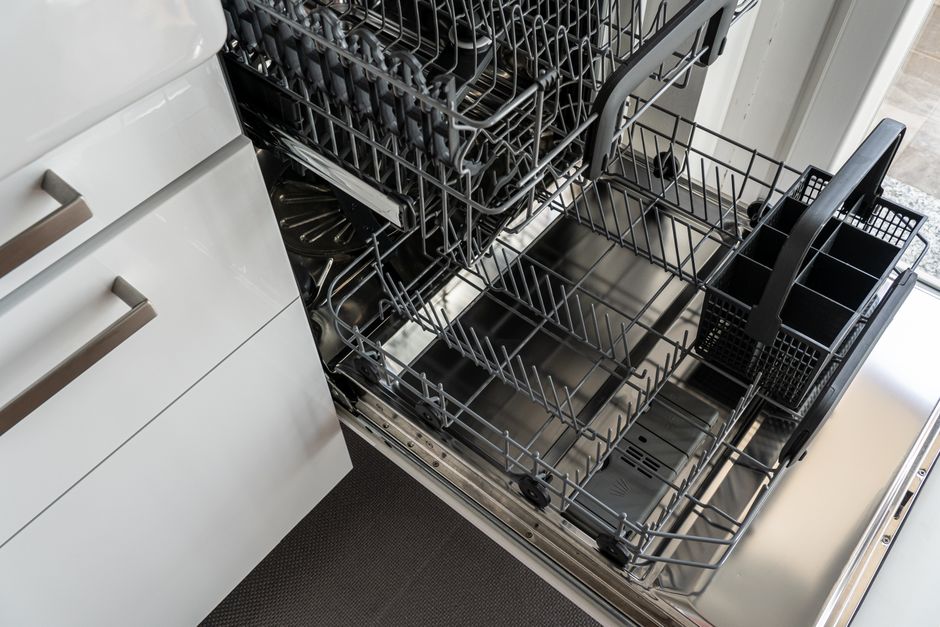
- Convenience appliances. A dishwasher that needs replacement. A microwave that does not heat evenly. A garbage disposal that runs slow.
- Aesthetic improvements. You would like the building to upgrade something. The current state is functional but suboptimal.
- Issues affecting future tenants. Problems that do not affect you directly but that you think should be addressed.
For these, patience and gentle, periodic requests work better than pushing. The landlord will address them on their timeline, which is usually slower than you would prefer but reasonable.
The factor: actual versus perceived urgency
Most tenants perceive their requests as more urgent than the landlord does. This is natural. Your daily life is affected. The landlord has many units and many requests.
Before pushing, do a quick check. Is this issue genuinely urgent, or does it just feel urgent because it is happening to me? A broken dishwasher is annoying but not urgent. A broken water heater in winter is genuinely urgent.
Calibrating your urgency to the actual severity is what determines whether your pushing is appropriate or comes across as demanding.
For non-emergency issues, ask yourself: can I reasonably live with this for a week while it gets addressed? If yes, the situation does not warrant aggressive pushing. If no, the situation is more urgent and stronger pressure is appropriate.
The push timeline
If you have determined that pushing is appropriate, here is a reasonable timeline:
- Initial request via the proper channel (email, online portal, etc.).
- If no response in 3-5 business days (or sooner for urgent issues), polite follow-up.
- If still no response in another 3-5 days, slightly firmer follow-up referencing the original and the elapsed time.
- If still no response, escalation to the property manager’s supervisor or property management company.
- For urgent unaddressed issues, contact tenant rights organization for guidance on formal options.
Each step is a calibrated escalation. Skipping steps comes across as overreaction. Lingering on a step for too long lets the issue fester. Reference: HUD’s state-by-state tenant rights directory names the local agency that handles unresolved complaints.
The wait timeline
For issues that warrant patience:
- Initial request via the proper channel.
- If no response in 1-2 weeks, polite check-in.
- If still no response in another 1-2 weeks, mention that you would appreciate hearing where it is on the schedule.
- Accept that some non-urgent issues may not be addressed until a maintenance cycle or budget period.
The wait timeline acknowledges that landlords have many things to address and that some non-urgent issues simply take time.
The landlord type
Different landlords respond differently. Knowing your landlord’s type helps calibrate:
- Professional property managers. Usually responsive to written requests through the proper channel. Push timeline works well.
- Small private landlords. Often slower but more personally invested. Patience often works better. Pushing can damage a personal relationship.
- Absentee landlords. May not respond at all without persistence. Push timeline may need to be more aggressive.
- Bad landlords. Some landlords are simply unresponsive regardless of approach. In these cases, formal channels (tenant rights, housing authorities) become necessary.
Adjust your approach to the landlord you actually have, not the ideal landlord. The same level of pushing works differently across these types.
The documentation rule
Whether pushing or waiting, document everything. Every email. Every response. Every promised timeline. Every actual repair. The documentation:
- Protects you if disputes escalate.
- Shows patterns of responsiveness or non-responsiveness.
- Supports your position in formal complaints if necessary.
- Helps you decide whether to renew the lease.
Documentation is the same regardless of whether you push or wait. It is the foundation of any tenant-landlord relationship.
The relationship investment
The push-or-wait decision is also shaped by the long-term relationship. A landlord who has been responsive on serious issues deserves patience on minor ones. A landlord who has been chronically unresponsive deserves less patience even on minor issues.
The bank account analogy applies. The landlord who has been responsive has built up goodwill credit. You can spend some of that on a minor request and still have plenty. The landlord who has been unresponsive has no credit. Even small requests need active pushing because the relationship has nothing in reserve.
The mutual respect angle
The best tenant-landlord relationships are mutually respectful. The tenant treats the landlord as a professional. The landlord treats the tenant as a paying customer with reasonable expectations.
Both sides have responsibilities. Tenants pay rent on time, follow lease terms, keep the unit reasonably clean, report issues promptly. Landlords maintain the property, respond to requests, handle repairs, treat the tenant fairly.
When both sides hold up their end, push-or-wait calibration becomes easier. The landlord knows the tenant’s requests are reasonable. The tenant knows the landlord will eventually address things.
When one side fails to hold up their end, the relationship deteriorates. Tenants who chronically violate the lease cannot expect prompt response. Landlords who chronically fail to maintain the property cannot expect patient tenants.
How push-or-wait calibration develops over time
The push-or-wait skill develops over years of renting. Early renters often push too hard or wait too long, learning the calibration through experience. Experienced renters know intuitively when to send the follow-up and when to give it another week.
The key is consistent attention to the relationship as well as the issue. Each interaction either builds or depletes goodwill. Use the goodwill carefully. Replenish it when possible (thank-yous after fixes, patience on minor issues). Spend it strategically on issues that genuinely matter.
The renter who masters this skill has a much easier rental life. Issues get addressed. The landlord is generally responsive. The relationship is sustainable across years. The cost is a small amount of strategic thinking before each push. The benefit is years of smoother apartment life, repair after repair, request after request.
Frequently asked
How do I know if an issue is truly urgent?
Habitability issues (no heat, hot water, working plumbing), safety issues (broken locks, no smoke detectors), and active damage (leaks, mold) are urgent. Most other things are not.
What if the landlord pushes back when I push them?
Reset to a more neutral tone. Document the interaction. If the issue is genuinely urgent and the landlord is being unreasonable, escalate to property management or tenant rights organizations.
Should I withhold rent if the landlord is unresponsive?
This is a complex legal decision that varies by jurisdiction. Most places require specific procedures (notice, escrow account, documentation). Consult a tenant rights organization before withholding rent.
Is it appropriate to threaten legal action?
Generally no, unless you are prepared to follow through. Empty threats damage the relationship without producing results. Real escalation to formal channels is sometimes appropriate; threats are usually not.
Related guides
 Rental Living
Moving Out Without Hurting a Deposit
The move-out process is where most security deposits are lost. A grounded guide to the steps that protect what you…
 Rental Living
The First Month’s Repair Calls: A Pattern
A new apartment reveals small issues in the first month that are usually the landlord's responsibility. A grounded guide to…
 Rental Living
Why Your Rent Just Increased, in Plain Terms
A rent increase usually feels arbitrary. The factors behind it are identifiable and understanding them helps you respond well.