The Polite Treadmill: Gym Manners in a Small Apartment Gym
A small building gym shared by two hundred residents requires more etiquette than most large commercial gyms. The rules are simple but easy to miss.

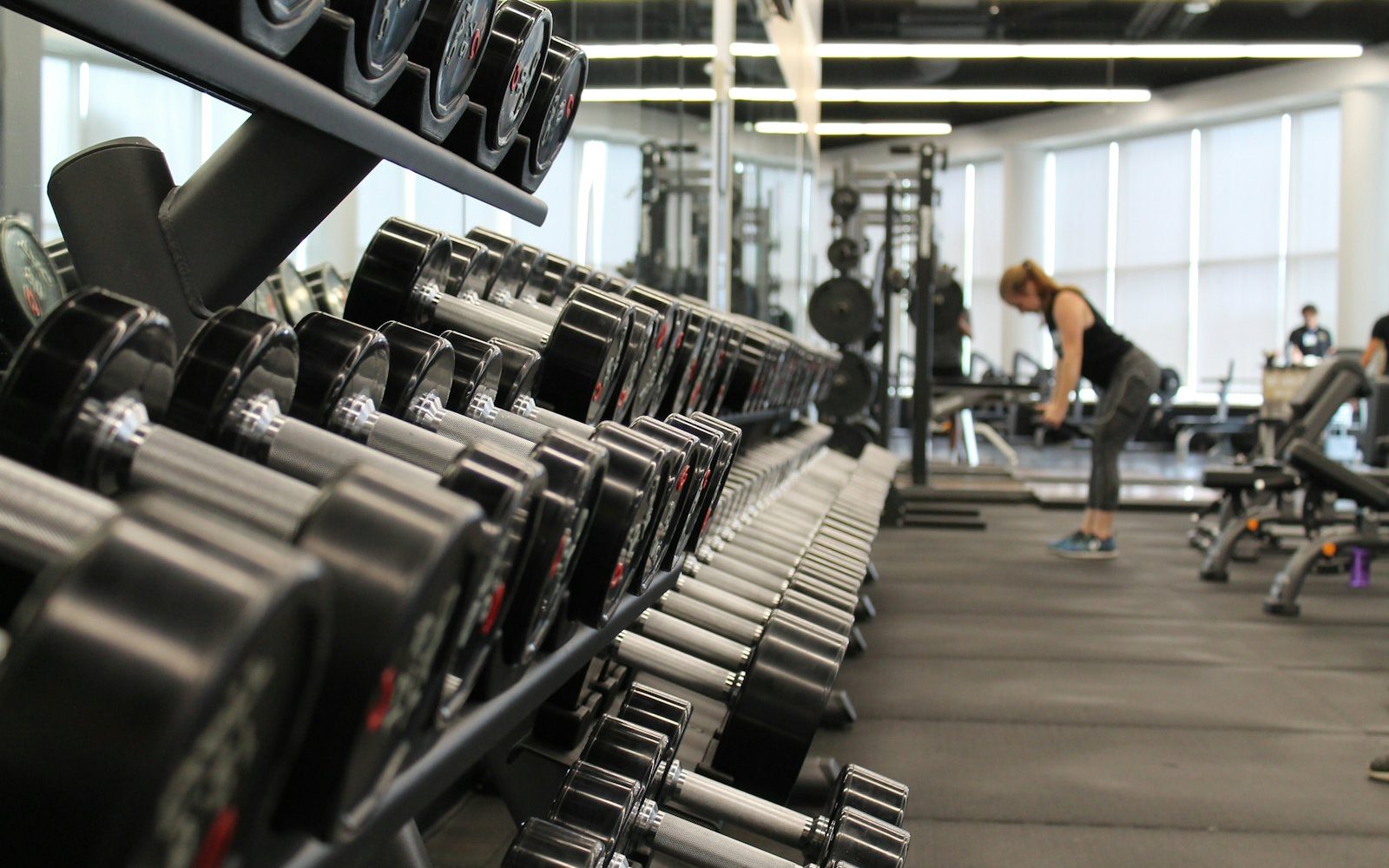
Building gyms are intimate spaces. The etiquette is tighter than at a commercial gym precisely because the social cost of breaking it is higher. Here are the patterns that keep a small apartment gym working.
The wipe-down is sacred
The single most important habit in a building gym is wiping down equipment after use. Sweat on the equipment is unhygienic, unpleasant for the next user, and over time damages the equipment surfaces. Reference: CDC guidance on hygiene practices.
Most building gyms provide spray bottles and paper towels or wipes. Use them. Every machine. Every piece of equipment you touched. Even if you barely sweated. The habit is the point.
If your building does not provide wipes, mention it to management. It is a small request that improves the gym for everyone. In the meantime, bring a small towel or your own wipes.
The time-limit question
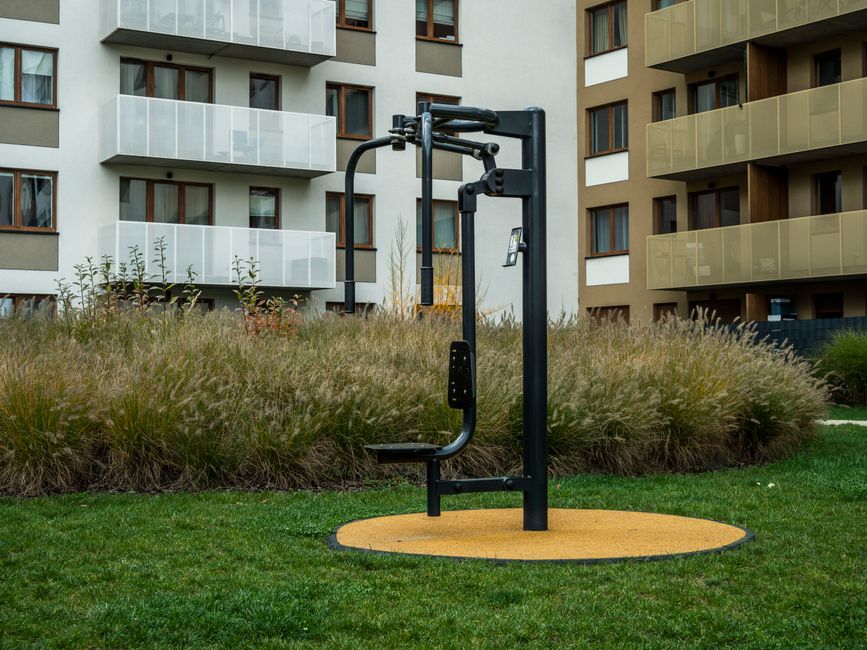
Most building gyms have informal time limits on cardio equipment, usually 30 minutes when others are waiting. Some have posted limits. Whether posted or not, the social norm holds.
If you arrive at a gym where someone has been on a treadmill for an hour and you are waiting, you can politely ask. “Hey, are you almost done with the treadmill?” Most people will give you a realistic answer or wrap up promptly. If they do not, that is a small data point about that resident.
If you are the one being asked, give an honest answer. “Yes, about ten more minutes” is better than “Just a little while” which gives no useful information.
For non-peak times when nobody is waiting, longer sessions are fine. The time limits relax when the gym is empty.
Wearing both headphones in a gym signals “do not chat with me.” This is fine. Most gym-goers are in that mode. Respect the signal. Brief eye contact and a nod is sufficient acknowledgment. Save longer conversations for outside the gym.
The weight return rule
Weights go back where you found them. Dumbbells back on the rack in numerical order. Plates back on the bar or rack. The mat unrolled. The bench position reset.
This rule applies even when the gym is empty. The next person who uses the space, whether in five minutes or five hours, should find it organized. Leaving weights scattered is a small but real burden on the next user.
If you find equipment out of place when you arrive, you can either return it before your workout or after. Either is fine. The point is that the gym slowly degrades when residents stop doing this, and slowly improves when they start.
The phone-call question
Phone calls in a small building gym are awkward. The space is too small to walk to a private corner. Your call is audible to everyone. Most residents prefer no calls in the gym.
If you must take a call, step outside the gym and into the hallway. Keep it brief. Return when the call is done. The same applies to FaceTime or video calls. The other gym users do not need to be part of your conversation.
For music, headphones only. Bluetooth speakers, even at low volume, are a community choice that one person makes for everyone in the room. Most people would prefer their own audio choices in their own headphones.
The mirror question
Many small gyms have a mirror along one wall. Mirrors are useful for form checks and for some specific exercises. They are also occasionally awkward when multiple users are in the gym together.
If you are doing form-check exercises in front of the mirror, do them efficiently and clear the space when done. Do not block the mirror for long stretches if others are working out. If someone else needs the mirror space, share it.
Avoid the pattern of taking photos or videos of yourself in the mirror with others visible in the background. This is a privacy violation in a shared space. If you want photos, ask others first or wait until the gym is empty.
The equipment that gets monopolized
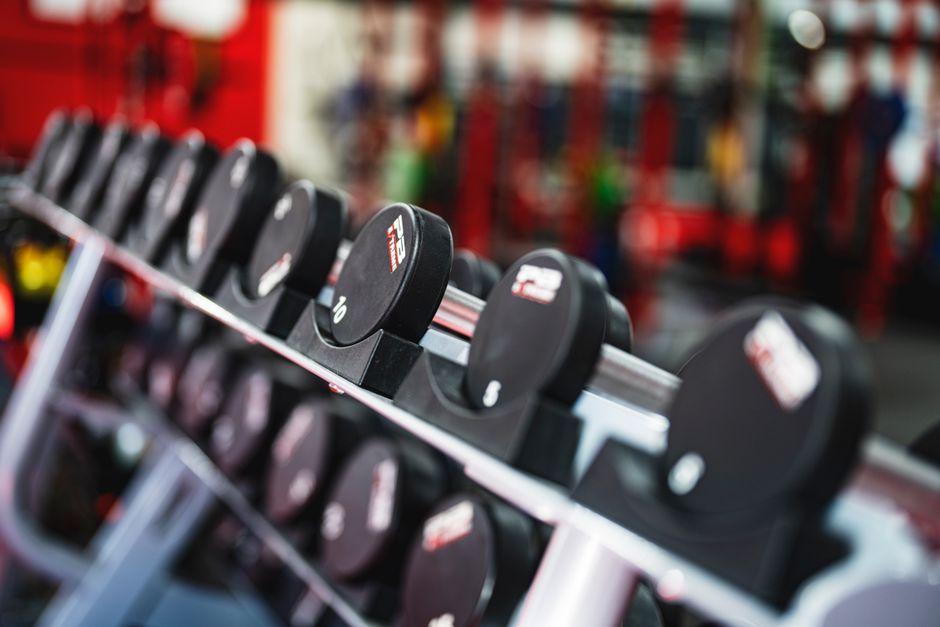
In most small building gyms, one or two pieces of equipment get monopolized by individual residents. The bench, the squat rack, the rowing machine. Someone uses it for forty-five minutes while others wait for everything that depends on it.
This is bad etiquette. Even if no one explicitly asks you to move, extended use of one piece in a small shared gym signals lack of awareness of the others present.
The fix is to plan workouts that move through equipment rather than camping on one piece. A circuit-style workout (a few minutes here, then move) is much more shared-gym-friendly than a long session on a single machine. If you need a long session for a specific reason, off-peak hours are the right time.
The chalk, the supplements, the spills
Small messes accumulate in building gyms over time:
- Chalk. Some residents use lifting chalk for grip. The dust spreads. If your building gym allows it (some do not), use sparingly and wipe down the area when done.
- Supplements and powders. Spilled protein powder or pre-workout is sticky and hard to clean. Mix supplements in your apartment, not in the gym.
- Spills. Water bottles tip over. Sweat drips onto floors. Wipe up immediately. Do not leave for the next user.
- Trash. Empty wrappers, water bottles, towels. All go to the trash on your way out. Do not leave them on benches.
Each small mess is invisible to the person who made it. To the next resident, it is a clear signal that the previous user did not care about the space. Over time, multiple residents not caring turns a clean gym into a worn one.
The newer-resident grace
If you are new to a building gym, give yourself a few sessions to learn the local norms. Watch how others use the space. Notice what they wipe, where they return weights, how they signal availability.
Each building gym has slight variations. Some are more formal. Some are more casual. The first few visits are for absorbing the norm. After that, you become a contributing user rather than a learner.
Conversely, if you see a new resident making a small mistake (forgetting to wipe down, leaving weights out), the kind response is a gentle mention rather than a glare. “Hey, just so you know, we usually wipe down equipment here. Spray bottles are over there.” Said warmly, this onboards them quickly without embarrassment.
The peak-time conversation
If your building has a really crowded gym at peak times, a building-wide conversation about expanding hours, adding equipment, or creating a sign-up system might be warranted. This is a building-improvement suggestion (see the safety-improvement article) rather than a daily etiquette issue.
In the meantime, the workaround is to find off-peak windows. Most building gyms have empty stretches in the late morning, early afternoon, and very early morning. If you can shift your workout to those windows, you avoid the crowding entirely.
What keeps a shared gym working
A small building gym used well is one of the great underrated apartment amenities. You can keep up a basic fitness routine without a gym membership, without leaving the building, with neighbors you know. The whole arrangement only works if residents respect the shared nature of the space.
The residents who make a building gym work are the ones who wipe down equipment without being asked, return weights, keep calls outside, and notice when others are waiting. The residents who slowly degrade the space are the ones who skip these. The difference is not effort. It is awareness.
The next time you use your building gym, run a quick mental check. Did you wipe down? Did you return everything? Did you respect the timing? Are you about to leave the space better than you found it? Five small questions, done consistently, are most of what shared-gym etiquette requires. The building improves quietly. So does your standing with the neighbors who notice.
Frequently asked
What if the gym is always full when I want to use it?
Find off-peak windows. Most gyms have empty stretches in the late morning and early afternoon. If those are impossible for your schedule, raise the issue with building management about possible expansion or sign-up systems.
Can I bring a guest to the building gym?
Usually no, or only with explicit guest passes. Most building gyms are for residents only because of insurance and capacity. Check your building rules.
Is it okay to work out in pairs?
Yes, if you respect the shared space. Two people working together can sometimes use less equipment than two separate users. Coordinate so you do not both use the most-demanded equipment simultaneously.
What should I do if equipment is damaged?
Report to building management immediately. Mark the equipment as out of service if no system exists. Do not use damaged equipment that could cause injury.
Related guides
 Shared Spaces
Shared Patios on a Hot Summer Evening
A shared patio on a hot summer night is a small social space with a lot of negotiation. A grounded…
 Shared Spaces
Mailroom Conversations: Small Rules That Help
The mailroom is a small social arena where the rules of conversation differ from other shared spaces. A grounded guide.
 Shared Spaces
Bike Rooms, Strollers, and Floor Politics
Bike rooms and stroller storage areas are small shared spaces with big political weight. A grounded guide for everyone involved.