Managing Mail and Packages When You Travel for a Week
A mailbox that overflows for a week is one of the clearest signals that nobody is home. Letters wedged in the slot, boxes stacking up by the door, a rolled newspaper going soft on the step:…

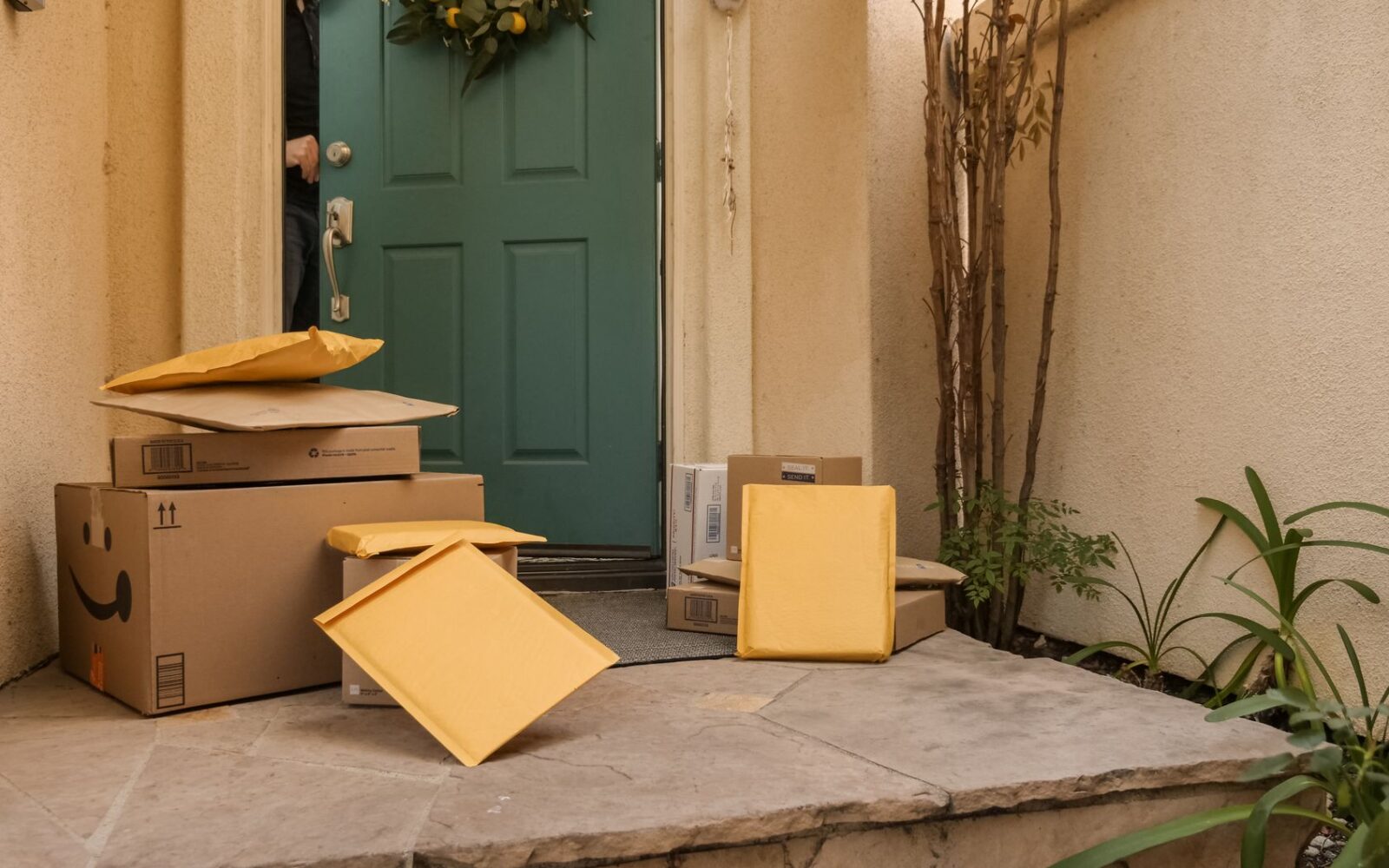
A mailbox that overflows for a week is one of the clearest signals that nobody is home. Letters wedged in the slot, boxes stacking up by the door, a rolled newspaper going soft on the step: each one quietly advertises your absence to anyone walking past. Managing your mail and packages before a trip is partly about not losing anything important, and partly about not turning your front door into a billboard. Neither problem takes much effort to solve. Both take a little planning in the days before you leave.
The week-long window is the awkward one
A day or two away rarely matters. Your mailbox holds a couple of days of letters without complaint, and most packages survive a single night on a step. A week is the point where the box fills, deliveries pile up, and the pattern becomes visible from the sidewalk.
It is also short enough that people skip the preparation they would automatically do for a month-long trip. That gap, a trip long enough to matter but short enough to feel casual, is where most avoidable problems happen. Treat a week away as worth ten minutes of setup.
Hold your mail before you go
The simplest fix for letter mail is to stop it at the source. In the United States, the Postal Service offers a free Hold Mail service that pauses delivery and keeps everything at your local post office for up to 30 days. You request it online, by phone, or at the counter, and you choose whether to collect the mail when you return or have it all delivered the next business day.
Request it a few days ahead rather than the night before. Same-day holds are not guaranteed, and the whole point is to have it in place before the first day you are gone. If you live outside the US, look for the equivalent from your national postal service. Many offer a similar hold or redirect option for a set number of days, sometimes free and sometimes for a small fee. The mechanics differ, but the idea is the same: nothing accumulates in a box while you are away.
Turn on a way to watch your mail remotely
Stopping the mail is better when you can still see what would have arrived. In the US, the Postal Service runs a free feature called Informed Delivery that emails you grayscale images of the letter-sized mail headed to your address, along with a list of incoming packages. It works whether or not you have a hold in place.
The value while traveling is simple: if a check, a jury notice, a renewal, or anything time-sensitive shows up in the scan, you know about it that day and can decide whether it needs action before you get home. Set it up before the trip, not during it, since the sign-up involves a short identity check.
Reroute and pause packages, not just letters
A mail hold covers letters and the small items your postal carrier delivers. It does nothing for boxes coming from private carriers, so handle those separately. The major carriers all offer free account tools that let you see what is inbound and change how it arrives:
- UPS My Choice: reschedule a delivery, redirect it to a pickup location, or hold it at a UPS Access Point.
- FedEx Delivery Manager: place a vacation hold, redirect a shipment to a staffed location, or require a signature.
- Amazon: change the delivery date, send an order to an Amazon Locker or Hub counter, or choose a pickup point instead of your door.
Shipping to a locker or pickup point is often the cleanest option for a week away. The package waits somewhere secure, and nothing sits in a hallway or on a step where it can be taken or rained on.
Time your orders so nothing lands while you are gone
The easiest package to protect is the one that never arrives during your trip. In the week before you leave, look at what you have already ordered and check the delivery estimates. Anything due to land while you are away can usually be delayed, rerouted, or held.
Then resist placing new orders that will show up on an empty doorstep. Recurring shipments deserve special attention, because they arrive on a schedule you set months ago and stopped thinking about: meal kits, subscription boxes, pet food auto-orders, and pharmacy refills. Pause them or shift the dates so they do not deliver into an empty week.
The neighbor ask, done well
A neighbor collecting your mail and tucking your packages inside their door is the oldest solution here, and still one of the best. It works when the relationship already exists. This is one of the quiet returns on knowing your neighbors: you have someone to ask, and the request feels ordinary rather than like an imposition.
Keep the ask small and specific. Give them the dates, tell them roughly what to expect (a couple of packages, the usual mail), and leave an easy way to reach you. A house key is not required. Often all you need is someone willing to move a box off the step and hold it for a few days. If a friend will be staying over or stopping in while you are away, the same building security basics apply: they should lock up, not prop doors, and not let strangers tailgate in behind them. Offer to do the same when your neighbor travels, and the arrangement quietly becomes something you both rely on for years.
Lean on the building’s systems
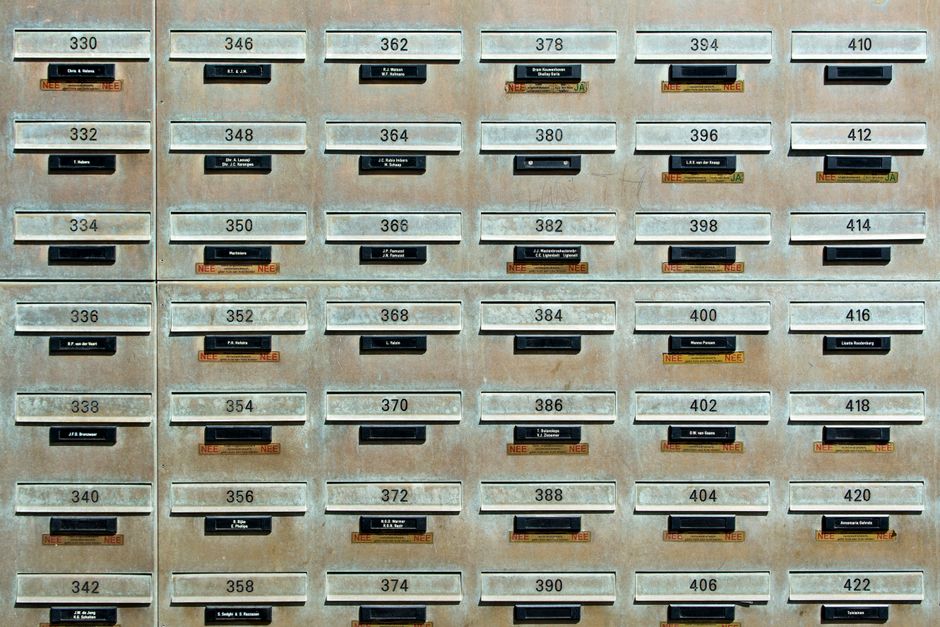
If you live in a building with a mailroom, a package room, or a front desk, your job is easier. Parcel lockers hold deliveries securely until you tap them open, which means a week’s worth of boxes can wait without anyone touching them. A staffed desk can usually accept and hold packages if you let them know you will be away.
A quick note to management or the front desk before you leave costs nothing and prevents a pile from forming in a shared space. Being the resident who communicates this, rather than the one whose parcels clog the counter, is a small part of good mailroom habits.
One caution: parcel lockers are not infinite. If a locker bank fills, later packages may get left in the open or sent back. For a full week of deliveries, holding or rerouting at the carrier level is more reliable than assuming the lockers will absorb everything.
Do not broadcast the trip
All of this planning is undone by a public countdown to your vacation. Posting your travel dates, or photos in real time from somewhere clearly not home, tells a much wider audience than the few people walking past your door that the unit is empty for the week.
You do not have to go silent. Simply save the photos and the trip recap for after you are back. If a delivery driver, a dog walker, or a building notice needs to know you are away, tell those people directly rather than announcing it to everyone who follows you.
Mail is one signal among several
Stopping the mail removes one sign of an empty home, but it is only one. A dark apartment every night, a box left for days, and an online announcement of your trip all tell the same story. The goal is not paranoia. It is simply not stacking obvious signals on top of each other.
A couple of lights on inexpensive timers, a neighbor who glances at your door, and no accumulating mail together make a unit look lived-in. That combination does more than any single lock. Package theft, when it happens, tends to target the easy and the obvious, so removing the obvious part is most of the work.
When you get back
Give yourself a short catch-up routine on the day you return. Release the hold or pick up your mail, and open Informed Delivery or your carrier accounts to confirm that everything you expected actually arrived. Compare what shipped against what is in your hands.
Sort the mail promptly rather than letting it become a second pile on your own table. Watch specifically for anything with a deadline: bills, checks, insurance or government notices, and renewals. Those are the items where a week of delay occasionally turns into a real cost, and they are easy to miss in a stack of catalogs.
When something goes wrong
Sometimes a package shows as delivered while you were away and is nowhere to be found. Check the locker, the front desk, and with the neighbor who was helping, and give it a day, since drivers occasionally scan an item as delivered slightly early. If it truly did not arrive, contact the seller or carrier within their claim window. Many sellers, Amazon included, will refund or replace a package that never reached you.
If a hold started late and mail piled up anyway, sort it the same day and act on anything time-sensitive first. And if you missed a delivery that required a signature, such as a medication or a document, use the carrier’s tools to schedule redelivery or a pickup rather than assuming it is lost. Most problems from a week away are small and fixable, as long as you deal with them in the first day or two back rather than letting them sit.
Frequently asked
How far ahead should I set up a mail hold?
A few days is safest. Online requests are not guaranteed to start same-day, so put the hold in place before your first day gone. Package reroutes through carrier accounts can usually be done anytime before an item is out for delivery.
Is USPS Hold Mail free, and how long can it last?
Yes, it is free and holds mail for up to 30 days. You choose whether to collect everything at the post office when you return or have it delivered the next business day. Services in other countries vary, so check your national postal provider.
A package shows delivered but I cannot find it after my trip. What now?
Check the locker, front desk, and any neighbor who helped, and wait a day, since drivers sometimes scan early. If it still has not turned up, contact the seller or carrier within their claim window. Many, including Amazon, will refund or replace it.
Should I use carrier tools or just ask a neighbor?
Both, ideally. Carrier holds and lockers are reliable for boxes and need no favors. A neighbor adds flexibility for letters and anything unexpected, and gives your door a set of eyes. Combining them covers more than either does alone.
Does stopping my mail actually make my home safer?
It removes one visible sign that nobody is home, which matters, but it is not a guarantee on its own. Pair it with a couple of light timers and not posting your trip in real time, and an empty unit stops looking empty.
Related guides
 Community Safety
When You See Something That Feels Off: A Pause Before the 911 Call
A 911 call has real consequences. A brief pause before making the call helps match the response to the situation.…
 Community Safety
Cameras at Home, Without Making the Neighbors Uncomfortable
Home cameras are useful when handled carefully and uncomfortable for everyone when they are not. A grounded guide to keeping…
 Community Safety
Why Loud Hallways Sometimes Mean Safer Hallways
A quiet hallway feels safe but a hallway with normal life sounds is often the safer one. A grounded look…