Mailroom Habits That Make You a Quiet Favorite
The mailroom is one of the few places where everyone in the building eventually meets. The habits that make you a favorite are simpler than people think.


Every apartment building has a few rooms where the residents quietly take measure of each other. The lobby is one. The laundry room is another. The mailroom, in most buildings, is the most common one. It is small. It is busy. Almost everyone passes through it most days. And, in my experience across five buildings, it is where you can build or lose a surprising amount of goodwill with very little effort.
The mailroom is also one of the few places in an apartment where small mistakes are highly visible. A package left in the wrong spot, a flyer dropped on the floor, an open mailbox left ajar. Each of these is a small piece of information your neighbors collect about you. The good news is that the habits that make you a quiet mailroom favorite are simple, low-effort, and add up quickly.
The basics, said out loud
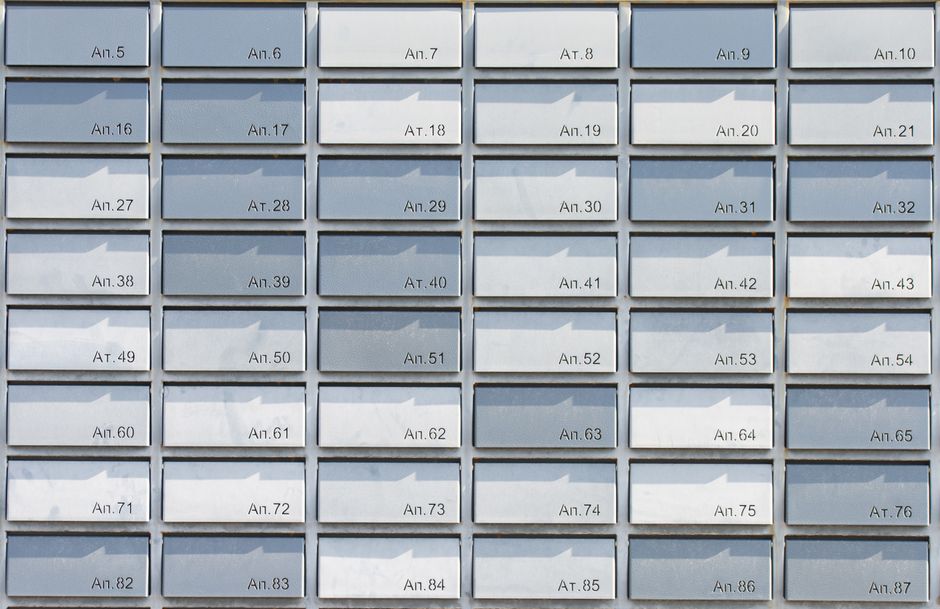
The basics are obvious in theory and ignored in practice. Take your packages and your mail when you come down for them. Do not pile up uncollected packages for weeks. Do not block walking paths with your boxes while you sort through them. Close your mailbox when you are done. Pick up the flyers that fall on the floor, even if they are not yours.
None of these require effort. All of them are skipped regularly by neighbors who are in a hurry or tired or simply not paying attention. Doing the basics consistently puts you in a small minority. Within a few months, building staff and other residents will start associating you with the well-kept mailroom even if neither of you can articulate why.
How to handle a misdelivered piece
When you find someone else’s mail or package in your box or at your slot, the polite response depends on the situation. For a small misdelivered letter, you can leave it on top of the mailbox bank or hand it to the building staff. They will route it correctly.
For a misdelivered package, the right move is usually to walk it to the right unit yourself (covered in the package returns article). For a misdelivered piece of mail with a sensitive look (a check, a legal envelope, a personal letter), do not leave it in the open area. Take it personally to the correct unit, or to the front desk, or note the situation to staff in person.
Never open someone else’s mail, even by accident. If you open something and realize partway through that it is not yours, stop, reseal as best you can with a piece of tape, and write a brief note on the envelope explaining the mistake. The neighbor will appreciate the honesty and most people understand that things happen. Reference: the U.S. Postal Inspection Service, which investigates federal mail-tampering offenses.
Package size etiquette
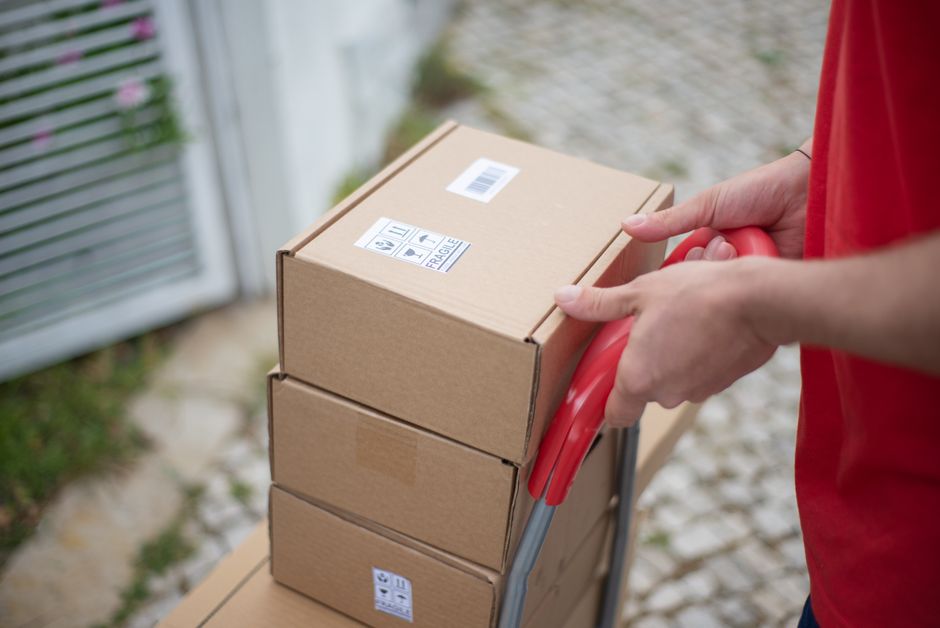
Apartment package volume has grown enormously in the last decade. A typical mid-sized building processes hundreds of packages per week. The mailroom becomes a triage zone. Your habits affect how the room functions for everyone.
If your package is very large, retrieve it within a day. Large boxes take up disproportionate space on the shared shelves. Building staff will sometimes leave them in odd locations because they cannot fit anywhere else, and the room becomes harder to use for other residents.
If you receive many packages, consider patterns. Schedule deliveries to days when you are home. Use a package locker if your building has one. Consolidate orders to reduce delivery frequency. Each of these reduces strain on the building’s capacity and reduces the small annoyances that build up among neighbors.
A package that sits in the mailroom for a week is visible to every neighbor who walks past. They notice. Staff notice. By the second week, your package has become a small piece of evidence that you are not actually using the building well. Set a phone reminder if you forget. Collect packages within 48 hours where possible.
The mailroom as a social opportunity
The mailroom is also a small, low-stakes social venue. You will eventually run into every neighbor in the building. A short hello, a glance up from your mail, a small smile. These cost nothing and accumulate into a building-wide recognition.
If a neighbor is struggling with a big package, offering to help is a small gesture that lands disproportionately. “Want a hand getting that to the elevator?” is the kind of small offer that the receiving neighbor remembers for years.
Avoid the mailroom monologue. Some residents use the mailroom as a place to vent to the building staff or to other neighbors about issues with packages, building rules, or other residents. The staff are trapped (they cannot leave the mailroom while doing their work). The other residents are trying to grab their mail. Keep mailroom conversations short and warm.
Package theft and the mailroom
If your building has package theft issues, the mailroom is the front line. A few habits help everyone:
- Do not announce expensive deliveries to other residents. The casual mention can travel.
- Do not leave packages in the mailroom overnight if you can help it.
- If you see someone in the mailroom who does not look like a resident and is browsing packages, mention it to staff in a calm tone.
- If your building has cameras, do not assume they are functional. Some are decorative. Treat the room as if it is unmonitored.
- For high-value items, consider a package locker, an Amazon Hub, or delivery to a workplace.
If theft happens, report it to the building and to the delivery service. Avoid public accusations. Sometimes what looks like theft is a misdelivered package that turns up in a neighbor’s spot. Patience and verification before accusation matters here. Reference: the Postal Inspection Service’s guidance on preventing mail and package theft.
Building staff as quiet allies
The relationship with building staff in the mailroom is one of the most undervalued in apartment living. Doormen, supers, and front-desk staff handle the mailroom for hundreds of residents. They notice who is kind, who says hello, who keeps the space tidy. They also notice who treats them as a service rather than as people.
Small habits build the relationship. Use their name when you know it. Say thank you when they hand you a package. Notice when they have been there a while. Avoid asking them to make exceptions for you. The staff member who likes you is the one who will quietly find your missing package when it gets logged under the wrong unit.
A small gesture during holidays (a card, a small gift, a heartfelt thank-you) is appreciated, although optional. If your building has a holiday tipping tradition, participate at the level you are comfortable with. The relationship pays dividends throughout the year.
The note that no one writes
The mailroom occasionally has issues that no one quite addresses. Packages stacked everywhere. Mail that has been on the floor for weeks. A trash bin that is overflowing. Most residents notice but do not say anything.
If you are the kind of resident who will say something, do it kindly and through the right channel. A short email to building management identifying the issue and offering to help if needed often resolves it quickly. Management appreciates the heads-up. Most issues exist because no one has flagged them, not because the building does not care.
The accumulation that matters
Mailroom etiquette is the kind of building habit nobody mentions until someone breaks it. The benefit is invisible. You do not get praised for closing your mailbox or for picking up a fallen flyer. But over months, the cumulative effect is real. Building staff know your name. Neighbors smile when they see you. Misdelivered packages get noticed and brought to you because someone remembered you returned theirs last month.
This is the texture of community living. It is built in small daily moments in rooms most residents barely notice. The mailroom is one of those rooms. Treat it well, and the building treats you the same way back.
Frequently asked
How long should a package sit before I retrieve it?
Within 48 hours is the polite range. Many buildings explicitly request packages not sit longer than three days. Always retrieve large items quickly because they consume shared space.
What should I do if my mailbox is broken?
Report it to building management or the post office. Do not leave the broken box open or marked for long. Compromised mailboxes affect your security and your neighbors' confidence in the room.
Is it okay to use someone else's box if mine is broken?
No. Use the front desk, a temporary hold at the post office, or building management. Using another resident's box is a privacy and trust violation.
Should I tip building staff at holiday time?
It is appreciated in many buildings and is part of the local culture in some cities. The amount varies widely. Ask other long-term residents about the building's norm if you are unsure.
Related guides
 Apartment Living
The Real Reason Your Walls Sound Thin (and What Helps)
Most apartment walls are not as thin as they feel. The sound is coming through specific weak points, and identifying…
 Apartment Living
How to Check an Apartment for Bedbugs Before You Sign
A bedbug problem is far easier to avoid than to end. Once an infestation is established in a unit, treatment…
 Apartment Living
Keeping a Small Apartment Warm in Winter Without a Huge Bill
A small apartment has one real advantage in winter: there is less air to heat. The trouble is that most…