Storage in Six Hundred Square Feet, Without the Hacks
Real small-apartment storage is less about clever furniture and more about owning less stuff. The internet hacks are mostly aesthetic. The actual fixes are quieter.

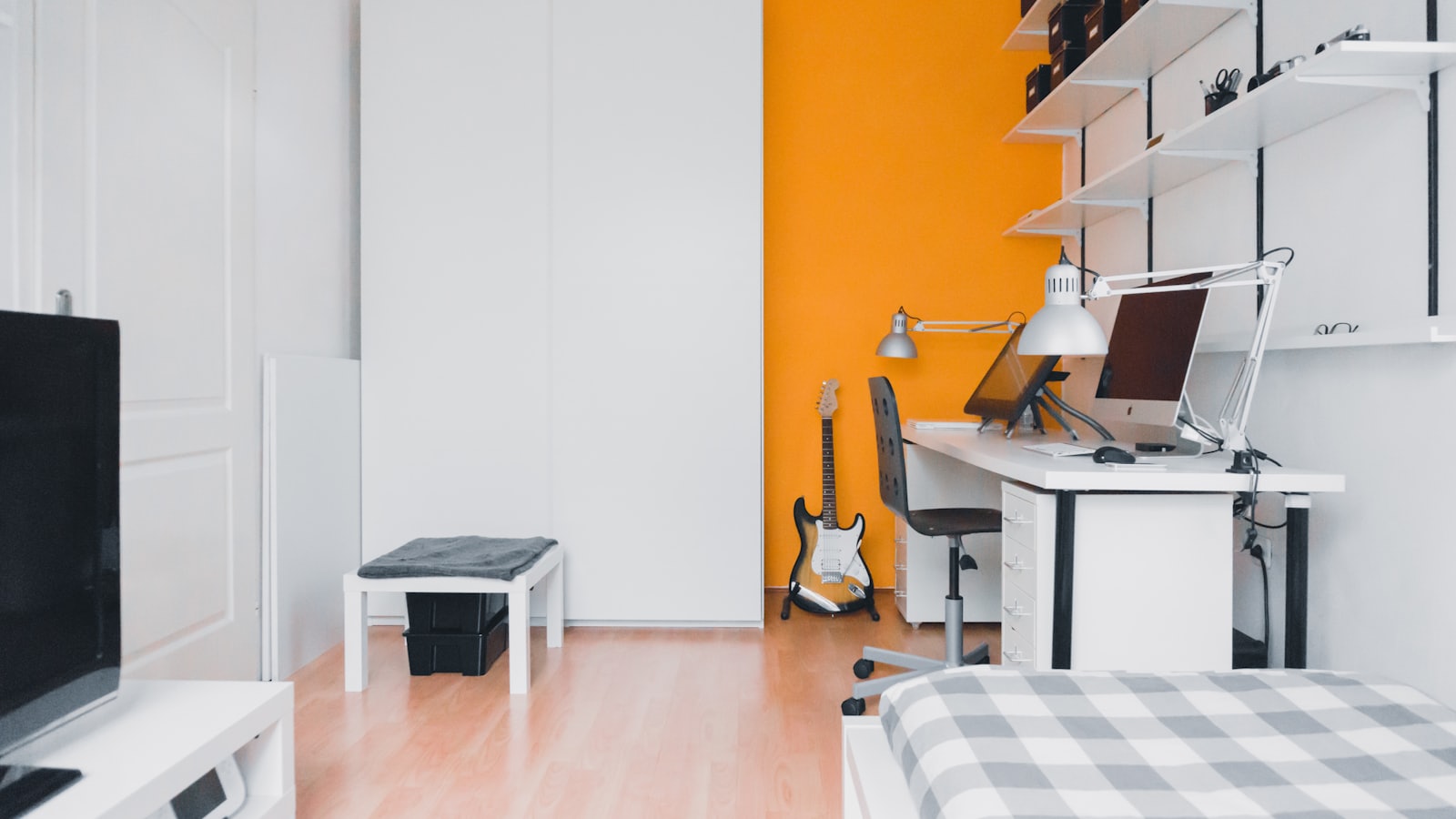
A small apartment invites a particular kind of shopping: hidden-storage ottomans, over-the-door racks, under-bed bins, magnetic spice strips, vertical shelves, a dish drying rack that mounts inside a cabinet. Each is clever on its own. Together they turn an apartment into a series of small puzzles. The clutter is hidden, but it is not gone. The small apartments that feel genuinely spacious are not the ones with the best hacks. They are the ones with less stuff in them.
This is the unglamorous truth of small-apartment storage. The internet has built an industry around clever shelving and concealed compartments. The real lever is owning less. Most of the storage problems people try to solve with furniture are problems that disappear when about 25 percent of the stuff in the apartment goes.
The cull, by category
If you have a storage problem in a small unit, do not start with shelves. Start with a category cull. Pick one category at a time. Books. Kitchen tools. Clothes. Bath products. Cables and electronics. Towels and linens. Office supplies. Decor. Each gets its own session.
For each category, ask the same question: when did I last use this, and would I miss it if it were gone? Most items that have not been touched in six months can leave without consequence. The exceptions are seasonal items (winter coats, holiday decorations), legal documents, and a few items of sentimental value. Almost everything else is candidate.
The trick is to do this in small, contained sessions. A full apartment purge in a weekend is exhausting and produces mediocre results. A 30-minute session on a single category once a week, repeated for a few months, slowly reshapes what you own. By the end of the process, the apartment has noticeably more room without having added a single piece of furniture.

The 30-day box
For items you are unsure about, the 30-day box is a useful tool. Anything you cannot decide about goes in a box, labeled with the date. The box goes in a closet or under the bed. If you do not open the box for the things inside within 30 days, the entire box leaves the apartment unopened. You will not miss anything, because you did not need anything from it for a month.
This eliminates the decision paralysis that ruins most decluttering attempts. You do not need to decide today whether you want to keep the thing. You just need to put it in a box and let the next 30 days decide.
Where stuff actually accumulates
Stuff accumulates in predictable categories:
- Books. The category that grows fastest, especially for readers. A library card replaces a substantial portion of book ownership for most people.
- Kitchen tools. Most kitchens contain 30 percent more cookware, gadgets, and small appliances than the resident actually uses. A single good pan, a single good knife, and a workable set of bowls cover most actual cooking.
- Clothes. Most closets hold a “real wardrobe” of about 20 percent of the items, with the rest worn rarely or never.
- Bath and beauty. Half-used products accumulate especially fast. A single 30-minute purge of expired products opens a surprising amount of shelf space.
- Cables and electronics. Old chargers, cables for devices you no longer own, broken headphones in a drawer.
- Decor. Items bought during a previous design phase that no longer match the current apartment’s vibe.
Each of these is its own cull session. Each removes a few cubic feet from the apartment. Together, they often remove enough volume to make the unit feel like a different place.
Open your cable drawer. For each cable, identify the device it connects. If you cannot identify the device within ten seconds, the cable goes. This single test usually empties a substantial percentage of the drawer. Reference: the EPA’s guide to electronics donation and recycling.
Where storage furniture actually helps
After the cull, some storage furniture is still useful. The pieces that pay off in small apartments tend to be:
- A small bookshelf. Even if you have culled books, the ones you keep deserve a real home. A six-foot bookshelf holds a meaningful collection without dominating the room.
- A bed with under-bed storage. Either a frame with built-in drawers or a frame tall enough to fit shallow bins underneath.
- One ottoman or bench with hidden storage. Not three. One. For blankets, board games, or seasonal items.
- A coat rack or hooks by the door. Daily coats, bags, and umbrellas go here, freeing closets for less-frequent items.
- A small filing cabinet or document box. For papers that must stay. Tax documents, leases, IDs, important records.
Notice the list is short. Most small-apartment storage problems can be solved with fewer than five additional pieces of furniture, plus a thorough cull. The over-the-door racks, the in-cabinet shelves, the under-shelf hooks, are usually solutions to problems that should not exist.
Closets as decision-makers
Closets in small apartments do triple duty. They store clothes. They store linens. They sometimes store off-season gear. The closet is also one of the few places where vertical space is reliably useful, because the closet is enclosed and the visual chaos does not affect the rest of the room.
The simplest closet improvements are these: a second rod hung halfway up the existing rod, which doubles hanging space for shorter items. A few stackable shelves at the bottom of the closet for shoes or boxes. A small hanging shelf system attached to the existing rod for sweaters or folded shirts.
For renters, these can usually be installed without modification to the closet itself. They come down at move-out without leaving marks.
The visible-clutter rule
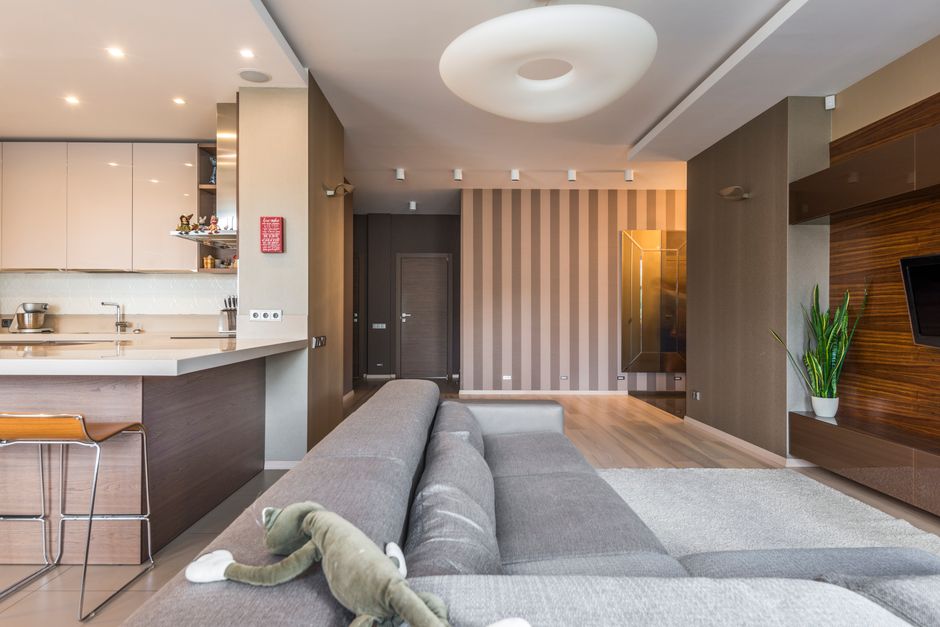
A small apartment that feels spacious follows one rule above almost any other: the visible clutter is minimized. The things you see when you walk into a room shape the feeling of the room more than the actual volume of stuff.
This means putting visible items into closets, drawers, or covered storage. The coffee table holds one or two items, not seven. The countertop holds a kettle and maybe a small plant. The dresser top has a single tray with a few daily items.
Behind the closed doors, you can have more stuff. The visible clutter is what your brain registers when assessing the room’s feeling of openness. Reducing it transforms perception.
The donation routine
To keep a small apartment functional, the items leaving need to keep pace with the items arriving. Most homes accumulate slowly through gifts, purchases, and life changes. A donation routine prevents the slow re-accumulation.
A simple system: a donation bag in a closet. When you encounter an item you no longer need, it goes in the bag. When the bag is full, you take it to a donation center. The bag is small enough not to feel like a project. It is consistent enough to keep the apartment cleared.
The same applies to sales. If you want to sell items rather than donate them, set a time limit. If the item does not sell within 30 days, it goes to donation. This prevents the “I will sell it eventually” stack that quietly grows in a closet for years.
What the cull actually buys
The benefits of owning less in a small apartment are larger than the storage problem itself. Cleaning takes less time. Moving becomes easier. Decision fatigue around what to wear or what to use drops. The apartment looks like a curated home, not a storage unit you also sleep in.
Most importantly, the apartment starts to feel calmer. Small rooms with less stuff are restful. Small rooms with more stuff are oppressive, no matter how cleverly the stuff is arranged. The shelves and hacks can hide stuff. They cannot reduce its psychological weight.
This is the unglamorous answer that the storage industry will not advertise. The best small-apartment storage system is the one that has less to store. Spend the weekend you would have spent on Container Store organizers culling instead. The apartment will look more spacious, feel calmer, and need a fraction of the special furniture other guides recommend.
Frequently asked
How do I decide what to keep in a sentimental category?
Keep the few items that carry the strongest meaning. Photograph the rest and let them go. A photo preserves the memory at zero storage cost.
Are vacuum-bag storage systems worth using?
For seasonal items like winter coats and bedding, yes. They compress bulky items significantly. For everyday items, no, because you would not bother to retrieve them through the vacuum process.
How often should I do a cull?
Twice a year is a reasonable cadence. Spring and fall align well with seasonal wardrobe rotation. More often if you have a lifestyle change that brings in new things.
What if my partner does not want to cull?
Cull your own things first. The results often inspire the partner to follow without being asked. Avoid culling their items without their explicit involvement.
Related guides
 Apartment Living
Your First Apartment Walkthrough: A Calm, Honest Checklist
The move-in walkthrough is the single most important hour of your tenancy. A grounded, room-by-room checklist that protects your deposit…
 Apartment Living
Living Above Someone: Floor Sound and the Habits That Soften It
Living above another unit means every step, drop, and chair scrape lands in someone else's living room. A grounded look…
 Apartment Living
The Realistic Way to Compost in a Small Unit
Composting in an apartment is realistic, clean, and surprisingly low-effort with the right system. A grounded look at the options…