The Trash Chute Rules No One Tells You
The trash chute is one of those small building systems where doing it wrong is invisible to you and obvious to everyone else. A practical guide.

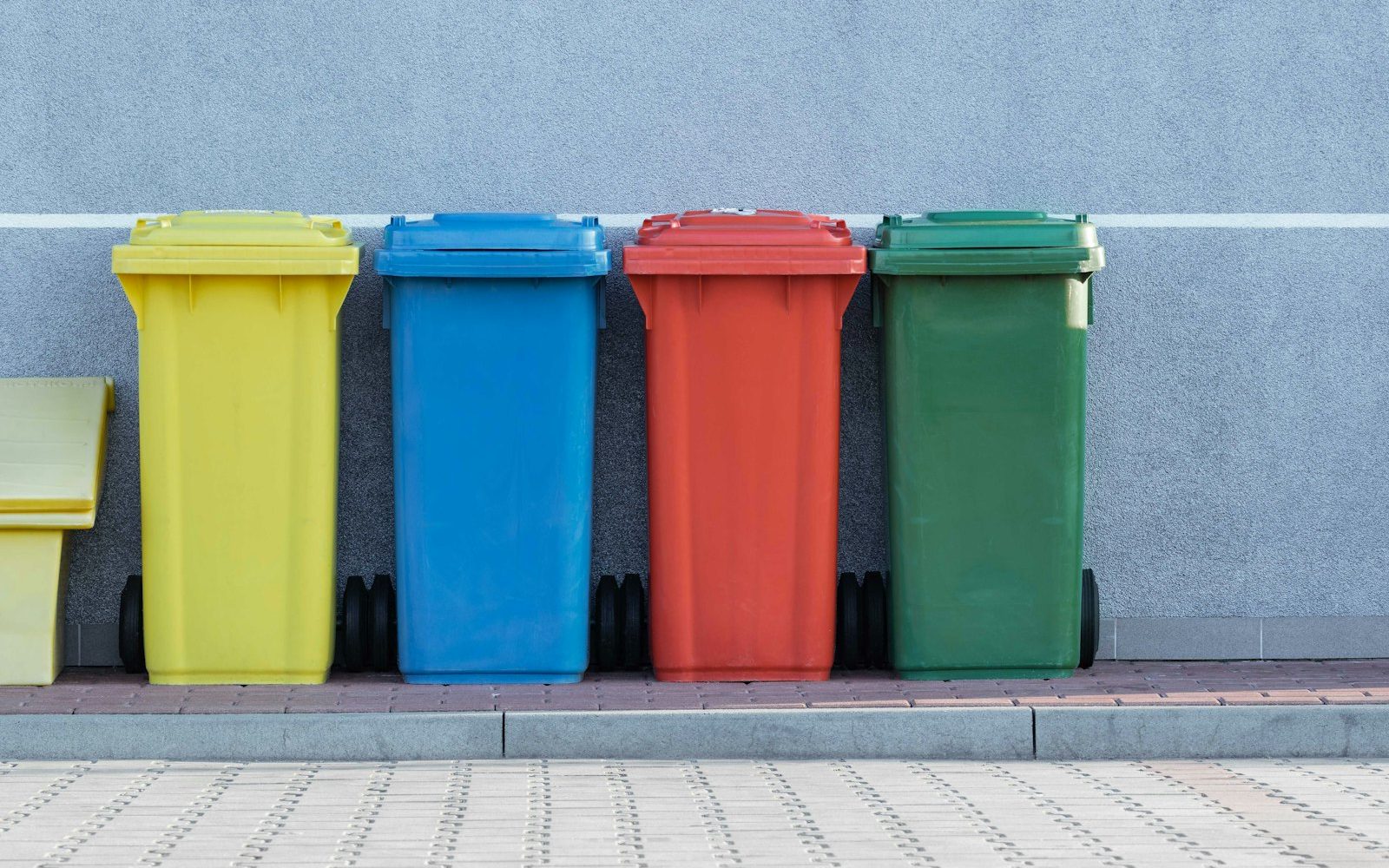
The chute is one of those small building systems where doing it wrong is invisible to you and obvious to everyone else. Here is what the rules actually are, and why they matter more than they sound like they should.
The bag size question
Most trash chutes are sized for a standard kitchen trash bag, around 13 gallons. A bag larger than that can get stuck partway down, jamming the chute for everyone above and below you. The jam usually requires building staff to clear, often with some unpleasantness.
The rule, in most buildings, is one bag at a time, full but not overfull. Tie the bag tightly. Do not push it through the chute door. Let it drop. If you have to push, the bag is too big. Pull it back out and split it into two.
Multiple smaller bags are always better than one larger bag. The chute is designed for the smaller size. Splitting your trash into two thirteen-gallon bags is faster than dealing with a jammed chute that affects every resident above you for several hours.
What does not go in the chute
The chute is for general household trash, tied tightly in a bag. It is not for several categories that residents try to put down anyway:
- Cardboard boxes. Even folded, they catch on the chute walls and create jams. Cardboard goes to the recycling area or the building’s designated drop-off.
- Hangers. Wire hangers especially. They catch and tangle in the chute mechanism. They go to the recycling or donation.
- Loose items. Anything not in a bag (a single old shoe, a bottle, a yogurt cup) creates spillage and clogs the chute. Always bag.
- Hot items. A pan with grease still warm. Charcoal that has been used recently. These are fire risks in the trash compactor below.
- Sharp items. Broken glass, exposed razor blades. These can puncture the bag in the chute and create dangerous spills for building staff. Wrap sharp items in cardboard or place in a separate puncture-resistant container before bagging.
- Wet, heavy items. Old paint cans (full or empty), heavy liquid containers. These can break through the bag mid-fall and contaminate the chute.
- Hazardous waste. Batteries, chemicals, paint, fluorescent bulbs. These have specific disposal channels.
Most buildings have signs in the trash room outlining what is allowed and what is not. The signs are not decorative. The list reflects actual problems the building has encountered.
The smell question
The trash chute is shared. Smells from one resident’s trash can travel up or down to other floors. The fix is at your bag stage, not the chute.
For food waste, double-bagging containers with strong smells (fish, citrus, very pungent leftovers) before adding them to the main trash bag dramatically reduces transmitted smell. Tying the bag tightly also matters. Many residents loosely knot their bags. A double-knot or a twist-tie creates a much better seal.
If your unit produces a lot of food waste, run the chute trip more frequently. A bag taken down every two days, well-tied, beats a bag held for a week in the apartment.
Particularly pungent food waste (raw chicken trimmings, fish heads, citrus peels) can sit in a freezer bag in the freezer until you are ready to take out trash. Frozen scraps do not smell. The bag goes from freezer to chute on trash day.
The time-of-day question
The chute is loud. A heavy bag falling through five or ten floors of metal chute creates a low boom that residents on intermediate floors can hear, especially at night. Most buildings have informal rules about when the chute should be used.
Daytime use is unrestricted. Most people use the chute between 7 in the morning and 10 in the evening. Late-night use (after 11) is technically allowed in many buildings but is the kind of thing the residents near the chute will notice if it happens repeatedly.
If you find yourself wanting to use the chute at 1 in the morning, hold the bag in your kitchen until morning. The smell control of a tightly-tied bag is enough to last overnight. Your neighbors near the chute will appreciate the consideration.
The trash room itself
Most buildings have a small room for the chute, recycling bins, and a few other receptacles. The room is shared and quickly becomes a reflection of how residents handle small public spaces.
Clean habits in the trash room:
- Take only what you brought. Do not look at others’ garbage.
- Put recycling in the recycling bin, not the chute.
- If you drop something, pick it up.
- If the chute is full, do not leave your bag on the floor. Bring it back to your unit and try later. Bags on the floor attract pests and look bad.
- If the trash room is overflowing, mention it to building staff. They cannot fix what they do not know about.
- Wash your hands when you return to your apartment. The chute door, the doorknob, the elevator buttons after the trash room are surfaces worth washing off.
The chute jam
If the chute is jammed, do not push your bag in. The jam is usually a bag that has stopped partway down the chute and your bag will only worsen it. Tell building staff. They have the access to clear the jam properly.
Some buildings have a posted notice when the chute is closed for cleaning or maintenance. The notice usually directs residents to a specific alternative (sometimes the building’s ground-floor garbage room). Follow the notice, even if it means a longer walk.
The chute closure can last several hours. During that window, holding your trash in your unit is much better than depositing it in the chute on top of an active jam. Adding to the jam means staff has to clear more before service resumes.
Recycling, separately
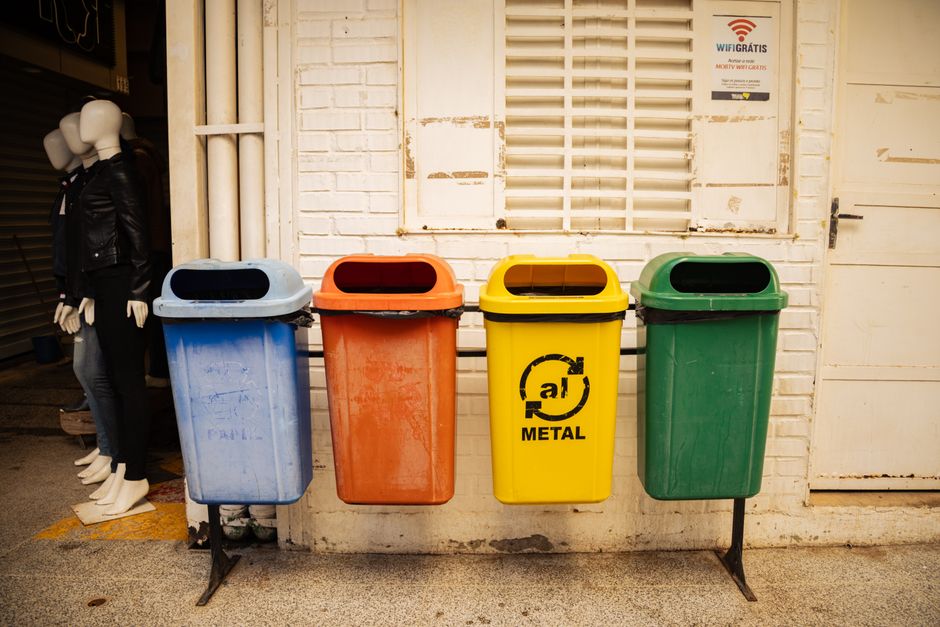
Recycling rules vary widely by building and city. Most buildings have a separate area or bin for recycling. Some have multiple streams (paper, plastic, glass, metal). Some have a single mixed-recycling stream.
Know your building’s system. Cardboard usually goes in a specific area. Loose paper goes in a separate bin. Glass and plastic mixed in the third. Hangers, batteries, electronics, and other special items have their own channels that may not be in the trash room at all.
The cost of getting recycling wrong is small for any individual mistake but real over time. Contaminated recycling streams (food residue, wrong materials) can be downgraded to trash by the city processor, which defeats the point. Quick rinses of food containers before recycling them is a small habit that protects the building’s entire recycling stream. Reference: the EPA’s recycling basics overview.
The big things
Furniture, large appliances, and bulky items do not go in the chute. Each building has its own process. Most require scheduling a pickup with the building or arranging it through the city’s bulk waste service.
Putting bulky items in the trash room without prior arrangement is one of the small actions that quietly upsets building staff and other residents. The item sits in the room for days. The trash room fills up. The staff has to deal with it eventually, often without thanks. A short email to building management with the date and item is the right step.
The cumulative effect
The chute is a small piece of building infrastructure. Used well, it is invisible. Used poorly, it becomes the source of friction with neighbors and staff. The rules are mostly common sense once they are written down. The good habits add a quiet layer of building citizenship that other residents and staff notice, even if no one mentions it. The neighbor known as the resident who never causes a jam, who never leaves a bag on the floor, who never blocks the recycling stream, becomes the kind of resident the building quietly trusts. The chute, mundane as it is, is one of the places that trust is built.
Frequently asked
What if my bag breaks in the chute?
Tell building staff immediately. They will clean the chute and may need to clear a partial blockage. Apologize sincerely. Most staff are forgiving when residents own up quickly.
Can I put liquids down the chute?
Only fully sealed in a bag, and only small amounts. Larger volumes (a half-full bottle, leftover liquids from cooking) should be drained into the sink first. Liquid in a bag can break the bag mid-fall.
What if the chute door is broken?
Do not force it. Use an alternative if available, and tell building staff. A broken chute door can be a fire safety issue (the doors are designed to keep fires from spreading).
Is it okay to put diapers in the chute?
Yes, in a tightly-tied bag, double-bagged for smell control. Diapers are normal household waste and the chute handles them. Just bag well.
Related guides
 Apartment Living
A Renter’s Guide to Mold: How to Spot It, Report It, and Get It Fixed
Mold in a rental is one of those problems that feels alarming the moment you notice it and confusing the…
 Apartment Living
Renting With a Pet: Building Reality Versus Listing Promises
A "pet-friendly" apartment listing is rarely the whole picture. A practical guide to the realities of renting with a pet…
 Apartment Living
How to Hang Things on a Plaster Wall Without Losing Your Deposit
Hanging art and shelves in a rental does not have to be a deposit-risking gamble. A grounded guide to the…