Trash Rooms: The Forgotten Etiquette
The trash room is the shared space residents use most often and pay attention to least. The etiquette there is small and surprisingly impactful.


The trash room is the shared space residents use most often and notice least. The etiquette there is mostly unwritten because nobody wants to write about trash. But the small habits in this room shape the building experience more than residents realize. Here are the patterns that matter.
The basics that everyone knows but few practice
The basics of trash room use are obvious in theory and inconsistent in practice:
- Bags should be tied tightly before being deposited.
- Trash goes in trash bins. Recycling goes in recycling bins.
- Spills get cleaned up by the person who spilled them.
- The door closes behind you, not propped open.
- Bulky items do not go in the regular trash unless arranged with management.
- Anything that does not belong in trash or recycling (electronics, batteries, paint, hazardous materials) has its own disposal channel.
These are not strict rules. They are basic considerations. Each violation is small. Each correction is small. The cumulative effect on the room’s functionality is large.
The chute vs. the room
If your building has a trash chute on each floor, most trash goes there. The trash room is for items that do not fit in the chute, for recycling, and for special disposal.
If your building does not have a chute, the trash room handles everything. The volume is higher. The etiquette gets more important.
Knowing your building’s system shapes how you use both spaces. The trash chute article covers chute-specific habits. The trash room habits in this article apply to everything that goes in the room itself.
An untied or loosely-tied bag tends to spill. Spills create smell, attract pests, and create work for building staff. A quick double-knot or twist-tie costs nothing and prevents most trash-room messes. Make it automatic.
The recycling separation
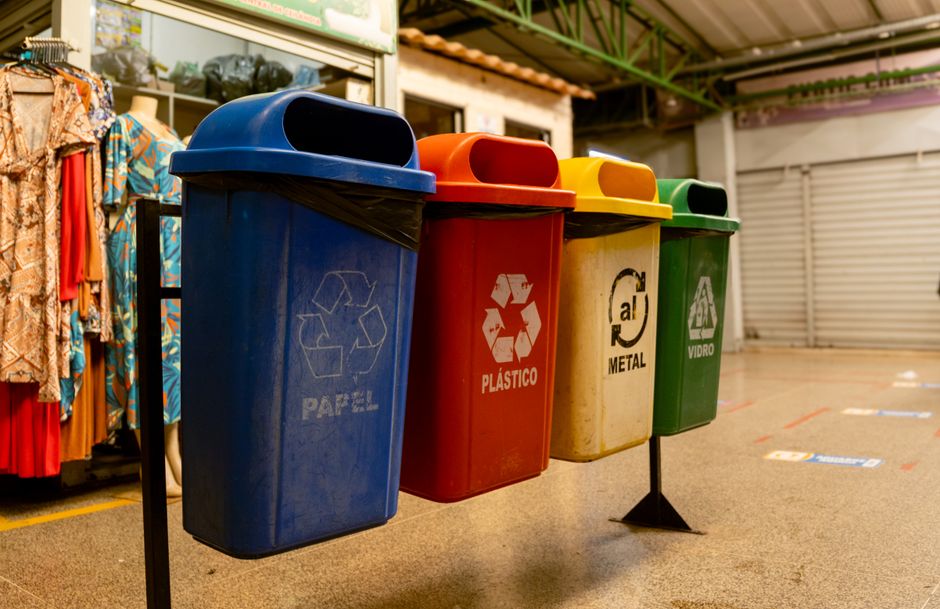
Recycling rules vary by city and building. Some require strict separation (paper, plastic, glass, metal in separate bins). Others use single-stream where everything goes in one bin. Some accept compost. Some do not.
Learn your building’s specific rules. Posted signs in the trash room usually have them. If unclear, ask management.
Contaminated recycling (food residue on containers, wrong materials in the bin) often causes the entire load to be downgraded to trash. The point of recycling is defeated by careless contamination. A quick rinse of a container, removing food residue, and putting items in the correct bins protects the building’s recycling stream. Reference: the EPA’s recycling basics guidance.
The smell management
Trash rooms smell. This is unavoidable to some degree. Residents contribute by:
- Tying bags tightly so smell does not escape.
- Bagging strong-smelling waste (fish bones, citrus, etc.) double-bagged.
- Not leaving overripe food in the open recycling bin.
- Cleaning up any spills immediately.
- Reporting persistent smell issues to management.
Building staff manage the rest through regular cleaning, deodorizing, and bin maintenance. The resident contribution and the staff effort together keep the room tolerable.
The hands-clean exit
The trash room is one of the dirtier spaces in any building. The door handle, the chute door, the bin lids, the floor, all of these have surfaces that have been touched by many hands and many bags.
Wash your hands when you return to your apartment. Always. The trash room visit followed by a kitchen activity without hand-washing is a small hygiene failure that residents often skip without thinking.
Some residents keep hand sanitizer near the trash room door or in a pocket for trash trips. Either is fine. The point is to recognize that the room is dirty even when it looks clean.
The bulky-item conversation
The trash room is not for furniture, appliances, large boxes, or oversized items. Each of these has its own disposal channel:
- Furniture: arrange a building-coordinated pickup or city bulk waste pickup.
- Appliances: many cities require specific disposal for refrigerators, washers, etc.
- Large boxes: often a separate area in the recycling room, or break down and bundle.
- Electronics: e-waste channels, sometimes at hardware stores or recycling centers.
- Batteries: hardware stores, recycling centers, or building drop-off if available.
- Paint: hazardous waste collection events or specific recycling facilities.
Putting these in the regular trash room creates problems for building staff who cannot dispose of them through regular channels. They sit in the room. The room fills up. Other residents get frustrated.
If you have a bulky or special-disposal item, email building management before disposal. They will tell you the correct channel.
The shared bins consideration
Trash and recycling bins are shared. The way you use them affects every resident who comes after you:
- Do not overfill bins. If a bin is full, take your bag to another or back to your unit until pickup.
- Do not stuff a bag in a way that makes the lid unable to close.
- Do not leave bags on the floor next to a full bin. The floor bags attract pests and create access issues.
- Do not compact your trash with other bags. The friction of compressed bags can break them.
If you regularly find bins full, mention it to management. Pickup frequency may need adjustment.
The pet-waste question
Dog waste in trash rooms is allowed in most buildings but should be triple-bagged and tied tightly. The smell is much stronger than normal trash and the bag failure rate is higher.
Some buildings have specific pet-waste bins. Use them if available. If not, the regular trash bin with proper bagging is acceptable.
Cat litter is similar. Bag tightly. Some buildings prohibit disposal in trash chutes due to weight and smell; the trash room is then the right option.
The encounter etiquette
If you encounter another resident in the trash room, the etiquette is brief. A polite hello, deposit your bag, exit. The room is not a social space.
Hold the door for them if they are entering with bags. Wait until they have deposited if there is limited space. Move efficiently so others can use the space.
Do not linger in the trash room. The room’s smell and function make it a place residents want to be in for as little time as possible. Brief courtesy, then leave.
The maintenance moment
If you see the trash room in a poor state (chute blocked, bin overflowing, spill on the floor), do not just walk out. Take a photo if helpful. Tell building staff or management promptly. Most staff appreciate the heads-up because they can address it before more residents complain.
If the issue is minor (a piece of trash on the floor that could be picked up), the kind move is to pick it up yourself on the way past. Small contributions of this kind are appreciated by staff even when they go unmentioned.
Five habits and the staff they help
The trash room is the shared space that gets the least love and arguably needs the most. The building staff who clean it daily are the unsung infrastructure of apartment life. The residents who treat the room with the small considerations described here make their work meaningfully easier.
The next time you go to dispose of trash, run a quick check. Bag tied tightly? Right bin? No spills? Did you close the door? Are you washing your hands afterward? Five small habits, done consistently, are most of what trash room etiquette asks.
The room itself will continue to be a small, smelly, functional part of the building. The way you use it is one of the quieter forms of building citizenship. The next resident, the building staff, and the long-term cleanliness of the space all benefit from the small attention you bring to a room you would rather not be in for very long. That attention is the courtesy this overlooked room actually deserves.
Frequently asked
What if I see someone leaving bags on the floor instead of in bins?
Mention it to building management. Persistent issues require staff intervention. Direct resident-to-resident conversations about trash often go poorly.
Can I dispose of medications in the trash room?
No. Medications have specific disposal channels (pharmacy take-back, mail-back programs). Improperly disposed medications can be a safety and environmental issue.
Should I rinse all recyclables before disposal?
A quick rinse to remove food residue is enough. No need for thorough washing. Contaminated recyclables can spoil whole loads, so the rinse matters.
What about composting in apartment trash rooms?
Check building rules. Many cities now offer composting and some buildings participate. Where available, food scraps go in a separate compost bin. See the composting article for more on apartment composting options.
Related guides
 Shared Spaces
Laundry Room Etiquette, Beyond the Obvious
The shared laundry room has unwritten rules that most residents learn after breaking them. A grounded guide to the patterns…
 Shared Spaces
Bike Rooms, Strollers, and Floor Politics
Bike rooms and stroller storage areas are small shared spaces with big political weight. A grounded guide for everyone involved.
 Shared Spaces
Elevator Etiquette in a Building With Long Waits
Elevator etiquette is small in scope and compounding in effect. A grounded guide especially for buildings where the waits are…