The Quiet Power of Remembering a Name
Remembering a neighbor's name within the first few encounters is a kind of social magic that costs almost nothing and pays dividends for years.


Remembering the names of the people you live near is one of the smallest, most quietly powerful skills in shared living. It also feels harder than it should, especially when you meet many neighbors in the first few weeks of a new building. There is a working method, and it is more about the way you take in the introduction than about your underlying memory.
Why names matter more than we admit
Being called by name lands differently from being greeted generically. The neighbor who says “Hi, James” is not just acknowledging that you exist. They are signaling that they remembered something specific about you. That gesture is small enough to slip by consciously and large enough to register emotionally.
Over time, this small signal compounds. You start trusting the people who use your name. You start being more open to them. You also start, slowly, becoming the kind of resident who knows everyone, because using names invites others to use yours, which then makes the neighborhood feel populated rather than anonymous.
The neighbors who remember names are usually also the ones who get the late-night package favors, the temporary spare keys, the casual offers of help. The name is the entry credential. Everything else builds on it. Reference: Nolo’s neighbor law resources.

The two-pass method for remembering at first meeting
Most people forget a name within thirty seconds of hearing it because they did not pay attention during the introduction. The two-pass method fixes this.
First pass: when the neighbor says their name, repeat it back. Not as a question, but as an acknowledgement. “Marcus. Good to meet you, Marcus.” Saying it once out loud cements it more than hearing it twice.
Second pass: use the name again before the conversation ends. “Nice to meet you, Marcus. See you around the hallway.” The second use signals attention to the neighbor and stamps the name into your own memory for the next encounter.
This is a simple technique. It feels slightly performative the first few times you try it. Within a week of practicing it, it becomes natural and the names start sticking.
If you walk away and realize you have already forgotten the name, write it down. Phone notes work. A small habit of jotting down “4A: Marcus” once a week is enough to rebuild the floor map of names you have learned.
What to do when you have already forgotten
You will sometimes forget a name and then encounter the neighbor again. Asking again is easiest early. On the first or second encounter, you can ask casually: “I am so sorry, I have completely blanked. Tell me your name again?” The longer you leave it, the more awkward the question becomes.
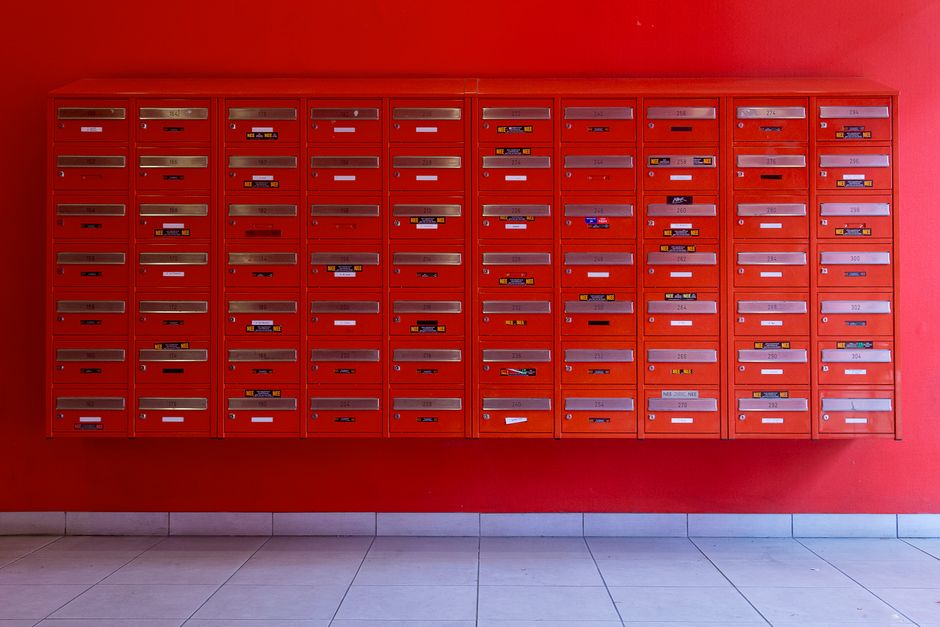
If you are past that window, there are workarounds. Ask the building’s front desk, doorman, or super if you have one. Read the unit’s mail label as you walk past (without staring). In a worst case, skip the name for a few months, use warm hellos, and re-introduce yourself formally on a natural occasion: “I realize I never actually told you my name properly.” Offering your own name gives the neighbor a natural opening to offer theirs, and the issue resolves quietly.
The neighbor map
For larger buildings, a small mental map of who lives where is useful. The neighbor across the hall, the one above, the one below, the one beside, and the ones near the elevator. That is usually five to seven names, which is well within memory range.
You do not need to remember every name on every floor. The people you actually interact with regularly are a small subset of your building. Focus your name-attention there and let the rest of the building fade naturally.
If your building has children, learn their names too. It is a small detail that matters enormously to parents. Saying “Hi Ella” to a child in the elevator is one of the most appreciated small gestures in shared living, and it builds parent-side goodwill faster than almost anything else.
A quick checklist for building your neighbor name map
- Start with the five closest units: across the hall, above, below, either side, and the unit nearest the elevator or stairs you use most.
- On any first introduction, repeat the neighbor’s name back once out loud, then use it again before the conversation ends.
- Within an hour of meeting someone new, jot the name and unit number in your phone (for example, ‘4A: Marcus’) so it survives the day.
- Learn the names of any children in nearby units too, since greeting a child by name builds outsized goodwill with parents.
- If you have forgotten a name past the easy re-ask window, check the mail label discreetly or ask the front desk or super rather than guessing.
- When you have been seeing someone for months without an exchange, offer your own name first so they have a natural opening to offer theirs.
- Refresh the map every few months, adding new move-ins and quietly dropping neighbors who have moved out so the list stays current.
Names in a city of strangers
In dense apartment buildings, especially in major cities, name-sharing is sometimes minimal. The culture of the building is to acknowledge but not introduce. Even in those buildings, you will pick up names gradually. The neighbor across the hall who is also an early riser. The person walking the dog you also walk past on Wednesdays. The resident on the gym schedule that overlaps with yours. Over months, these names emerge from the texture of the building, even when there was never a formal introduction.
If you find yourself wanting to learn the name of a neighbor you have been seeing for a while, the easiest path is a small, casual mention of yours: “By the way, I realize I never introduced myself.” Offering your name gives the other person a natural opening to offer theirs. You have not asked. You have opened.
What you build, slowly, with names
Six months of small name-use in your hallway creates a noticeably different building. People say hello to you specifically. You start hearing your name from people you did not realize knew it. The building begins to feel less like a stack of doors and more like a small group of people who happen to share an address.
That feeling pays dividends in unexpected ways. When you are locked out, someone you barely know will offer to keep an eye on your door while you call the locksmith. When you are sick, a neighbor will drop a tea at your door without making it a big thing. When a small crisis hits the building (a power outage, a flooded basement), the names you know become the network you rely on.
This is not friendship. It is something different, lighter, and possibly more useful. It is the layer of mutual recognition that turns shared living from a transactional experience into a quietly relational one. The whole thing rests on the small habit of paying enough attention, during a first hello, to actually remember what the other person was called.
One last thing
Names are not just labels. They are the small, repeatable evidence that we noticed each other.
Frequently asked
What if I am genuinely terrible at remembering names?
Use a simple system. Write down names with a unit number on a phone note. Repeat the name twice when you first meet. Both habits compensate for an unreliable memory and within months you will remember names you would have lost.
Is it okay to ask a neighbor for their name a second time?
Yes, within the first few encounters. After about a month, it becomes harder. Use the workarounds (mailboxes, building staff, re-introductions) instead.
What if my neighbor is from a culture where exchanging names is more formal?
Follow their lead on formality. Some neighbors prefer last names or honorifics. Use what they offer rather than defaulting to first names. The respect is in matching their cue.
Should I tell my neighbors my children's names?
Yes, especially in buildings where the children are visible. It helps neighbors greet your children warmly and makes the family feel known in the building.
Related guides
 Neighbor Etiquette
Driveway Etiquette in a Tight-Spot Neighborhood
Driveways and tight parking are the quiet source of most suburban neighbor conflicts. Small habits and clearer expectations resolve almost…
 Neighbor Etiquette
Smells That Travel: Cooking, Laundry, and the Indoor Air
Smells between apartments are a quieter conflict than noise, but a real one. A few small habits and a working…
 Neighbor Etiquette
How to Be a Considerate Neighbor When You Work From Home
Working from home changes your relationship with the building. For years you may have left in the morning and come…