Driveway Etiquette in a Tight-Spot Neighborhood
A shared driveway, a tight cul-de-sac, or a narrow city block can turn neighbors into opponents over six inches of pavement. Here is how to keep it sane.


Driveway disputes are the suburban equivalent of apartment noise disputes. They are small, they are visible, and they compound slowly into something neither neighbor really wanted. The good news is that almost all of them are preventable with a handful of unwritten rules that are worth saying out loud.
Know where the property line actually is
The first source of driveway conflict is the assumption that everyone agrees on where the property line is. Most neighbors do not. Most homes do not have a clearly marked boundary, and most driveways were paved at angles that quietly cross the line. The line you assume in your head may not be the line your neighbor sees.
If you live in a house where the boundary feels ambiguous, find your plat or survey document. Most homeowners have one in their closing paperwork. If you do not, your local municipality usually has it on file. Knowing the actual boundary saves arguments, especially when one of you wants to put up a fence, plant a hedge, or repave.
That said, the property line is not the same as the working line. Most neighborhoods operate on the working line, which is where the cars actually park and where each homeowner has been mowing. The two are usually close but not identical, and trying to reclaim a few inches based on the technical line is one of the surest ways to lose a friendly relationship over almost nothing.
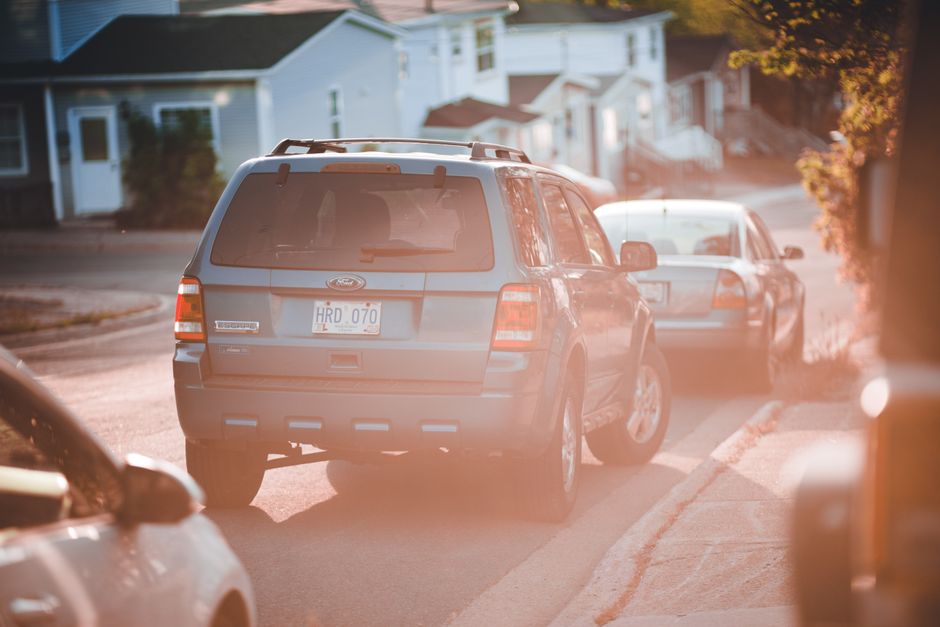
The unwritten rules of the shared driveway
If you have a shared driveway, a single piece of pavement that two homes use, there are working norms most successful pairs follow:
- Both parties keep cars to their own side and never block the other side.
- If you need to leave a car blocking the shared section briefly (loading groceries, dropping off a passenger), it is fine. Anything more than a few minutes gets a warning text.
- You do not park guests in the shared section without checking with the other household first.
- Snow shoveling is split. Most pairs alternate winters, or one shovels and the other handles a different shared chore.
- Damage to the shared section (cracks, plowing requirements) is split too. Have the conversation about how before the first crack happens.
None of these rules are written into a deed. They are negotiated quietly between the two households over the first few months and become the operating norm. The pair who skips that early negotiation is the pair that ends up sending lawyer letters two winters later.
The single best move in a shared-driveway home is to have a short, friendly conversation in your first month. “We are still figuring out how the driveway works. What has the pattern been here?” The other neighbor will tell you most of what you need to know in three minutes. You can add your own gentle preferences. The arrangement is then mutual instead of inherited.
The street parking question
In neighborhoods with limited street parking, the polite norms are similar. There is usually a default assumption that the space directly in front of a house “belongs” to that household, even though the street is technically public. Most neighborhoods honor this softly. You do not park in front of someone else’s house if their own space is open. You give a warning if you are going to have a guest there for a long evening.
The conflicts begin when one household consistently uses two spaces, or parks a non-running vehicle in front of a neighbor for weeks, or has multiple drivers using the street long-term. The polite way to address this is a direct, kind conversation with the neighbor, ideally before a third party gets involved. The unpolite way is to call the city or post anonymous notes on cars. Anonymous notes on cars almost never improve the situation. They make a small problem into a personal one.
Visitors and contractors
When you have guests, especially regular visitors like a babysitter or a contractor, mention them once to the immediate neighbors. A short message goes a long way. “Hi, we have a contractor coming for the next two weeks, you will see his truck on our side of the street most days.” That sentence pre-empts almost every parking complaint.
Contractors in particular benefit from a quick neighbor heads-up. They often park larger trucks. They sometimes block driveways inadvertently. They tend to be on tight schedules and may not always check who lives where. A neighbor who has been warned will give a stranger two days of grace before becoming irritated.
The garage as part of the equation
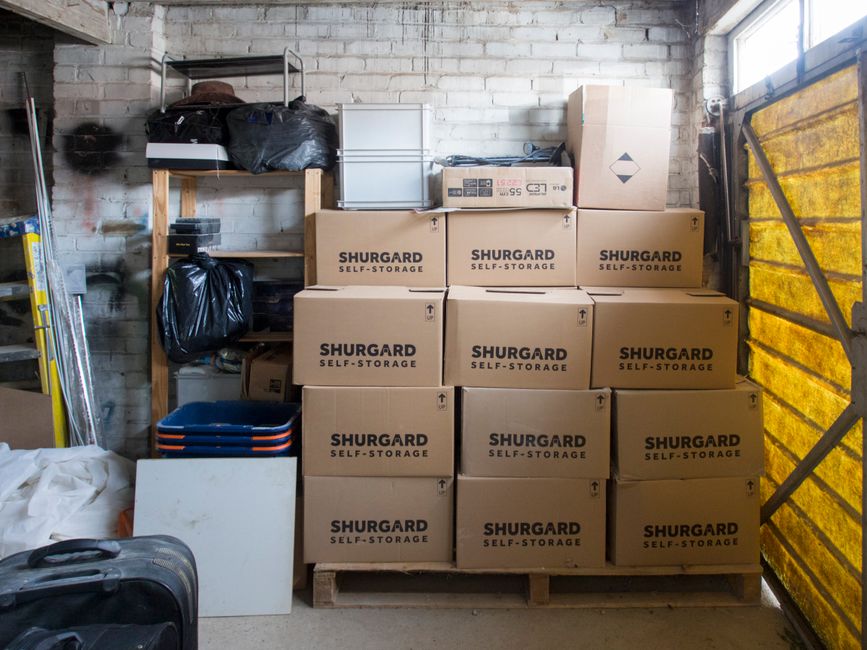
If you have a garage, using it is one of the most underrated forms of driveway etiquette. A garage car frees the driveway for guests and reduces the number of vehicles parked on the street. Many homeowners stop using their garage for cars within a year of moving in because it has filled with boxes, tools, and projects. The street-parking pressure on the block goes up as a result.
Periodically reorganizing the garage so that it can hold at least one car is a quiet community service. The block notices, even if no one mentions it.
When a conflict starts anyway
If you find yourself in a real driveway dispute, treat it as an early conversation, not a legal matter. Most situations are resolved by a short, polite chat. The opener that works in almost every case is, “Hey, do you have a minute? I wanted to figure out how we should handle the driveway when both of us need it.” Notice the framing. You are not accusing. You are inviting a working norm.
If the conversation does not work, you have escalation steps in order: a brief written follow-up to confirm the substance, a request for mediation through the HOA if you have one, then a consultation with a real-estate attorney if there is a property-line question that needs resolving. The legal route is the last step, not the first, because almost every driveway dispute that ends in litigation could have been resolved by a five-minute chat in the first month. Reference: the American Bar Association’s dispute resolution resources.
The view from a few houses down
The neighbors who never have driveway disputes are not the ones with the best property lines or the largest spaces. They are the ones who say hello, who give a quick heads-up about contractors, who shovel the bottom of the driveway one foot past their own line, and who do not keep score down to the inch. The driveway is a small, public-facing piece of your relationship with the people you happen to live next to. Treat it the way you would treat any small shared space, and most of the disputes never form in the first place.
Frequently asked
My neighbor consistently parks an inch onto my side. Should I say something?
Probably not, unless it is blocking access or creating a real problem. An inch is rarely worth the conversation. Save the conversation for situations that genuinely affect your ability to use your space.
Can I install a camera facing my driveway?
In most jurisdictions yes, especially if it is angled to capture your own property primarily. Mention it to your neighbor casually so they are not surprised. Avoid cameras pointed directly at a neighbor's front door or yard.
What if a guest blocks my driveway accidentally?
Most situations are resolved by knocking on the neighbor's door and asking who the guest is. Avoid towing as a first step. Towing is a relationship-ending action that should be reserved for emergencies.
Is it rude to ask a neighbor to move their car?
Not at all, especially if you need access to your own driveway. Phrase it kindly and briefly. Most neighbors will move quickly and apologize. Holding it in until you are frustrated leads to the worse conversation.
Related guides
 Neighbor Etiquette
Smells That Travel: Cooking, Laundry, and the Indoor Air
Smells between apartments are a quieter conflict than noise, but a real one. A few small habits and a working…
 Neighbor Etiquette
Hosting a Loud Night Without Burning a Year of Goodwill
A loud night in an apartment is not the problem. The lack of communication around it usually is. A real…
 Neighbor Etiquette
The Note Slipped Under the Door: When to Write One, When to Knock
A short, careful note slipped under a neighbor's door has resolved more disputes than most people realize. It has also…