How to Apologize to a Neighbor (and Why It Works)
A real apology to a neighbor is shorter, more specific, and arrives sooner than most of us instinctively want to offer.


Apologies to neighbors carry an outsized return. The conflicts that get carried for years through silence and avoidance can usually be resolved in under two minutes if both sides actually meet at the door. The structure is simple. Most of us just never quite practice it.
What a real apology looks like
A working apology has four parts and they fit in two short paragraphs. First, name the thing specifically. Not “I am sorry for whatever it was,” but “I am sorry the music was too loud past midnight on Saturday.” Second, name the impact, briefly: “I know you have work early.” Third, take responsibility without elaborate explanation. Do not over-explain, and do not blame the speakers, the friends, or the schedule. Fourth, say what changes: “It will not happen again. I will turn it down by 11 next time.”
The trap most apologies fall into is the third part. Once we start explaining, we drift into defending. The friend brought the speaker. The party was supposed to end earlier. We did not realize how late it got. Each line, said with the best intentions, sounds to the neighbor like minimization. Within a minute, the apology has become an argument about who is at fault. Reference: Harvard’s Program on Negotiation, which publishes ongoing research on the anatomy of an effective apology.
Keep the explanation to a single short sentence if you offer one at all. “We lost track of time” is enough. The neighbor does not need a full reconstruction. They need to know you noticed and you mean it.
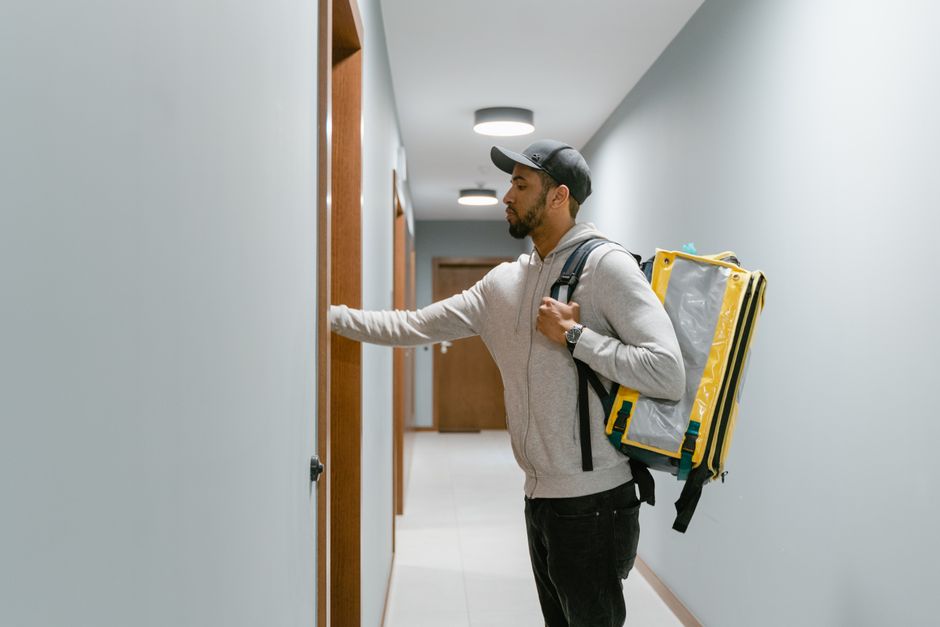
Apologize sooner than you want to
The instinct in shared living is to apologize after you have processed the situation, organized your thoughts, and decided what to say. The neighbor’s instinct, in the meantime, is to assume you do not care. The longer the silence, the more your absence becomes the story. Apologize on the same day if you can. Even a short message helps. A note slipped under the door at 8 the next morning is faster than a fully-composed conversation in the lobby a week later.
This is especially true with something audible. If your guests were loud last night, your neighbor heard it and is now wondering whether you are going to address it. A 9 a.m. message saying “Hey, sorry about the late noise last night, that was on us, will not happen again” lands much better than a longer apology after a week of cold hallway crossings.
If you cannot find a moment to talk, a short hand-written note works. Keep it to four lines. Name the thing, name the impact, take responsibility, sign your name. Including your name is important. An anonymous apology does not feel like one.
What an apology does for you, not just them
Apologies are often described as a gift to the other person. They are, but they also unlock something for the apologizer. Holding onto a small piece of guilt about a neighbor is heavier than it looks. Most of us walk past their door for weeks, taking a slightly different route to the elevator, not quite making eye contact. That low-grade avoidance is exhausting. The apology removes it. Within hours of saying it, your own building feels less tight.
That alone is reason to do it. Even if the neighbor’s response is muted, even if they do not say much in return, you have removed the weight from your own day. You can take the elevator at any time. You can stand in the laundry room without bracing. The freedom is bigger than people expect.
When the neighbor does not respond well
Sometimes you apologize and the neighbor stays cool. They thank you stiffly. They do not really engage. They might still be processing. They might have had a longer string of frustrations than just yours. They might just be the kind of person who needs more time. Do not chase the apology with another apology. Do not try to make them warm up. Let it sit. The seed has been planted.
Most of the time, you will see a small thaw within a week or two. They will hold the elevator. They will nod. The relationship will rebuild itself slowly. Even if it never fully warms back up, the apology still did its work. You are no longer the source of the problem in their day. That is enough.

The apologies that do not work
Some apologies make things worse. They follow predictable patterns. Watch for these in yourself:
- “I am sorry if you were bothered.” The conditional apology. It shifts the fault onto the listener for being sensitive.
- “I am sorry but…” Anything after “but” cancels the apology. Even a small qualifier reads as a defense.
- “I am sorry, but you also have been…” Two apologies in the same breath. Keep them separate.
- “I am really, really, really sorry.” Performance apologies are less believable than short ones. The intensity reads as theatre.
- “I just wanted to clear the air.” This is the apology that is not actually an apology. It often hides a small complaint about the other person.
The apology that works is short, direct, specific, and offered without expectations.
When you owe an apology you do not feel
This is the hardest case. You think you were not really in the wrong. The neighbor reacted strongly. You feel that an apology is unfair. Sometimes it is. Sometimes, though, the apology is for the impact, not the action. You can apologize that they were woken up without conceding that the volume was unreasonable. You can apologize that the door was slammed without agreeing that you slammed it.
Phrasing matters here. “I am sorry that woke you. I will keep that in mind on the way out tomorrow morning” addresses the impact, leaves the cause aside, and signals goodwill without conceding fault. It is enough to defuse most situations while keeping your own position intact.
The apology you should also offer yourself
There is one apology that almost no one talks about. You will sometimes hold onto guilt about something the neighbor has long forgotten. You replay a noise from two years ago. You wince at a conversation you cut short. The neighbor does not remember it. You do. At some point, name what happened in your own mind, decide what you would do differently, and let the rest go. The hardest neighbor to forgive is often yourself.
Frequently asked
What if I am not sure I did anything wrong?
If the neighbor seems upset and you cannot tell why, ask. "I noticed things felt cool the last few times. Did something happen?" Often the issue is small and easy to resolve. Sometimes the issue is not yours at all.
Is a text or message okay for an apology?
Yes, especially for smaller noise or scheduling issues. A face-to-face apology is warmer for serious disputes. A note under the door works when timing or shyness gets in the way of a knock.
How many times should I apologize for the same thing?
Once, clearly. Repeating an apology twice reads as guilt-spiraling and can actually make the neighbor uncomfortable. After the first apology, the change in behavior carries the message.
What if they apologize first?
Accept it cleanly. Avoid the response that adds your own complaint. A simple "Thank you, I really appreciate that. No hard feelings on this end either" is enough.
Related guides
 Neighbor Etiquette
The Note Slipped Under the Door: When to Write One, When to Knock
A short, careful note slipped under a neighbor's door has resolved more disputes than most people realize. It has also…
 Neighbor Etiquette
When Their Dog Barks All Day: A Calm Path Forward
A neighbor's dog barking through your workday is one of the most common shared-living frustrations. There is a calm, repeatable…
 Neighbor Etiquette
When You Hear Something Difficult Through the Walls
Sometimes a sound through the wall is more than just noise. A careful, calm guide to what to do when…