Stairwells: When You Use Them and When You Pause
Stairwells are mostly invisible until you spend time in them. The etiquette is small and shapes the safety of the building more than people realize.


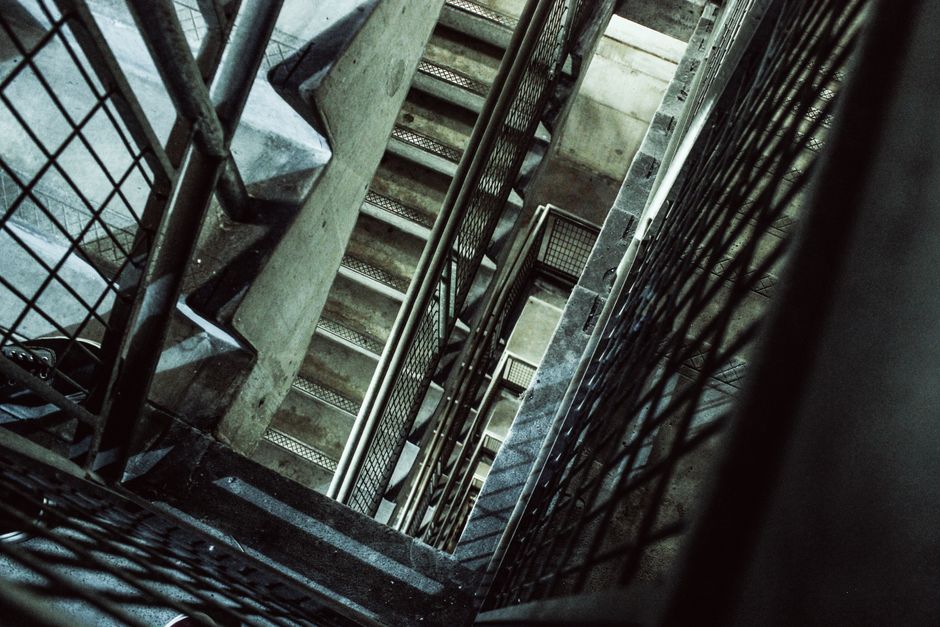
Stairwells in apartment buildings serve multiple functions. They are the fire escape. They are the daily-use stairs for residents on lower floors. They are emergency egress for everyone. They are sometimes used as smoking spots, hideouts, or trash dumps by residents who think no one notices. The etiquette of the stairwell is small but worth knowing because the failures of etiquette here often turn into real building problems.
The fire-safety reality
The most important thing to know about apartment stairwells is that they are fire escape routes. This shapes most of the rules around them. Reference: the National Fire Protection Association’s home fire safety guidance.
Stairwells should be:
- Free of personal items, boxes, trash, or storage.
- Clear of anything that could be a tripping hazard.
- Have working lights at every level.
- Have closed doors at each floor to compartmentalize fire and smoke.
- Free of obstructions to the doors themselves.
Anything that compromises these is a safety issue, not just an aesthetic one. The bag of trash you left in the stairwell for a few minutes is a fire-safety violation. The door propped open with a wedge is one too. The personal items you stored against the wall are one as well.
The propped-door problem
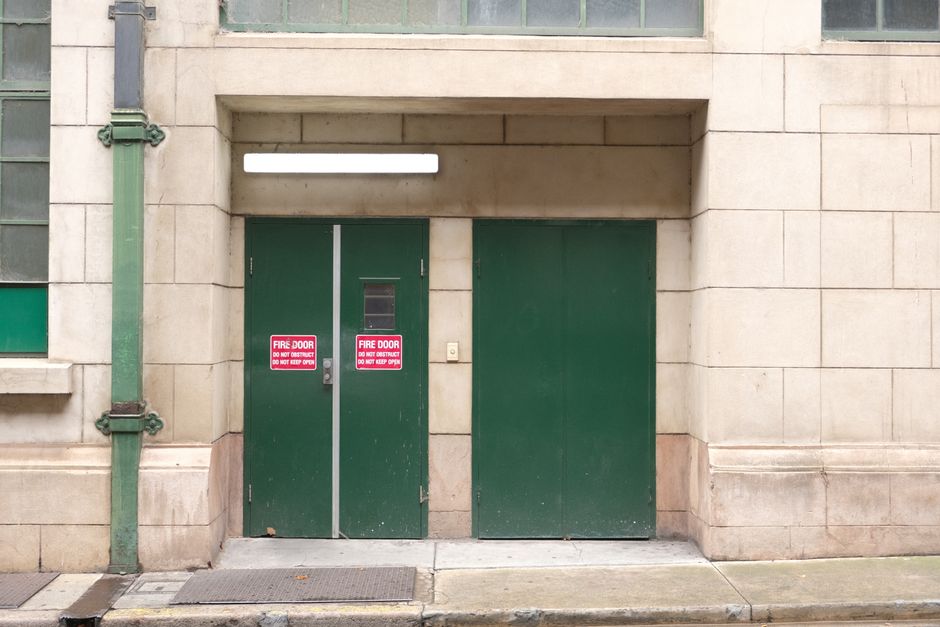
Stairwell doors are designed to close fully. They are usually rated as fire doors that compartmentalize the stairwell from each floor. A propped door defeats this entire system. Reference: the U.S. Fire Administration’s apartment fire safety resources.
Residents prop doors for various small reasons. They are carrying something up and want easy reentry. They are taking a phone call in the stairwell. They are smoking and want to slip back into the hallway.
None of these reasons justifies the prop. The door should close behind you every time. If you need to come back through, use your key.
If you find a propped door, close it. If you find one propped repeatedly by the same person, mention it to building management. Persistent propping is a building-wide safety issue.
Door wedges in stairwells are usually evidence that someone has propped the door before. Pick up any wedge you find and dispose of it. The wedges accumulate over years and become tools for whoever wants to defeat the door.
The “I will be right back” trap
The most common stairwell etiquette violation is the small temporary use that becomes permanent. A bag of trash set down “for just a minute” while the resident grabs their phone. A box left “while I figure out where to put it.” A piece of furniture parked “until tomorrow.”
The minute becomes hours. The hours become days. The bag, box, or furniture becomes a long-term fixture that other residents have to navigate around.
The fix is simple: do not leave anything in the stairwell, even briefly. If you cannot carry it now, do not bring it to the stairwell yet. The space is for transit, not for staging.
The noise question
Stairwells amplify sound. The hard surfaces, the enclosed space, the lack of soft furnishings, all create an echo chamber. Normal conversation in a stairwell becomes loud-conversation level to anyone on adjacent floors.
Keep conversations quiet in stairwells. Avoid phone calls. Avoid loud reactions to anything. Move quickly through.
This is especially important in stairwells that connect to bedrooms or quiet apartments. The neighbor whose bedroom shares a wall with the stairwell hears every conversation that happens there.
The smoking and vaping question
Stairwells have become unofficial smoking spots in many buildings. Residents who do not want to walk all the way outside step into the stairwell for a quick cigarette. This is a fire-safety violation and a building-wide smell issue.
Do not smoke or vape in stairwells under any circumstances. The smoke travels up and down the entire shaft. Multiple residents are bothered by what one person did. The fire risk is also real, since stairwells are not designed for any open flame.
If you see someone smoking in the stairwell, the kind approach is a polite mention. “Hey, the stairwell really carries smoke. Could you take it outside?” If it is a persistent issue, mention to building management.
The conversation about other uses
Stairwells sometimes get used for inappropriate activities. Hideouts for kids. Meeting spots for arguments. Phone calls residents want privacy for. Brief illicit activities.
If you witness any of these, the response depends on what you see. For minor issues (kids hiding), a gentle redirect is appropriate. For more serious issues (arguments, harassment, illegal activity), the right response is to alert building management or, for serious situations, police.
Do not engage directly in confrontations in the stairwell. The space is enclosed and isolated. Disengagement and reporting is safer than direct intervention.
The encountering-another-resident etiquette
If you encounter another resident in the stairwell, brief acknowledgment is appropriate. A nod, a quick hello. The space is too narrow and echoey for sustained conversation.
For passing situations, step to one side. Allow the other person to pass. Continue.
If you encounter someone struggling (carrying something heavy, having a difficult moment), offering help is a kind gesture. “Can I get a door for you?” “Can I help carry?”
The exercise-using-stairs question
Some residents use the stairs for exercise, climbing multiple flights for fitness. This is generally fine but with some considerations:
- Be aware that you are using a fire-egress route. Do not block it for actual exits.
- Keep your music in headphones.
- Move out of the way if other residents need to pass.
- Do not loiter at landings; if you need to rest, do so briefly and clear the space.
- Wipe your sweat off any railings you grip if you sweat heavily.
The stair-climber and the daily user can usually coexist. The key is shared awareness.
The maintenance reporting
Stairwells often have maintenance issues that residents notice but do not report. Burned-out lights at certain levels. Sticky doors. Broken handrails. Stains on walls. Water leaks from above.
Most of these get fixed when someone tells management. Most of these never get reported because residents assume “someone else will mention it” or “management already knows.”
Take thirty seconds to email management about any stairwell issue you notice. “Light is out on the third-floor landing.” “Door on five does not close fully.” “Wet patch on the seventh-floor stairs.” Specific, brief, helpful. The building responds.
The pet question
Pets in stairwells are usually allowed but with considerations. Leashed dogs only. Carry small pets to avoid them getting lost in the multi-level space. Clean up immediately after any accidents.
Some buildings prohibit pets in stairwells entirely (usually for cleanliness reasons). Check the rules.
If you encounter a pet in the stairwell, give it space, especially if it seems anxious. The narrow space can stress some animals. A calm passing usually resolves without incident.
Small habits that keep the stairwell working
The stairwell is a utility space that most residents pay little attention to. The residents who do pay attention notice the small ways the stairwell shapes building life. The fire-safety implications. The sound transmission. The smell paths. The wear patterns.
The residents who treat the stairwell with the small considerations described here contribute to a building that functions well. The residents who use it carelessly create the propped doors, the stashed trash, the smoke smells, and the chronic small issues.
The next time you use the stairwell, run a quick check. Is the door closing behind you? Are you carrying everything with you? Are you keeping your voice down? Are you reporting any issue you notice? Five small habits, applied consistently, are most of what stairwell etiquette asks. The cost is nothing. The benefit is a shared safety infrastructure that works the way it was designed to.
Frequently asked
Is it okay to leave the stairwell door propped open for delivery people?
No. Propped doors compromise fire safety. Delivery people should be buzzed in through the building entry, not the stairwell.
What should I do if I find someone using the stairwell as a smoking spot?
A polite request to move outside is appropriate. For chronic offenders, mention to management. The stairwell is a fire-safety zone, not a smoking area.
Can I store things in the stairwell temporarily?
No, even temporarily. The stairwell must be clear at all times for emergency egress. Store items in your unit or arranged storage.
What if the stairwell smells bad?
Report to management. Smells in stairwells often indicate a maintenance issue (clogged drain, dead animal, smoking) that needs attention. Persistent smells should not be ignored.
Related guides
 Shared Spaces
Rooftops, Sunsets, and Other Shared Pleasures
A shared rooftop is one of the great apartment amenities. A grounded guide to using it well without creating tension…
 Shared Spaces
The Front Stoop as a Real Public Space
The front stoop of an apartment building is one of the oldest forms of urban shared space. A grounded guide…
 Shared Spaces
Trash Rooms: The Forgotten Etiquette
The trash room is one of the most-used and most-overlooked shared spaces in apartment buildings. A grounded guide to the…