Setting Up Utilities in a New Apartment Without Overpaying
The rent is the number you negotiated. Utilities are the number that quietly decides whether the apartment is actually affordable. A unit that looks like a good deal can turn into a stretch once the electric,…


The rent is the number you negotiated. Utilities are the number that quietly decides whether the apartment is actually affordable. A unit that looks like a good deal can turn into a stretch once the electric, gas, water, trash, and internet bills all arrive in the same month. The good news is that most utility overpayment happens in the first two weeks, during setup, and setup is the one part of the process you fully control.
Here is how to bring your services online without gaps, without surprise fees, and without paying for more than you use.
Start With What the Lease Already Covers
Before you call a single company, find out what you are actually responsible for. Leases vary widely. Some include water, sewer, trash, and even heat in the rent. Others include nothing. A building with a shared boiler often folds heat into rent, while a unit with its own furnace usually does not.
This is one of the reasons to read your lease line by line rather than skimming it. Look for the section that lists utilities and marks each one as tenant paid or owner paid. If it is vague, ask the landlord to tell you, in writing, exactly which accounts you open and which they handle. Utilities are one of the hidden rental costs that people forget to add up until the bills land.
Sort Out Which Accounts Are Yours to Open
In a typical unit where utilities are not included, you may be setting up several separate accounts:
- Electricity, almost always in the tenant’s name.
- Natural gas, if the unit has gas heat, a gas stove, or a gas water heater.
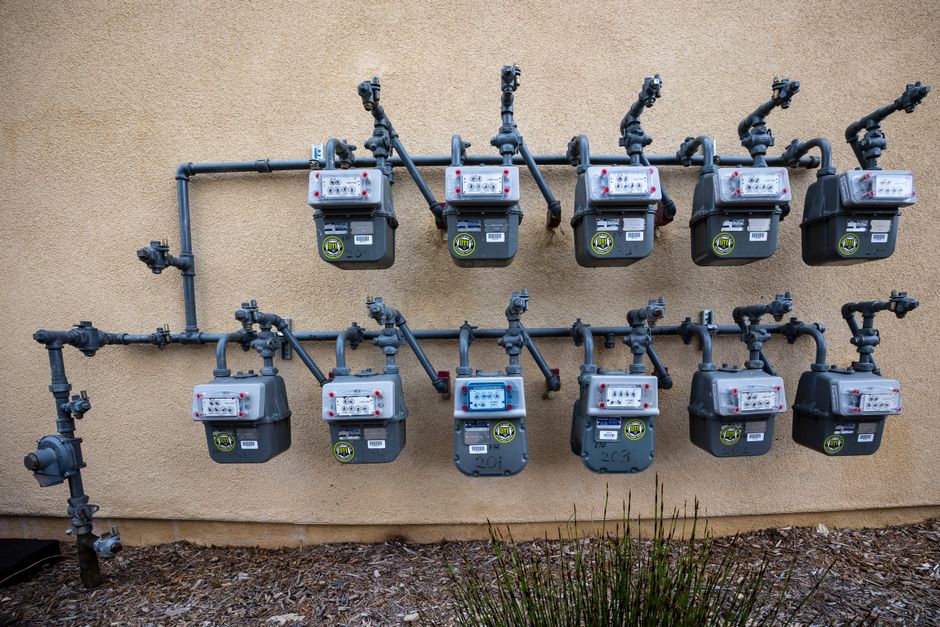
- Water and sewer, sometimes billed by the city directly to you, sometimes billed through the landlord.
- Trash and recycling, often bundled with water or handled by the building.
- Internet, which is yours to choose.
Ask the landlord or the leasing office for the names of the specific providers. In many areas you do not get to choose the electric, gas, or water utility at all: there is one regulated company serving that address. Internet is usually the exception, where two or three providers may compete for your business.
Set Up Service Before You Move In, Not After
Contact each provider several days before your lease start date, and schedule the service to switch into your name on the day you take possession. Two things go wrong when people wait until moving day:
- You arrive to find the power or gas shut off, and same day reconnection is not guaranteed. Some utilities need a day or more, and gas often requires someone home to relight appliances.
- You get billed for the previous tenant’s final days, or for the landlord’s vacancy period, because no one drew a clean line on the account.
When you open each account, write down the exact start date and the meter reading if they give you one. That reading is your proof that your billing began the day you took the keys, not before.
The Deposit Question
Utility companies sometimes require a deposit to start service, especially for a customer with no prior history with them or a thin credit file. This is normal and refundable. It is not a fee. It is money held and usually returned after a set period of on time payment, often around a year.
You can often reduce or waive it. Ask whether a letter from a previous utility, showing you paid on time, will remove the deposit. Ask whether enrolling in autopay lowers it. If you are a student or new to the country, ask what alternatives exist for someone without local credit history. The company will not always volunteer these options, so it is worth one direct question before you hand over cash.
Learn How Each Utility Bills You
Two identical apartments can produce very different bills depending on how the metering is set up. Find out which situation you are in:
- Individually metered: you pay for exactly what your unit uses. This is the cleanest arrangement.
- Sub-metered: the building measures each unit separately and bills you for your share. Reasonable, but read the statement to see the rate they apply.
- Ratio billing: some buildings split one master water bill among units based on square footage or number of occupants rather than actual use. You can end up paying part of a neighbor’s long showers. How landlords are allowed to bill for utilities is regulated differently from place to place, so if the math looks off, check your local rules or your lease.
Many electric and gas companies also offer budget billing, which averages your yearly cost into flat monthly payments. It does not save money, but it removes the winter heating spike and makes budgeting steadier. They reconcile the difference once a year.
Internet Is Where Most People Overpay
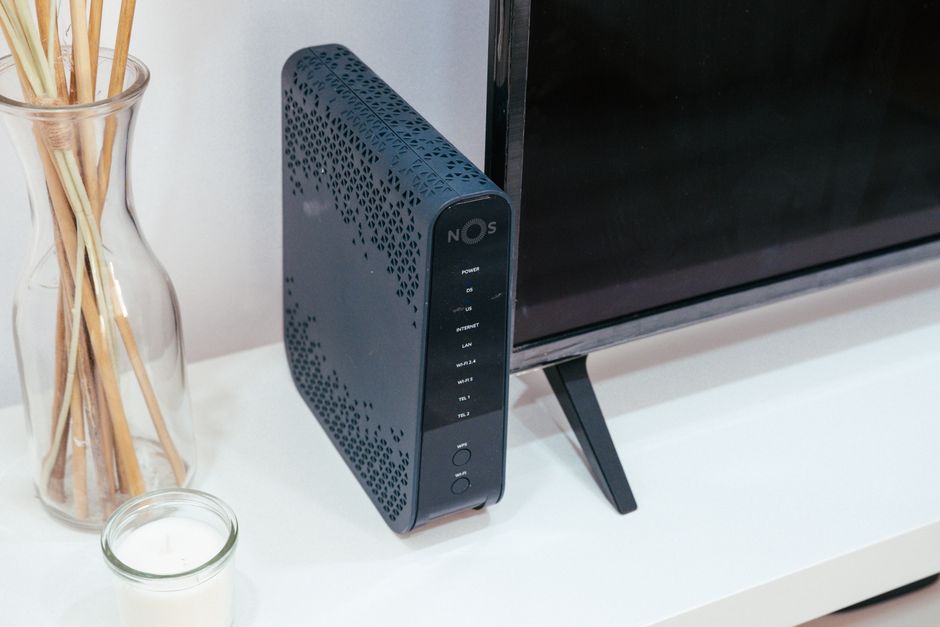
Of every account you set up, internet is the one with the most room to overpay, because it is the only one that actively markets to you. A few honest points:
- The advertised price is almost always a promotional rate that expires, often after twelve months, then jumps. Note the end date in your calendar so you can call and renegotiate or switch before it hits.
- Most households do not need the top tier. A plan in the low to mid hundreds of megabits per second handles streaming, video calls, and several devices at once comfortably. Pay for the fastest tier only if you have a specific reason, such as regularly moving very large files.
- Equipment rental is a recurring charge that quietly adds up. For cable internet you can usually buy a compatible modem and router once and stop paying the monthly rental, which tends to pay for itself within a year. Confirm compatibility with the provider first.
Avoid long contracts with early termination fees if you are not certain how long you will stay. Month to month service costs a little more but keeps you free to leave or switch.
The Fees That Are Not the Rate
The quoted price is rarely the final price. When you set up service, ask directly what the first bill will total, including one time charges. Common additions include connection or activation fees, installation charges, equipment fees, and various recovery or franchise fees that show up as line items. None of these are usually negotiable down to zero, but knowing about them prevents the sticker shock on the first statement and lets you catch anything that should not be there at all.
Autopay, Paperless, and the First Bill
Autopay is convenient and sometimes earns a small discount, but turn it on only after you have seen one or two correct bills. Setting autopay before you know the account is accurate means an error drafts straight from your bank account. Read the first full bill for each utility closely. Confirm the service address, the billing period, and that the starting meter reading matches what you noted on move in day. First bills are where setup mistakes surface, and they are much easier to fix before autopay is running.
When Something Goes Wrong
A few common problems, and the calm way to handle each:
- No power or gas on arrival. Call the utility, not the landlord, and confirm the account is in your name with today’s date. If they cannot reconnect immediately, ask for the earliest appointment and plan around it.
- A bill for usage before you moved in. Send your lease start date and your move in meter reading to the utility and ask them to correct the billing period. Documentation from your first apartment walkthrough helps here.
- A landlord billed utility that looks wrong. If the building bills you for water or trash, ask for the underlying statement and the method used to calculate your share. If it still seems off, a short, factual message works far better than an angry one. The same approach that makes a clear repair email effective applies to billing questions too.
A Simple Move-In Utility Checklist
- Confirm from the lease which utilities are yours to pay.
- Get the provider names for electricity, gas, water, and trash.
- Open each account to start on your lease date, and record the start date and meter reading.
- Ask about any deposit and how to reduce or waive it.
- Choose an internet plan that fits real use, and note when the promotional rate ends.
- Ask what the first bill will total, fees included.
- Delay autopay until at least one bill has arrived correct.
Utilities are not glamorous, but they are one of the few recurring costs where a couple of careful decisions in the first week keep paying you back every month you live there.
Frequently asked
Should I set up utilities before or after I move in?
Before. Contact each provider several days ahead and schedule service to start on your lease date. Waiting can leave you with no power or gas on arrival, since same day reconnection is not guaranteed and gas may require an appliance relight appointment.
Do I have to pay a deposit to start electric service?
Sometimes, usually if you have no prior history with that utility or a thin credit file. It is refundable, not a fee. Ask whether a letter showing on time payment to a former utility, or enrolling in autopay, will reduce or remove it.
Is it worth buying my own modem and router instead of renting?
For cable internet, usually yes. A monthly equipment rental adds up, and a purchased modem and router often pays for itself within about a year. Confirm the device is compatible with your provider before buying, and keep the box in case you switch.
What is budget billing and should I sign up?
Budget billing averages your projected yearly cost into flat monthly payments, then reconciles once a year. It does not lower your total, but it smooths out the winter heating spike, which makes monthly budgeting easier. Choose it if predictability matters more than paying exactly what you used.
The building charges me for water by unit size, not a meter. Is that allowed?
That is called ratio billing, and whether it is permitted depends on your location. Rules on how landlords may bill utilities vary widely. Ask for the calculation method and the underlying statement, then check your local tenant rules or lease if the amount looks wrong.
Related guides
 Rental Living
Reading Your Lease Without Glazing Over
Most renters sign leases they have not really read. A grounded look at how to read one properly without glazing…
 Rental Living
Renting With Roommates Who Are Strangers, Honestly
Renting with stranger roommates is common in urban living. A grounded guide to the vetting and structure that make it…
 Rental Living
The Quiet Habits That Keep a Rental Feeling Like Home
A rental does not have to feel temporary or impersonal. A grounded look at the quiet habits that turn a…