The First Month’s Repair Calls: A Pattern
The first month in a new apartment reveals a predictable set of small issues. Knowing the pattern helps you handle them efficiently.


The first month of a new apartment is when issues that have been latent emerge. The previous tenant may have lived with them. The walkthrough did not stress-test the unit. Real daily use reveals what the inspection missed. Here are the common patterns and how to handle each.
The plumbing pattern
Plumbing issues commonly appear in the first month because actual use stresses fixtures that were sitting unused between tenants. Look for:
- Slow drains in sinks or tubs.
- Leaks under sinks (run water for two minutes and check).
- Running toilets that do not stop refilling.
- Loose faucet handles.
- Water pressure that drops unexpectedly.
- Hot water that takes too long or runs out quickly.
Report any plumbing issue immediately. Small leaks become big problems quickly. The repair email should be specific: “Slow drain in master bathroom sink, water takes about 90 seconds to fully drain after running for 30 seconds.”

The electrical pattern
Electrical issues are less common but more serious. Look for:
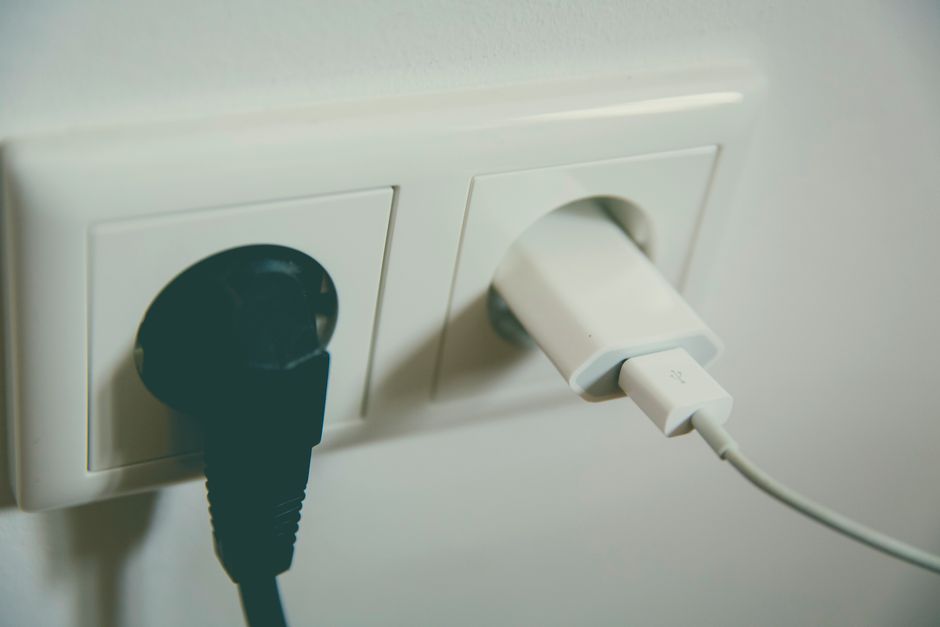
- Outlets that do not work (test each with a phone charger).
- Outlets that feel warm to the touch.
- Switches that do nothing.
- Lights that flicker.
- Circuits that trip when you run multiple appliances.
- Any burning smell from outlets or fixtures.
Electrical issues require fast response. A warm outlet or a burning smell is a fire risk. Report immediately and request urgent service.
During your first week, walk through the apartment with a phone charger. Plug it into every outlet. Verify each one works. Note any that do not. Outlets sometimes fail during the time a unit is empty between tenants and the issue is invisible without testing.
The HVAC pattern
Heating and cooling issues often appear with the first real seasonal use:
- Heat that does not warm certain rooms.
- Air conditioning that runs constantly without cooling.
- Thermostat that does not respond.
- Unusual noises from the HVAC system.
- Strange smells from vents.
- Drafts around windows or doors.
Test the heat the first week even in mild weather. Set the thermostat to a temperature 5 degrees above the current room temperature. The system should activate within 10 minutes and warm the room measurably within an hour. If it does not, report immediately.
Same for AC. Test in mild weather to confirm functionality before you actually need it.
The appliance pattern
Appliances often have issues that show up with regular use:
- Refrigerator running too warm or too cold.
- Freezer that does not maintain temperature.
- Dishwasher that does not clean properly.
- Stove burners that do not light or heat unevenly.
- Oven temperature that does not match the setting.
- Microwave with timer or door issues.
- Washer or dryer issues (if in-unit).
Run each appliance through a full cycle in the first week. Note any issues. Report them while still in the first-month window when repairs are most likely to happen quickly.
The door and window pattern
Doors and windows reveal issues with daily use:
- Doors that stick, drag, or do not close fully.
- Door handles that turn but do not retract.
- Windows that will not open or stay open.
- Windows with broken seals (visible condensation between panes).
- Window locks that do not engage.
- Sliding doors or balcony doors that bind in the track.
Test every door and window in the first week. Open, close, lock, unlock each one. Note any issues. These are often easy fixes that the landlord can handle in a single visit.
The pest pattern
Pest issues sometimes emerge in the first month as warm bodies and food sources appear in the unit. Look for:
- Small ant trails near kitchen counters or windows.
- Cockroach sightings (especially at night near the kitchen or bathroom).
- Mouse droppings (small, dark, rice-grain shaped) in cabinets or behind appliances.
- Flying insects in unusual quantities.
- Pantry moths in dry goods.
Any of these requires landlord notification. Most leases hold the landlord responsible for pest control, especially in multi-unit buildings where the source could be anywhere. Reference: the EPA’s guidance on safe pest control in the home.
The fixture pattern
Small fixture issues are easy to overlook but worth catching:
- Loose towel bars, toilet paper holders, or other bathroom fixtures.
- Loose handles on cabinets or drawers.
- Smoke detectors that do not test properly.
- Locked closet doors with missing keys.
- Storage areas with damage or pests.
- Light fixtures with damaged glass or wiring.
These individually are small. Together they accumulate into a substantial maintenance list. Report them in batches if convenient (one email listing five small issues) rather than separate emails for each.
The first-month notification window
Many leases specify a window (often 30 days) during which the landlord must address pre-existing issues without dispute. Use this window aggressively.
Anything you notice that should have been fixed before you moved in needs to be reported during this window. After 30 days, the landlord may argue that the issue developed during your tenancy and is your responsibility.
The reporting does not need to be aggressive in tone. Calm and specific is right. The window matters because of timing, not because of urgency.
The batching strategy
Many tenants send a separate email for every small issue, which can come across as nitpicky and overwhelm the landlord. A better approach is to batch:
- Walk through the apartment weekly during the first month, noting issues.
- At the end of each week, send a single email listing what you found.
- Urgent issues (leaks, electrical, safety) get separate immediate emails.
- The weekly batched email handles the smaller stuff efficiently.
This balances thoroughness with respect for the landlord’s time. Five small issues in one email gets handled in one visit. Five emails over a week feels like a chronic complainer.
The follow-through
For each reported issue:
- Track whether and when it was fixed.
- If a repair was done but the issue persists, report again with specifics.
- Document the repair (photos before and after, notes on what was done).
- Thank the maintenance team after completion.
This documentation matters for your relationship with the landlord and for any future move-out disputes about the unit’s condition.
Why the first month shapes the rest of the tenancy
The first-month repair calls are a normal feature of renting, not a sign of a bad apartment. Almost every unit reveals issues during the first weeks of real use. The landlord knows this and expects it.
The renter who handles the first month well establishes a pattern of clear, calm, batched communication that serves the entire tenancy. The landlord learns that this tenant reports issues fairly and does not exaggerate. The maintenance team learns to expect efficient, accurate requests.
This pattern, established early, makes the rest of the tenancy easier. Future repairs are addressed quickly because of the goodwill built in the first month. The relationship between tenant and management starts on a productive foundation that pays back over the months and years that follow.
The next time you move into a new apartment, expect the first-month repair pattern. Plan for it. Test things actively in the first week. Batch your reports. Stay calm and specific. The first month sets the tone for everything that comes after.
Frequently asked
What if the landlord refuses to fix something in the first month?
Document the refusal. Reference your lease and any local tenant laws about habitability. For serious issues, escalate to property management. For minor issues, you may have to accept it but the documentation protects you at move-out.
How quickly should the landlord respond to a first-month repair request?
Urgent issues within 24 to 48 hours. Standard issues within a week. Anything longer is unusually slow and worth following up.
Should I fix small things myself to avoid bothering the landlord?
Generally no, especially in the first month. Doing repairs yourself can sometimes void portions of the lease or affect the deposit. Always report and let the landlord decide whether to handle it themselves.
What if the previous tenant left damage that I am now blamed for?
This is exactly what move-in photos and walkthroughs protect against. With proper documentation, the previous damage is clearly not yours and cannot be charged to you.
Related guides
 Rental Living
When Your Landlord Ignores a Repair Request: How to Escalate
A repair request that goes unanswered is one of the more stressful parts of renting, partly because it mixes two…
 Rental Living
Reading Your Lease Without Glazing Over
Most renters sign leases they have not really read. A grounded look at how to read one properly without glazing…
 Rental Living
When to Push a Landlord, and When to Wait
Some landlord interactions need persistence. Others need patience. A grounded guide to knowing which approach fits which situation.