How to Be a Considerate Neighbor When You Work From Home
Working from home changes your relationship with the building. For years you may have left in the morning and come back at night, and the apartment was mostly a place you slept. Now it is also…

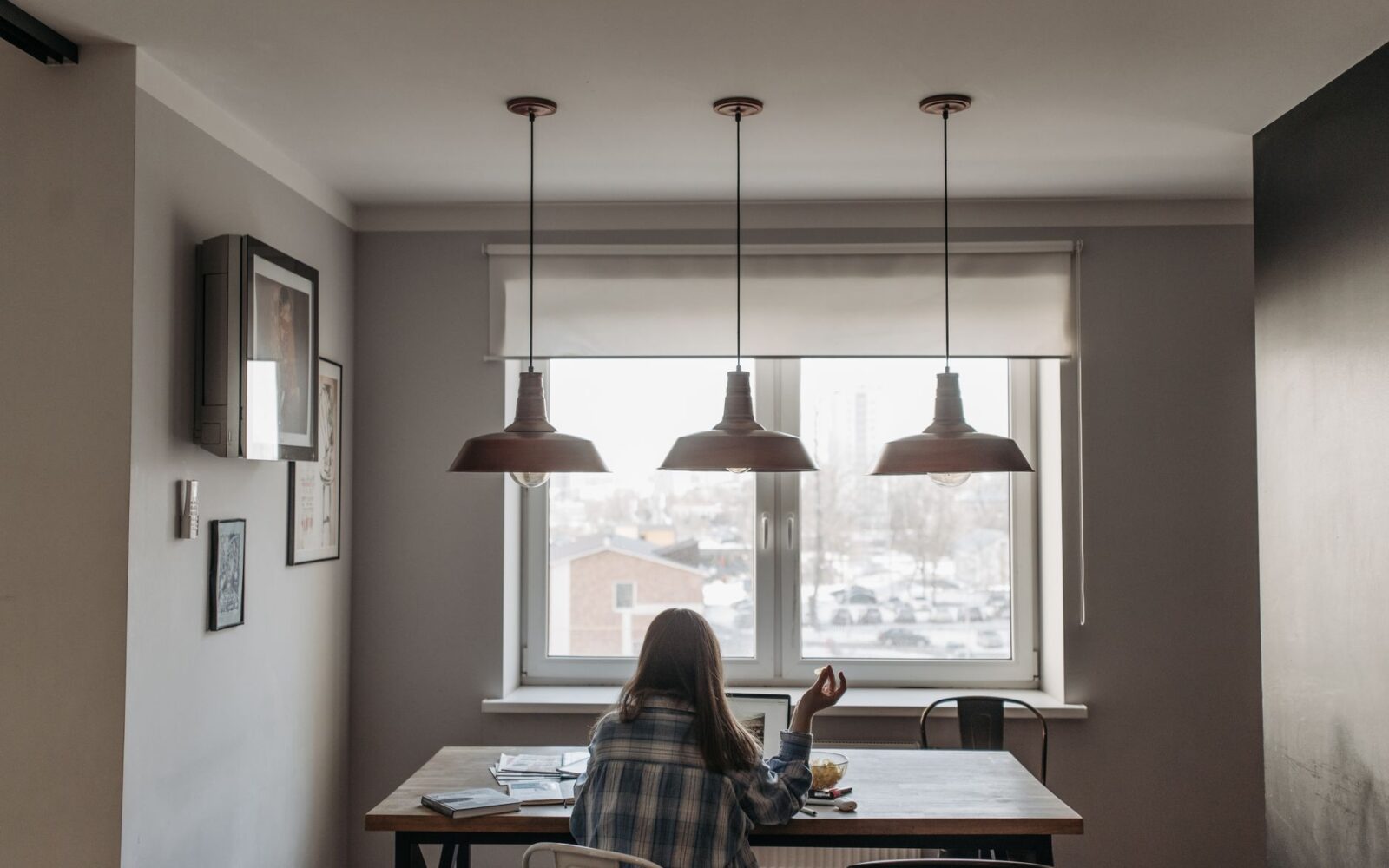
Working from home changes your relationship with the building. For years you may have left in the morning and come back at night, and the apartment was mostly a place you slept. Now it is also a place you work, take calls, and receive deliveries, most of the day, most days of the week. That shift is invisible to you and audible to the people around you. Most of the friction it creates is easy to prevent once you understand what actually travels through a building and when.
The daytime building has different rules
Most leases set formal quiet hours for the night, commonly something in the range of 10 p.m. to 7 or 8 a.m., though the exact window varies by building and by local ordinance. During the day there is usually no formal quiet requirement at all. That does not mean daytime sound is free. It means the standard shifts from what is written down to what is considerate.
The building you work in is fuller than the version you remember. A neighbor on a night shift is sleeping through your workday. A parent two units over is also on calls. A retiree is home all day, every day. Before you assume the daytime is yours to be loud in, it helps to remember how many people are quietly trying to concentrate on the other side of your walls. If you want the background on how the formal rules actually work, it is worth reading up on quiet hours separately, but the short version is that they protect the night and leave the day to your judgment.

Your voice on calls carries further than you think
The single biggest change most remote workers bring to a building is the sound of their own voice. You are used to hearing yourself at a normal conversational level. You are not used to hearing yourself for six hours of back-to-back calls, and neither is the person sharing your wall or floor. Speech is one of the sounds that passes through walls most easily, because the human ear is tuned to pick a voice out of background noise.
A few habits reduce this a great deal:
- Take calls in the room furthest from a shared wall when you can. An interior room beats one that backs onto a neighbor.
- Use a headset. People talk louder without one because they cannot gauge their own volume, and speakerphone doubles the sound bouncing around the room.
- Close the window during calls. An open window carries your voice straight into the courtyard, the airshaft, and the units stacked above and below you.
- Watch the meetings that run hot. Sales calls, debates, and anything that gets you animated are the ones neighbors actually notice.
Where you take the call matters
Balconies, patios, stoops, and shared outdoor areas feel like private extensions of your unit, but sound behaves differently outside. A voice on a balcony travels to every unit that shares that face of the building, and often across a courtyard as well. Taking every call outside because the weather is nice is one of the fastest ways to become the person everyone can identify by voice alone. When shared outdoor spaces are involved, the same courtesy you would extend on shared patios in the evening applies during the workday too.
You have quietly added to the delivery load
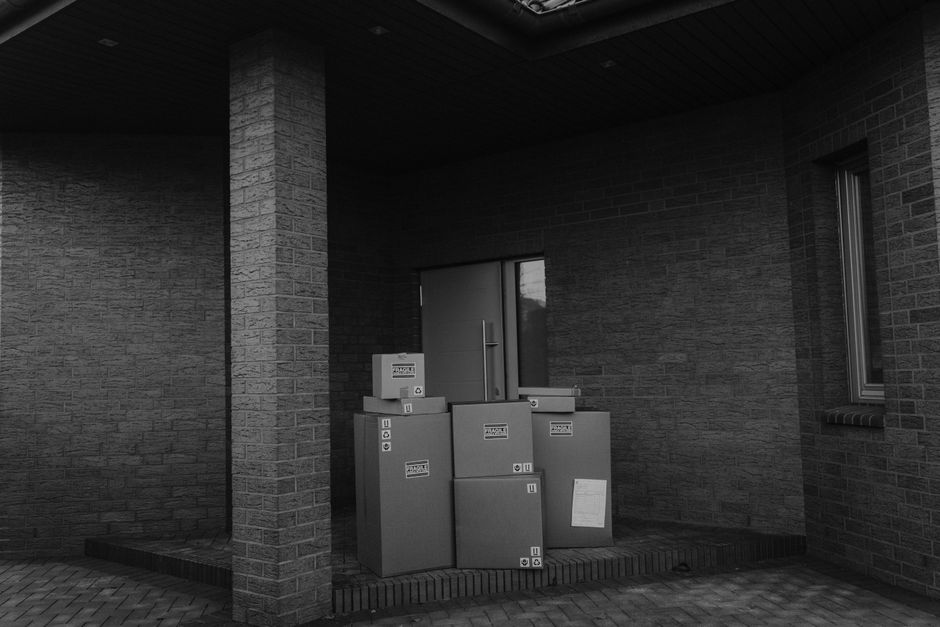
Working from home usually means more deliveries: lunch, groceries, work supplies, and the packages you now order because you are home to receive them. That has knock-on effects for the whole building. Buzzers ring more often. Delivery drivers prop the front door open or hold it for each other, which is a real security gap. Packages pile up in a lobby that was never designed for the volume.
You cannot control the drivers, but you can shrink your own footprint. Bring your packages in promptly instead of letting them stack up in the shared entry. Use a delivery locker or pickup point for non-urgent orders if your building or neighborhood offers one. When a driver buzzes for a neighbor and you happen to answer, helping once is fine, but do not make a habit of buzzing strangers in on someone else’s behalf. If a package lands at your door by mistake, handling it the way you would want a misdelivered package handled for you keeps the whole system civil.
Shared amenities during work hours
Many buildings now have a co-working room, a lounge, or a lobby with tables, and remote workers naturally gravitate to them. These spaces are genuinely useful, but they are shared, and the etiquette is not the same as a coffee shop. Do not take calls at a volume that fills the room. Do not colonize the best table with a second monitor and a charging station for eight hours straight. Do not treat a lounge that other residents use for relaxing as your private office. If your building has a dedicated building co-working space, learn its real norms before you settle in, because the unwritten rules there tend to be stronger than the posted ones.
The same logic applies to daytime use of the laundry room, the gym, and the elevator. When you are home all day, it is easy to assume the off-peak hours belong to you. They mostly do, but the retiree, the parent, and the night-shift worker have the same claim on them.
Background sound: keyboards, music, pets, and kids
Voice is the obvious one, but a full workday generates a steady layer of other sound. Mechanical keyboards carry further through a floor than people realize. Music you play to focus is music your neighbor did not choose. A dog that is calm while you are out may bark all day once it senses you moving around behind a closed office door.
None of this means you have to work in silence. It means working with a little awareness. Keep focus music at a level that stays inside your own unit. If your keyboard is loud, a desk mat under it helps. If your dog reacts to your movement, a midday walk or a chew toy does more than any correction. And if the deeper issue is simply that your walls sound thin, there are practical fixes for that too, and they help in both directions.
You are now the building’s daytime presence
Not all of this is a burden. A resident who is home during the day is one of the most useful things a building can have. You are the person who notices water spreading across a hallway floor, hears a smoke alarm going off in an empty unit, signs for a neighbor’s medication, or is simply around when a contractor needs access. Being home all day changes your obligations, but it also makes you a quiet safety layer that a building of empty daytime units does not have.
You can lean into that gently. Learn a few names. Let the neighbor who travels know you are usually around if a package needs watching. None of this requires you to become the building’s unpaid concierge, but a little visible reliability buys a lot of goodwill, and goodwill is exactly what smooths over the day you do have one genuinely loud call.
Setting up a space that leaks less sound
A few one-time changes do more than daily vigilance ever will:
- Put your desk against an interior wall rather than a shared one, if the layout allows it.
- Add soft surfaces that absorb sound: a rug, curtains, a bookshelf against the party wall, or fabric panels behind your desk.
- Keep a closed door between your workspace and the wall you share, which cuts voice noticeably.
- Test your own setup once. Have someone stand in the hall while you talk at a normal call volume, and listen to how much actually escapes.
When a neighbor raises it with you
If someone tells you your calls are coming through the wall, treat it as useful information rather than an accusation. They almost certainly waited a while before saying anything, which means it has been bothering them longer than this one conversation suggests. Thank them, ask which room or time of day is worst, and make one concrete change they can actually hear. Rules vary by building and by local law, and a daytime noise complaint rarely rises to anything official, but you do not want it to get that far.
Working from home is not an imposition on your neighbors by default. It becomes one only when the sound, the deliveries, and the shared spaces are handled without any thought at all. Handled with a little care, it can quietly make you one of the better neighbors in the building: present, reliable, and genuinely easy to live beside.
Frequently asked
Do quiet hours apply while I work from home during the day?
Formal quiet hours usually cover the night, not the workday, and the exact window varies by building and local law. During the day the standard is consideration rather than a rule, because night-shift workers, parents, and retirees may be home trying to concentrate.
Are my video calls really loud enough for neighbors to hear?
Often yes. Speech passes through walls easily because the ear picks a voice out of background noise, and back-to-back calls multiply the exposure. A headset, a closed window, and an interior room all reduce how much of your voice reaches the units around you.
What should I do about the extra deliveries working from home creates?
Bring packages in promptly instead of letting them pile up in shared entries, use a locker or pickup point for non-urgent orders, and avoid buzzing strangers in on a neighbor's behalf. Small habits keep the lobby and the front door manageable for everyone.
Can I take work calls on my balcony or patio?
You can, but sound travels farther outside than most people expect. A voice on a balcony reaches every unit sharing that face of the building and often across a courtyard. Save outdoor spaces for occasional calls, not your default all-day office.
A neighbor complained about my daytime noise. How should I respond?
Treat it as information, not an attack. They likely waited before speaking, so thank them, ask which room or time is worst, and make one concrete change they can hear. Daytime complaints rarely become official, and an early fix is cheap.
Related guides
 Neighbor Etiquette
Returning a Lost Package the Right Way
A misdelivered package is one of the smallest, friendliest social moments in shared living. The way you return it sets…
 Neighbor Etiquette
Quiet Hours, Honestly Explained
Quiet hours are simpler than rule books suggest, and harder than the rule books admit. A practical look at what…
 Neighbor Etiquette
The Borrowed Lawnmower Problem
Borrowing something from a neighbor sounds simple. Most lasting neighbor disputes are quietly born in moments where the borrowing did…