The Polite Way to Suggest a Building Safety Improvement
A specific, calmly proposed safety improvement gets a different response than a vague complaint about safety. The framing matters as much as the substance.


Suggesting building safety improvements is one of the small skills of long-term apartment living. Done well, it produces real change in your environment. Done badly, it produces frustration and nothing else. The difference is mostly in how the suggestion is framed.
The principles that matter
Three principles shape almost every successful suggestion:
- Be specific about the problem.
- Propose a specific solution, not just identify the problem.
- Make it easy to say yes.
Most suggestions fail because they violate one or more of these. A vague problem (“the lobby feels unsafe”) cannot be acted on. A problem without a solution (“we need to do something about packages”) puts the work on management. A solution that is hard to implement (full renovation of the entry system) gets a slow polite no.
The successful suggestion identifies a specific issue, proposes a specific fix that is reasonable in cost and effort, and makes it easy for management to agree.
Example: the lobby light
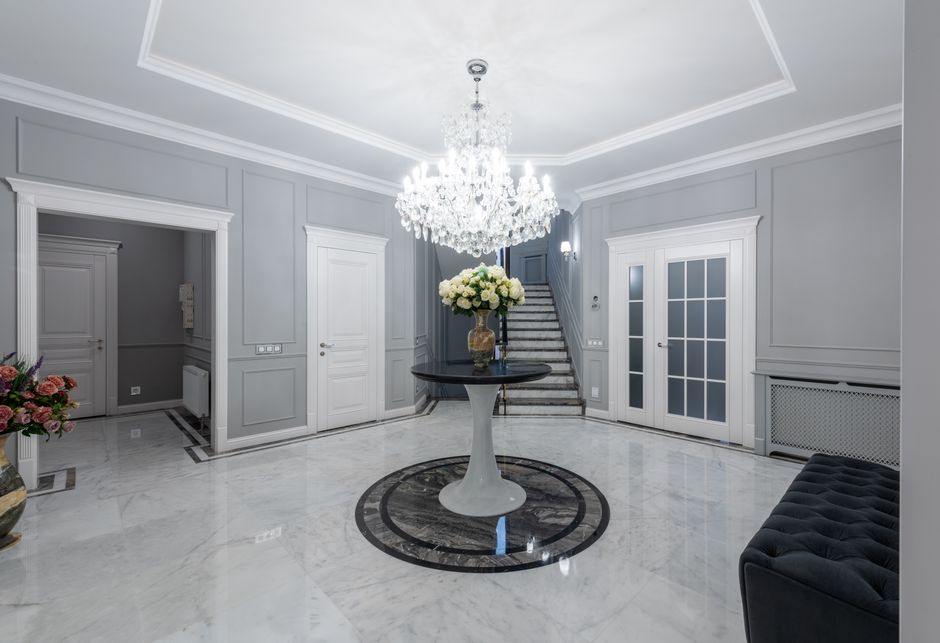
Lobby lighting is a good example of a small, easy suggestion. Old fluorescent panels flicker and give a lobby a clinical, slightly sad feel at night. The proposal is simple: replace the panels with warm LED panels at the same fixture mount. Same electrical infrastructure. Same mounting. Better light. Possibly lower energy bills.
The email was three lines. It identified the problem, proposed the fix, and asked if it was worth considering. The response was a request for the specific product I had in mind. Within a month the lighting was upgraded. Other residents noticed. The lobby felt different. The cost was small. The benefit was real.
The same pattern works for many small safety improvements. A specific identifiable upgrade, a clear small solution, and an offer to help.
If you can include a rough cost estimate in your suggestion, even a casual one, you greatly increase the chance of action. Management often does not know the cost of a fix and the unknown can stall the decision. A line like “These should be in the $200 to $400 range per fixture” gives them a budget to evaluate against.
What management actually cares about
Building management cares about a few specific things when evaluating safety suggestions:
- Will this reduce real incidents or complaints?
- What is the cost relative to the building budget?
- Does it require structural changes or permits?
- Will residents notice and appreciate it?
- Does it create new maintenance burden?
- Are other residents supportive or will some complain about the change?
If your suggestion addresses these points proactively, the decision becomes much easier. A suggestion that says “this would reduce package theft, cost about a few hundred dollars, no permits needed, would be appreciated by residents I have spoken with, low maintenance” essentially writes the management memo for the property owner. Reference: the U.S. Postal Inspection Service’s mail and package theft resources.
The petition versus single-voice question
For some suggestions, a single resident’s request is enough. For others, multiple residents signing on increases the chance of action. The right approach depends on the size of the proposed change.
Single-resident suggestions work best for small, low-cost changes (a light fixture, a sign, a small piece of equipment). Multi-resident support helps for medium changes (new package lockers, additional cameras, security upgrades). For large changes (renovation of common areas, structural security improvements), broader resident support is often required.
If you decide to gather signatures or co-signers, keep the document brief. A short statement of the issue, the proposed fix, and a list of supporting residents. Avoid the petition style with long manifesto-style introductions. A clean three-paragraph document with a list of names is much more effective.
The right channel
Different suggestions go through different channels:
- Maintenance-style improvements (lighting, locks, signs) typically go to the building manager or super.
- Policy-style improvements (new package rules, visitor protocols) go to building management or the property management company.
- Capital improvements (new equipment, structural changes, larger renovations) often go to the property owner or HOA board.
- Resident-facing improvements (community events, shared amenities) sometimes go through a resident committee or association.
Sending the suggestion to the right channel speeds resolution and ensures the right people see it. A suggestion sent through the wrong channel often sits unanswered or gets delayed in handoffs.
The follow-up cadence
If you do not hear back within a week or two on a suggestion, a short follow-up is reasonable. “Following up on my note from last week about the lobby light. Happy to discuss if useful.” The follow-up keeps the suggestion visible without pestering.
If the answer is no, accept it gracefully. Sometimes the answer is “not now, maybe later” rather than a permanent no. Ask if it might be reconsidered in the next budget cycle. Many improvements happen on a delay because they need to fit into annual planning.
If the answer is yes, follow through. Help coordinate if you offered to. Be available for any questions during implementation. Thank the management when the change is complete. The thank-you sets the tone for the next suggestion.
The suggestion that becomes the relationship
Residents who make occasional, well-framed suggestions become known to management as helpful contributors rather than complainers. The next suggestion gets faster attention. The relationship deepens. Over years, this resident becomes someone management actually consults on building decisions, because their input has consistently been useful.
The opposite is also true. Residents who make frequent, vague, demanding suggestions become known as the complainers. Their suggestions are read with a sigh. Many are filed without serious consideration. The relationship calcifies.
The difference is not the volume of suggestions. It is the quality. One thoughtful suggestion per quarter is more effective than a complaint every week.
Examples that have worked
A few specific improvements I have seen residents successfully propose:
- Replacing dim hallway lights with warmer, brighter LED fixtures.
- Installing a small lockable mailbox for outgoing mail.
- Adding a doorstop wedge for the laundry room door so it stops swinging into people.
- Installing a small bench in the elevator lobby for residents waiting.
- Adding a package shelf separate from the mail area to reduce mailroom congestion.
- Replacing a noisy elevator alert with a softer tone.
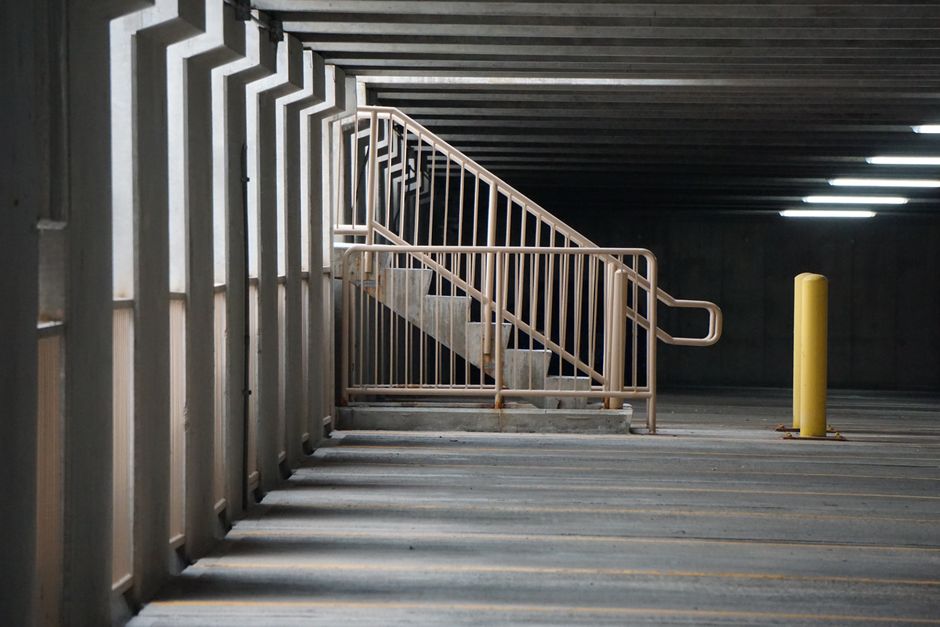
- Adding additional lighting in the parking garage stairwell.
- Installing a small charging station in the lobby for residents.
- Creating a building-wide policy about quiet hours and posting it visibly.
- Adding a sign reminding residents not to hold the front door for unknown people.
None of these were large. Each made the building meaningfully better. Each came from a single resident who took the time to identify a specific problem, propose a specific fix, and ask politely.
The longer game
Buildings evolve through the small contributions of residents over time. Most of the improvements that long-term residents enjoy were not part of the original design. They were added by previous residents who proposed them well. Your suggestions, if framed well, become part of the building’s improvement pattern. Future residents will benefit from changes you proposed without knowing where they came from.
This is one of the quieter forms of community contribution in apartment living. You are not just a tenant. You are a participant in the building’s evolution. The skill of making a useful suggestion well is one of the small skills of being a thoughtful resident. The cost is small. The cumulative effect, over years, is the kind of building that quietly gets better instead of quietly decaying.
Frequently asked
How many suggestions per year is too many?
One thoughtful suggestion per quarter is a healthy cadence. More than that and you start to be seen as a chronic suggester. Quality matters far more than quantity.
What if my building has no formal channel for suggestions?
Email the property manager directly. If you do not know who that is, the building manager or super can usually direct your message to the right person.
Should I expect a response to every suggestion?
A response is reasonable. Action is not always. Sometimes the answer is yes but slow. Sometimes it is no for budget reasons. Sometimes the suggestion gets shelved for future consideration.
Is it worth working with the HOA or resident board?
For larger improvements, yes. The board often has authority for capital decisions that the building manager does not. For small improvements, the building manager is usually sufficient.
Related guides
 Community Safety
What to Do When a Stranger Tailgates Through the Door
A stranger walking in behind you is the most common building security failure. A calm, repeatable approach that keeps your…
 Community Safety
When You See Something That Feels Off: A Pause Before the 911 Call
A 911 call has real consequences. A brief pause before making the call helps match the response to the situation.…
 Community Safety
Reading Your Building: A Calm Way to Notice Patterns
Noticing patterns in your apartment building is a quiet skill that improves your safety and your sense of belonging. A…