When Their Behavior Crosses From Annoying to Worrying
Some neighbor behavior is annoying. Some is worrying. The difference is important and the response to each is different.


Most neighbor situations are simply annoying. A barking dog. Late-night music. A messy entryway. Borrowed items not returned. These are friction points that need addressing but do not warrant alarm. Some neighbor situations cross into a different category. They suggest something is genuinely wrong, either with the neighbor’s situation or with their relationship to you and the building. Knowing the difference matters because the response to each is different.
Most residents handle the annoying category well. They have conversations, document patterns, escalate when needed, and eventually resolve things. The worrying category is less familiar and easier to mishandle. Either by underreacting (writing off real warning signs as just more annoyance) or by overreacting (treating normal eccentricity as threat). Here is how to tell the difference.
The categories
Neighbor behavior falls into roughly four categories:
- Normal life. Behavior within the range of what residents do in shared buildings. Not a problem.
- Annoying. Behavior that creates friction but is within the range of normal life conflicts. Addressable through standard channels.
- Worrying. Behavior that suggests something more serious going on with the neighbor. May warrant building management or external intervention.
- Dangerous. Behavior that threatens safety. Requires immediate response, often emergency services.
The skill is recognizing which category a behavior falls into. Most behavior is the first two. Some is the third. Rare situations are the fourth.

The signs that suggest worrying
Certain patterns suggest a neighbor situation has crossed from annoying to worrying:
- Behavior changes that are dramatic or unexplained. A previously calm neighbor becomes erratic. A previously quiet unit becomes chaotic.
- Signs of self-neglect. Visible decline in personal care, hygiene, or unit condition. Mail accumulating. Bills piling up.
- Sustained crying, yelling, or distress sounds. Especially if recurring over multiple days.
- Sounds of physical conflict. Impacts, screams, sustained shouting that includes fear.
- Children left alone for long periods. Especially if young or apparently distressed.
- Hoarding signs. Visible accumulation through the unit door, smells, pest issues spreading from one unit.
- Threats toward neighbors, staff, or self. Even if seemingly casual.
- Significant cognitive issues. Confusion, wandering, getting lost in the building, leaving things on the stove.
- Active substance abuse impacting their behavior. Especially if combined with other concerning signs.
- Increasing isolation. Withdrawal from previously normal social contact.
None of these alone is automatic cause for action. Multiple signs together, or one severe sign, warrant attention.
Single incidents can be many things. A pattern over weeks is more meaningful. The neighbor who has one bad night is having a bad night. The neighbor who has bad nights every night for two weeks may need help. Pay attention to patterns, not just individual events.
What to do for worrying behavior
The response to worrying (but not immediately dangerous) behavior:
- Verify your observations. Are you seeing what you think you are seeing? Have other neighbors noticed?
- Consider whether direct conversation is appropriate. For some situations, yes. For others, no.
- Tell building management. They have context and resources you do not.
- Suggest welfare check if appropriate. Police or social services can do welfare checks for residents who seem to be in distress.
- Consider non-emergency lines. Many cities have specific resources for mental health, elder welfare, child welfare concerns.
- Document what you observe. Patterns matter to authorities even if individual incidents do not warrant action.
The goal is to bring appropriate resources to bear, not to confront or to solve the situation yourself.
The mental health considerations
Some worrying behavior reflects mental health issues. The response should be compassionate but realistic.
Things to know:
- Most people with mental health issues are not dangerous to others.
- Mental health crises often appear as confusion, disorientation, or unusual behavior.
- Police are not always the right response for mental health crises.
- Some cities have dedicated mental health response teams that can be dispatched instead of police.
- Forcing someone into treatment is generally not possible except in specific emergency circumstances.
If you suspect a neighbor is in a mental health crisis without immediate danger, the appropriate resources include crisis hotlines, mental health response teams, social services, and sometimes family members if you can identify them. Reference: the 988 Suicide and Crisis Lifeline.
The elder welfare considerations
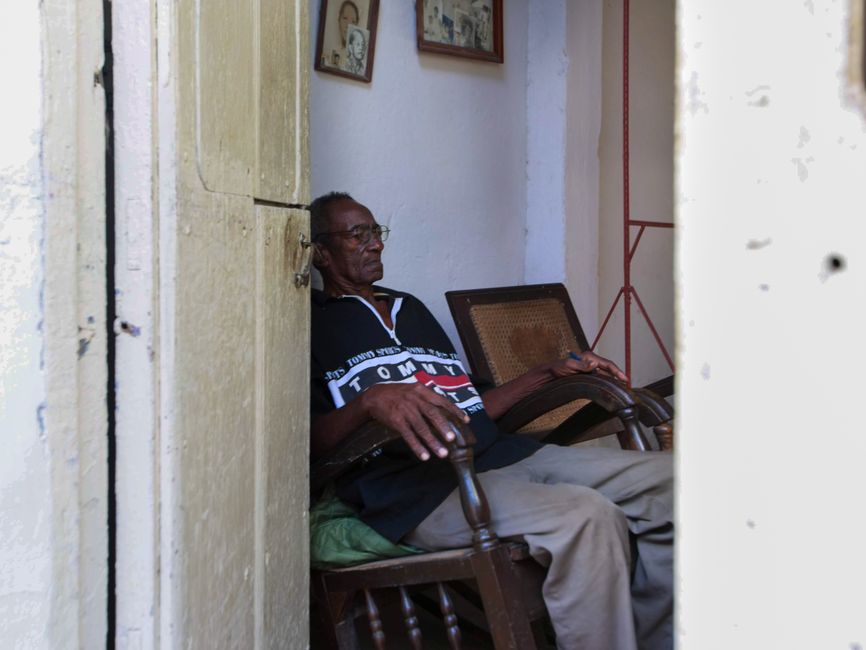
Elderly neighbors sometimes show signs of decline that warrant attention. Signs include:
- Cognitive issues (confusion, repeated questions, getting lost).
- Self-neglect (visible weight loss, hygiene issues, unit deterioration).
- Unsafe behaviors (forgetting the stove, opening the door to strangers, falling).
- Isolation (no visitors, no regular contact with anyone).
For elderly neighbors, adult protective services in your area can do welfare checks and connect residents with appropriate resources. The neighbor often has family who would want to know but may have lost contact.
A friendly check-in from a neighbor is sometimes appreciated. “Hi, I have not seen you around lately. Are you doing okay?” The conversation may reveal that they need help and may connect you with their family or care network.
The child welfare considerations
If you have concerns about children in a neighbor’s unit:
- Signs to watch for: visible neglect, unsupervised young children, sounds of severe punishment, unusual injuries, statements from the children themselves.
- The response: contact child protective services in your jurisdiction. They will assess and act if appropriate.
- You can usually report anonymously.
- For immediate safety situations, call 911.
Child welfare reports are taken seriously. False reports have consequences, so report only what you have actually observed. But real concerns should not be ignored out of reluctance to involve authorities.
The substance-related considerations
Substance abuse by a neighbor sometimes creates worrying patterns:
- Visible intoxication regularly in common areas.
- Strangers coming and going at unusual hours.
- Smells from cooking certain substances.
- Aggressive or erratic behavior tied to substance use.
For substance abuse alone (without other dangerous behavior), the response is usually through building management and lease enforcement. Active drug-related activity may warrant law enforcement involvement.
For substance use that is private and not affecting others, the response may be just compassion. Not every personal struggle is a neighbor problem.
The conversation that might help
For some worrying situations, a direct kind conversation can help. A neighbor in distress may not know that anyone has noticed. Asking plainly, “Are you doing okay?”, can sometimes be the connection that leads to them accepting help.
This works for situations where:
- You have some existing relationship with the neighbor.
- The situation does not involve violence or active danger.
- You can have the conversation without seeming intrusive.
It does not work for situations involving violence, addiction in active denial, or relationships where you are not the right person to reach out. In those cases, professional intervention is better.
The self-protection consideration
Your own safety matters. Do not put yourself in harm’s way to address a worrying neighbor situation. The role of a concerned neighbor is to notice, report, and sometimes offer compassion. Not to intervene in dangerous situations or to provide therapy.
If a neighbor situation feels threatening to you, that feeling matters. Document. Tell management. Tell police if appropriate. Maintain physical distance. Keep your own door secured.
Noticing without taking over
Most apartment communities have a few residents who are struggling at any given time. Some struggles are private and managed. Some become visible enough that neighbors notice. A small number warrant external intervention.
The role of a thoughtful neighbor is to notice with care, distinguish annoying from worrying, respond appropriately to each category, and bring appropriate resources to bear when needed.
This is one of the quieter forms of community responsibility. You are not your neighbor’s caregiver. You are also not someone who looks away when someone is clearly in trouble. The middle ground is paying calm attention, acting when action would help, and trusting your read of the situation enough to call for backup when you cannot solve it alone.
Frequently asked
How do I report a welfare concern without overreacting?
Be specific in your report. Describe what you have observed, not what you think it means. Let the responders assess. Most welfare checks are low-impact and produce no harm if the concern turns out to be nothing.
What if the neighbor gets angry that I reported something?
Some neighbors do. The discomfort of being asked about welfare is much smaller than the cost of unaddressed real problems. You acted on what you saw in good faith.
Should I tell other neighbors about my concerns?
Selectively. Sharing concerns with a few trusted neighbors can help confirm whether others are noticing similar things. Broad gossip is counterproductive and disrespects the affected neighbor.
What if building management does not take my concerns seriously?
Document and escalate. Property managers, owners, or external authorities (welfare services, police non-emergency) may be appropriate. Serious concerns deserve persistence.
Related guides
 Conflict Resolution
Living Above a Conflict Without Joining It
Other residents' disputes affect the whole building. A grounded guide to staying out of conflicts that are not yours.
 Conflict Resolution
Rebuilding After a Big Argument With a Neighbor
A serious argument with a neighbor leaves real damage. A grounded guide to repairing the relationship when both sides are…
 Conflict Resolution
The First Knock: How to Start a Difficult Neighbor Conversation
The first conversation with a neighbor about a problem usually decides the whole arc. A grounded guide to making it…