Giving Someone a Spare Key Safely: Neighbors, Cleaners, and Dog Walkers
At some point most renters need to hand a key to someone else. A neighbor who can let the plumber in while you are at work. A cleaner who comes every other week. A dog walker…

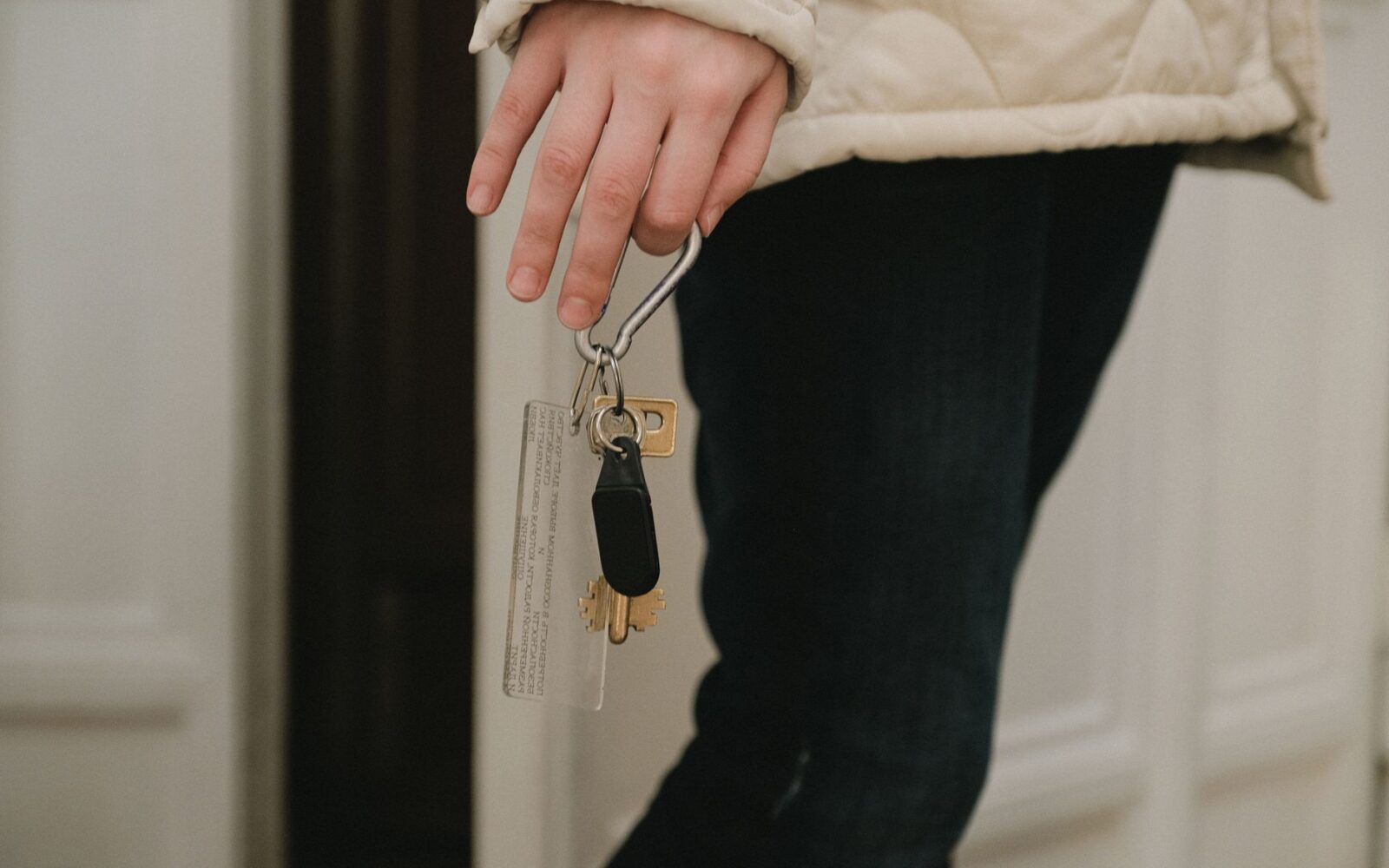
At some point most renters need to hand a key to someone else. A neighbor who can let the plumber in while you are at work. A cleaner who comes every other week. A dog walker who visits at noon. The convenience is real, and so is the small risk that comes with it.
Giving out a spare key is not reckless. Done with a little thought, it is one of the ordinary systems that make a busy life workable. The goal is not to eliminate the risk, which you cannot, but to keep it small and reversible.
Here is how to give someone access to your home without giving away more than you meant to.
Start by deciding who actually needs a key
Before you copy anything, get clear on what you are solving. “It would be convenient” is a weak reason to create a second key. “The dog needs a midday walk five days a week” is a strong one.
Match the access to the need. A one-time delivery does not require a permanent key. A recurring service does. When the need is occasional, a temporary method (a code you can change, a lockbox you control) is almost always better than a metal key that lives in someone else’s pocket indefinitely.
Ask yourself three questions: How often will this person need in? For how long will the arrangement last? And what, exactly, do they need to reach once inside? The answers point you toward the right method.
What a spare key can and cannot reach
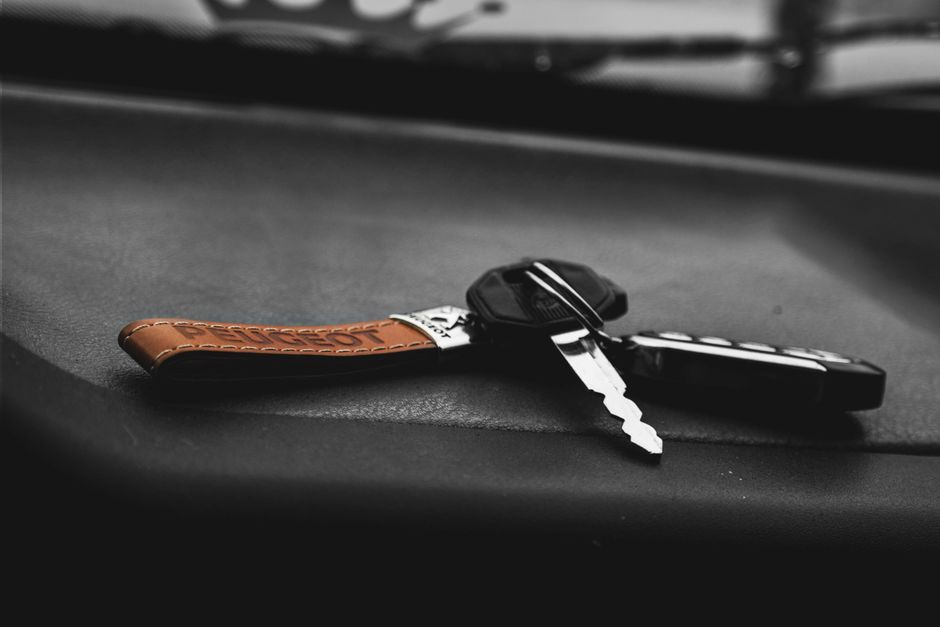
A key is rarely just your front door. In many buildings the same key or fob also reaches the lobby, the mail area, the parking gate, the gym, and sometimes a storage cage. When you hand over a full set, you are handing over the building, not only your unit.
So think in layers before you copy anything:
- Give the unit door key only, not the building entry fob, when the person can be buzzed in or the entrance is staffed.
- If they genuinely need building access too, remember that a lost fob may expose every common door, and report a lost fob to management promptly.
- Lock away anything you would not want a stranger handling: spare cash, passports, medication, and spare keys to other properties.
Neighbors: the person, not just the key
A neighbor with your key is the most flexible arrangement and the one that depends most on judgment. The right neighbor is someone you would trust with more than the key: reliable, discreet, and likely to still be living there next year. This is one more reason that knowing your neighbors pays off long before you ever need a favor.
Keep it mutual and light. Offer to hold their key too, so the exchange feels like a shared safety net rather than a one-sided request. Be specific about when you expect them to use it: for a scheduled repair, a suspected leak, or a genuine emergency, not to drop by uninvited.
Emergency access is the quiet argument for a neighbor key. If you are locked out at 11 at night, a neighbor with a spare saves you a locksmith call. If a pipe bursts while you travel, someone nearby can act before the damage spreads.
Cleaners: services, independents, and codes
Cleaning arrangements fall into two types, and they call for different handling.
A professional service that sends staff is usually the lower-risk option on paper. Reputable companies are often bonded and insured, screen their employees, and can tell you who is assigned to your home. Ask directly: are your cleaners insured and bonded, will the same person come each time, and what is your policy if something goes missing?
An independent cleaner you hire directly is a relationship built on trust rather than on a company’s insurance. That can be excellent, but the access method matters more. A keypad code you can change after the arrangement ends, or a lockbox you reset, keeps you from chasing down a physical key later.
Dog walkers and pet sitters
Dog walkers need reliable, recurring access, often when you are not home, which makes them one of the more sensitive handoffs. As with cleaners, a professional pet-sitting service may carry insurance and bonding and can vet its walkers, while an independent walker is a personal trust decision.
A few habits reduce the risk:
- Prefer a changeable code or a lockbox over a permanent key, so access ends cleanly when the walks do.
- Confirm the visit window and route, and consider a camera in a common area (never anywhere private) so you can confirm the visits actually happened.
- Meet the actual walker before the first solo visit, not only the app or the company that assigned them.
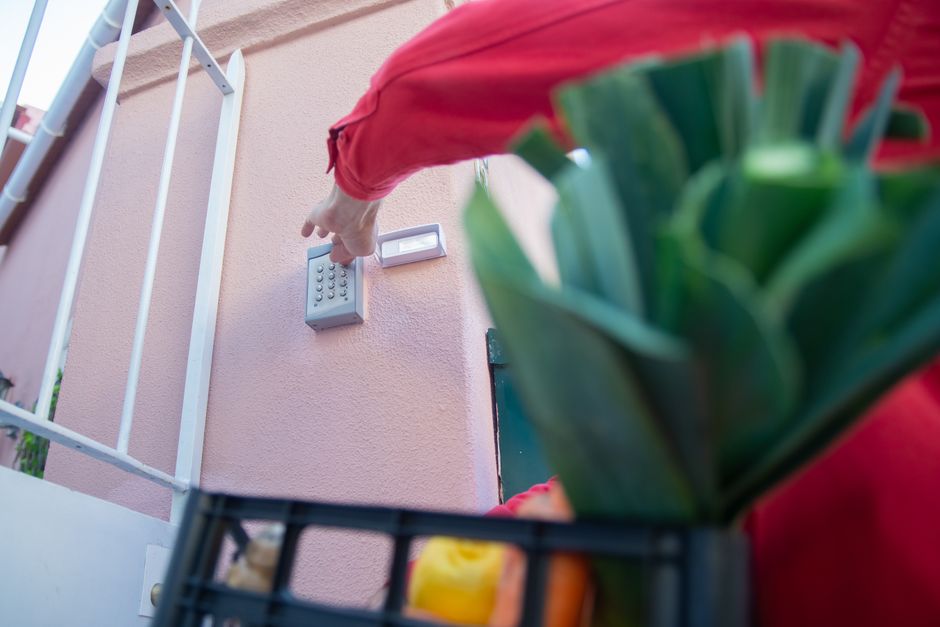
Alternatives worth considering: lockboxes, keypads, and smart locks
A metal key is the least controllable form of access. Once it exists, you cannot see who holds it or whether it has been copied. Several alternatives give you far more control.
- A keypad or smart lock. You can issue a unique code per person, change it in seconds, and on many models see a log of who entered and when. Codes can often be scheduled to work only during expected hours.
- A lockbox. The realtor-style box that holds a key behind a code lets you grant temporary access without handing over anything permanent. Position it where you control it, and reset the code between users.
- A “do not duplicate” key. Worth knowing: that stamp is a request, not a lock. Most hardware stores can still copy it. Only a genuine restricted keyway, meaning a high-security system that requires authorization to cut a copy, actually prevents duplication.
Renters have a wrinkle here. Many locks and smart devices attach to the door, and changing them touches the landlord’s property. That leads directly to the next point.
Check your lease before you copy anything
Rules about keys and locks vary widely by location and by lease, so this is a place to check rather than assume. Before you copy anything or drill in a new device, it is worth reading your lease and, where it matters, your local tenant laws.
Common terms to look for:
- Whether you are allowed to duplicate keys at all, and whether the landlord must receive a copy of any new key.
- Whether you may install a keypad or smart lock, and whether it must be removed or surrendered at move-out.
- Whether changing or rekeying a lock without permission is prohibited, which it often is in a rented unit.
Some places give tenants specific rights around locks and rekeying, and some give landlords the right to hold a key for emergencies. Because these rules genuinely differ from one area to the next, treat any blanket claim you read online with caution and confirm what applies where you live.
Never label the key with your address
This is the single easiest mistake to avoid. A key tagged with your address or unit number turns a lost key into a map to your door. If it falls out of a pocket on the bus, whoever finds it knows exactly where it fits.
- Use a blank tag, a color, or a first name only, never the address or apartment number.
- Do not hide a spare under the mat, in a fake rock, or above the door frame. Those are the first places anyone checks.
- If you must stage a key for someone, use a lockbox with a code rather than a hiding place.
Keep a simple record of who has access
Once more than one person can enter your home, memory is not enough. Keep a short list, on paper or in your phone, of who holds a key or code, which one, and since when. It takes a minute and saves real confusion later.
The same care applies when you are hosting house guests or letting a contractor in for a week: note the temporary access you granted, and confirm it ended. When an arrangement changes, that list tells you exactly what to reset.
Getting the key back, and rekeying when needed
Every access arrangement should have an ending you actually execute. When a cleaner, walker, or short-term helper stops coming, close the loop the same week: collect the key, change the code, or reset the lockbox.
Sometimes a physical key cannot be recovered. It was lost, the person moved away, or a roommate left on bad terms. When you cannot account for a key, rekeying is the honest fix. A locksmith can rekey most standard locks so the old keys no longer turn, and rekeying is usually cheaper than replacing the lock entirely. In a rental, get the landlord’s permission first, since the lock is their property and they may want a copy of the new key.
When something goes wrong
Most key arrangements end quietly. A few do not, and it helps to know the calm response in advance.
- A key is not returned. Ask once, plainly and without accusation. If it still does not come back, rekey and move on rather than escalating.
- You suspect a key was copied. You usually cannot prove it, so act on the risk, not the proof. Rekey, and switch that person to a changeable code if the relationship continues.
- Something is missing after a visit. For a professional service, report it to the company, which is exactly why bonding matters. For an independent, this becomes an honest decision about whether the relationship continues.
- A key or fob is lost in the building. Tell management promptly, especially if it opened common doors, so they can decide whether a shared lock or fob needs changing.
A spare key is a small act of trust, and trust works best when it is bounded. Give access to the right person, in the smallest form that solves the problem, with a clear ending you will actually carry out. Apply the same attention you give your own front door, and a spare key stays what it should be: a convenience, not a worry.
Frequently asked
Should I give my cleaner a physical key or a code?
A changeable code or a lockbox you control is usually better than a permanent key, because you can end access cleanly when the arrangement stops. If you hire a cleaning service, ask whether their staff are insured and bonded before the first visit.
Is it legal to make a copy of my apartment key?
It depends on your lease and local law, which vary widely. Some leases prohibit duplicating keys or require giving the landlord a copy, and some locks use restricted keyways that cannot be copied without authorization. Check your lease before making a copy.
What should I do if someone does not return my key?
Ask once, plainly. If it still does not come back, rekey the lock rather than escalating. A locksmith can rekey most standard locks so the old keys stop working, and it is usually cheaper than a full replacement. In a rental, ask your landlord first.
Where should I keep a spare key for emergencies?
With a trusted neighbor, or in a lockbox with a code you control. Avoid the obvious hiding spots like under the mat, in a fake rock, or above the door frame, since those are the first places anyone looks.
Can I install a smart lock in my rental?
Sometimes, but check your lease first. Many landlords require permission, want a copy of any code or key, and expect the original hardware restored at move-out. Because the door is their property, changing locks without approval can violate the lease.
Related guides
 Community Safety
Why Loud Hallways Sometimes Mean Safer Hallways
A quiet hallway feels safe but a hallway with normal life sounds is often the safer one. A grounded look…
 Community Safety
Hosting House Guests Without Compromising Building Security
House guests in an apartment building require a quick orientation that most hosts skip. A grounded guide to giving them…
 Community Safety
Knowing Your Neighbors as a Quiet Safety Layer
Knowing the people on your floor is one of the most underrated safety upgrades in apartment living. A grounded guide…