When the Pool Opens: Sharing Without Tension
A shared building pool is one of the most-loved amenities and one of the most-contested. A few patterns keep it pleasant for everyone.

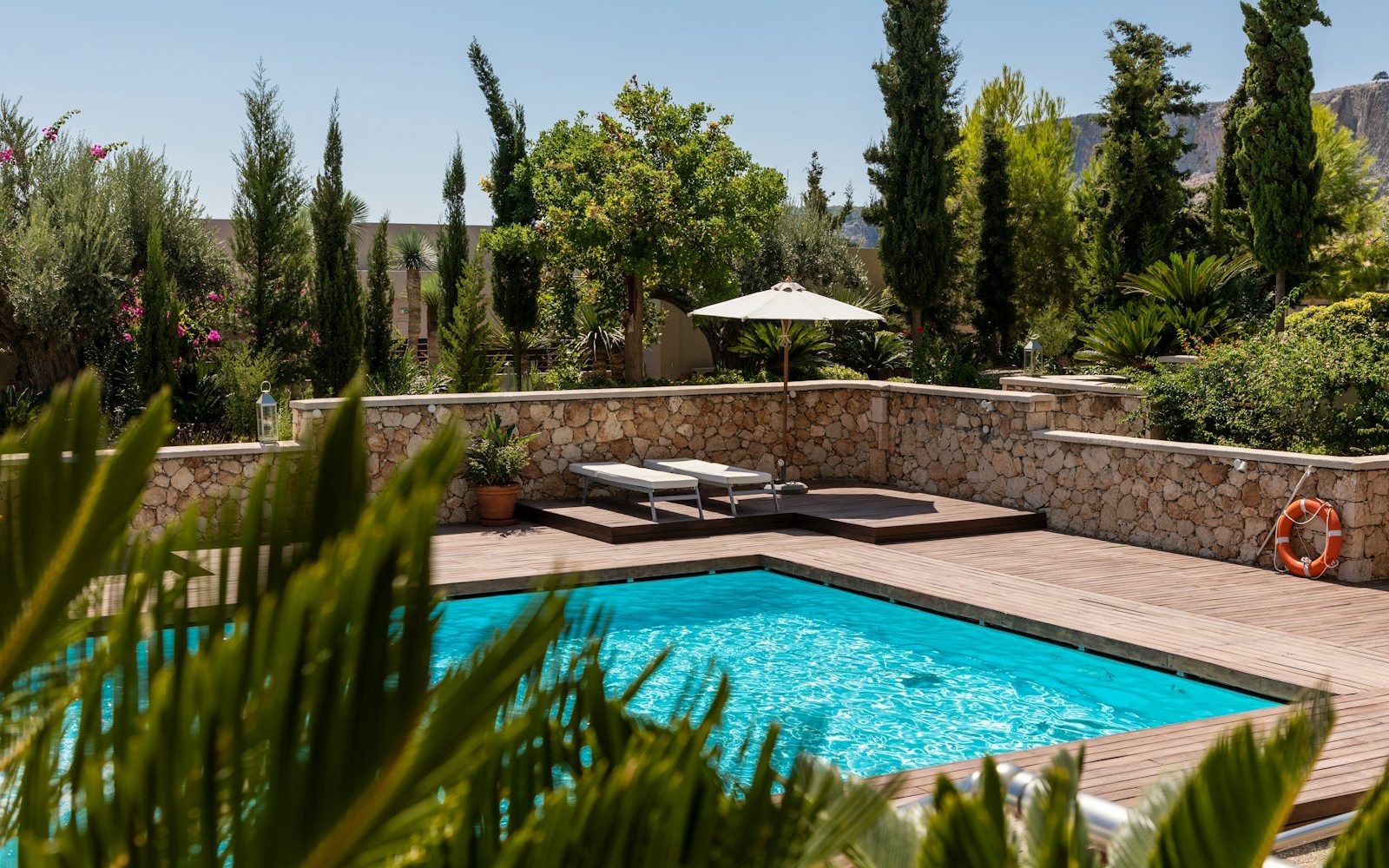
A shared apartment pool is one of the better amenities a building can offer. It is also one of the most contested, because it is a finite space with many possible uses that do not always coexist gracefully. A few patterns keep the pool pleasant. They are mostly common sense. Most are explicitly in the building rules. Almost all are routinely ignored.
The rules are usually posted, and they usually apply
Most buildings have posted pool rules. They cover things like operating hours, guest limits, food and drink restrictions, glass containers, dive prohibitions, child supervision requirements, noise rules.
Read them. The rules exist because of past problems. They are not arbitrary. Following them is the simplest path to being a low-conflict pool user.
The most common rule violations: no glass at the pool (broken glass at a swimming pool is a serious safety hazard), no children unsupervised by adults, no music without headphones, limited guests, no food in the pool itself. Reference: the CDC’s Healthy Swimming guidance.
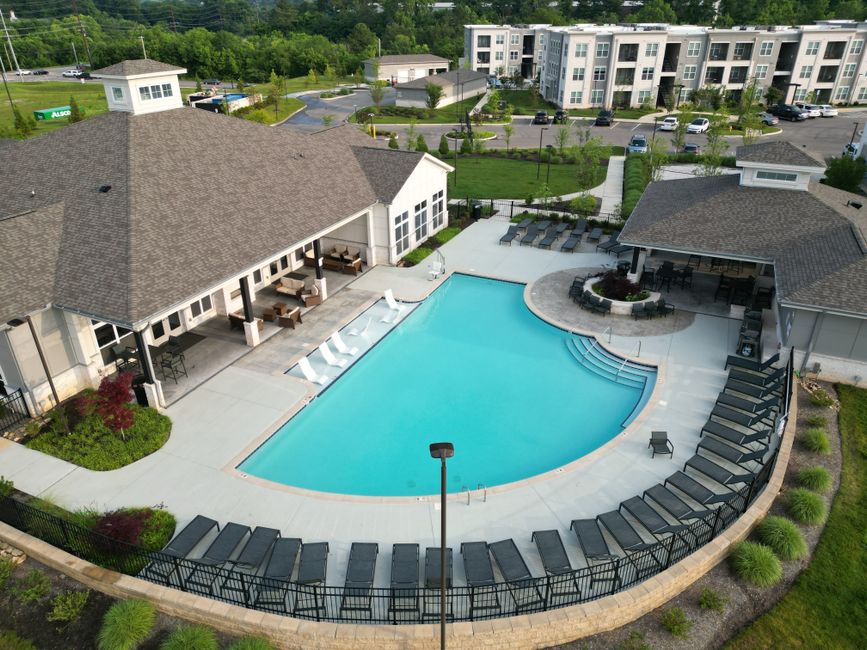
The chair-saving problem
The single most common pool etiquette violation is residents using multiple chairs for one person. They claim a chair for themselves, another for a bag, and sometimes a third for “their family that is on the way.”
The polite norm is one chair per person. Bags go under the chair or on the ground beside it. Saving chairs for people who are not at the pool is generally not acceptable.
The exception is brief absences. If a resident steps away for ten minutes to grab water or use the restroom, leaving a towel on the chair is a reasonable temporary save. Past about thirty minutes, the chair is fair game for the next user.
If you see a chair being saved for extended periods while other residents have nowhere to sit, you can either ask the person nearest about it (“Is this chair being used?”) or simply move a saved towel to a side table and use the chair.
A bag on a chair while you are in the pool for fifteen minutes is fine. A bag on a chair while you are in the pool for two hours, with no return in sight, is taking a chair away from another user. Keep the chair active by returning to it periodically.
The lap-swimming versus play question
Some buildings have multi-use pools where lap swimmers and recreational swimmers share the space. This can create friction. Lap swimmers want clear lanes. Kids want to play. Loungers want quiet.
The peaceful coexistence usually involves time-of-day division. Lap swimmers in the early morning and late evening. Recreational and family use during peak afternoon hours. Quieter use during off-peak.
If your building has heavy use of all three, suggesting designated lap times might help. Many buildings have implemented morning lap lanes (6-8am) and evening lap lanes (8-10pm) to separate the uses. Even informal norms can develop if residents communicate.
The kids question
Kids at the pool are part of life. They are loud, they splash, they have fun. They also need supervision and reasonable behavior. The patterns that work:
- Adults supervise children at all times. The pool is not a babysitter.
- Pool toys are okay but should not overwhelm the shared space.
- Splashing other residents is rude. Teach kids the spatial awareness of shared pools.
- Running on the pool deck is dangerous. Reinforce no running consistently.
- Diaper-age children should wear swim diapers if allowed in the pool at all.
- If kids are getting loud or rowdy, redirect rather than letting it escalate.
The other adults at the pool are usually understanding about reasonable kid behavior. They become less understanding when supervision is absent or the behavior crosses into other residents’ space.
The music question
Music at a shared pool is one of the most contested topics. Some residents love a soundtrack. Others want quiet relaxation. The rule that almost always wins: headphones only.
Bluetooth speakers at a shared pool are inappropriate even at low volume. The music is your choice, but the pool is everyone’s space. Other residents did not opt into your playlist.
If your building has speakers or a designated audio system, that is different. The building has chosen the audio collectively. Individual residents adding their own music to the building’s system is also rude.
For special events (a building gathering, an organized pool party), audio may be permitted but should be approved by management in advance.
The food and drink question
Most buildings allow food and drinks at the pool deck but prohibit them in the water and require non-glass containers. Follow these rules carefully.
Spilled food attracts insects and creates a slippery hazard on the deck. Clean up any spills immediately. Take all food trash with you when you leave.
Alcohol at the pool is allowed in some buildings and prohibited in others. Where allowed, drink responsibly. Pool plus alcohol plus inattention is a known accident pattern. Children should not be near unsecured alcohol. Reference: the CDC’s drowning-prevention resources.
The guest question
Most buildings limit pool guests. Common rules: one guest per resident, no guests during certain hours, no guests during peak weekends, sign-in required at the front desk.
Follow the rules even if they seem strict. The rules exist to keep the pool functional for residents. Bringing six guests when the rule is two creates a real problem that affects every other resident.
For special occasions (a birthday, a visiting family), check with management in advance. Some buildings allow larger guest groups with notice and sometimes a small fee.
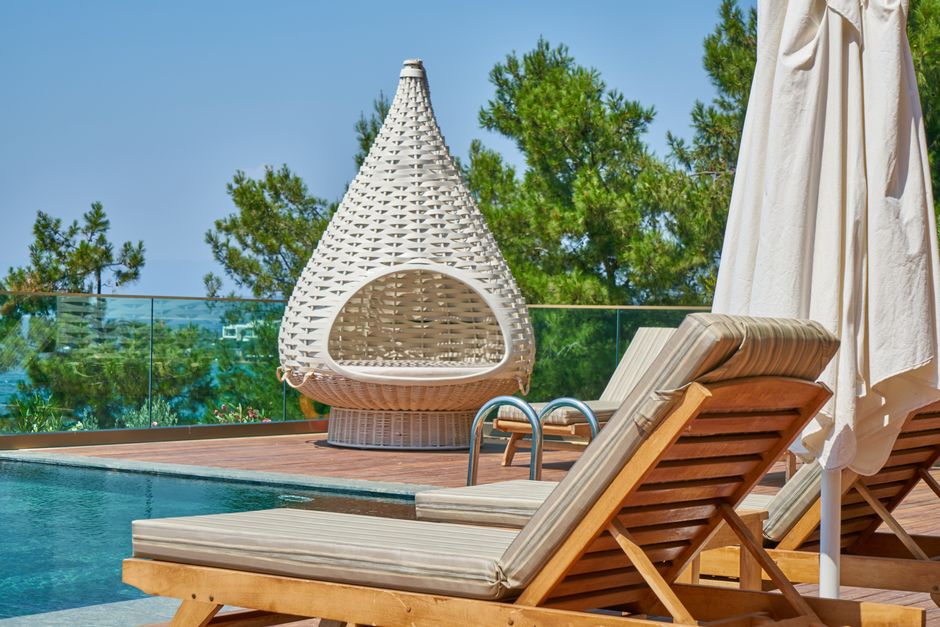
The lounging time-limit norm
How long can you occupy a chair at the pool? The informal norm varies by building. In a building with plenty of chairs, all day is fine. In a building where chairs fill up by noon on weekends, the norm tightens.
The general principle is that during peak times, a few hours is reasonable. Past that, you are dominating a shared amenity. Take breaks. Let other residents have turns.
This is not a strict rule, just a sensibility. Long pool days are fine on quiet weekdays. Long pool days during a packed Saturday are different.
The cleanup-when-you-leave
When you leave the pool, take everything with you. Towels, water bottles, sunscreen, books, anything you brought. Wipe down the chair if it is wet from your towel. Take any trash to the trash bin.
Leaving your stuff at the pool while you go up to your unit “for a few minutes” often turns into the rest of the afternoon. Other residents need the space. Take your stuff with you.
The dress-code question
Most buildings have implicit (and sometimes explicit) pool-deck dress codes. Generally, swimsuits are appropriate in the pool and on the deck. Cover-ups are expected when walking through the lobby or hallways to and from the pool.
Walking through the lobby in a wet bathing suit, dripping on the floor, is one of the small inconsiderations that pool-area residents are known for. A cover-up or a t-shirt over the suit, plus dry-ish feet (use a towel before leaving the pool deck), keeps the trail of pool water to a minimum.
The conversation rules
Conversations at a shared pool should be at indoor-conversation volume, not party-volume. The water amplifies sound. Other residents can hear what you are saying from chairs across the pool.
This affects what you talk about as well as how loud you talk. Sensitive topics that you would not discuss in a public space should not be discussed at the pool. The neighbor on the chair next to you is hearing your conversation whether they want to or not.
Small habits decide whether the pool works
A shared apartment pool is a real luxury when it works well. It is one of the few outdoor recreational amenities that buildings can offer. Residents who use it consistently for years often see significant value from it, both for fitness and for social connection.
The pool works when residents treat it as the shared space it is. Following the rules. Respecting other users. Not dominating chairs or time. Keeping noise reasonable. Cleaning up after themselves.
When residents skip these patterns, the pool becomes a source of tension that detracts from the rest of building life. The amenity that was supposed to be a building benefit becomes a building stressor.
The choice, as with most shared spaces, is at the individual level. Each resident’s small habits compound across the season. The pool that everyone enjoys is built one considerate session at a time. The pool that creates friction is built the same way, just with less awareness. The next time you head down, run a quick check on your own habits. The summer goes better when residents do.
Frequently asked
Can I bring a friend to the pool if my building limits guests?
Only if you follow the building's rules. Ignoring guest limits creates real problems for other residents. If you need to host friends, find a building event time or a public pool.
What if the pool is always too crowded?
Find off-peak times if possible. Mornings and weekday afternoons are often less crowded. Raise capacity concerns with building management if the issue is chronic.
Is it rude to lap-swim during family hours?
Generally yes. Look for designated lap times or quieter hours. Lap swimming in a crowded family pool creates frustration on both sides.
Can I bring my dog to the pool?
Almost always no. Dogs in or near pool water create hygiene and safety issues. Even on the pool deck, most buildings prohibit pets.
Related guides
 Shared Spaces
Bike Rooms, Strollers, and Floor Politics
Bike rooms and stroller storage areas are small shared spaces with big political weight. A grounded guide for everyone involved.
 Shared Spaces
The Polite Treadmill: Gym Manners in a Small Apartment Gym
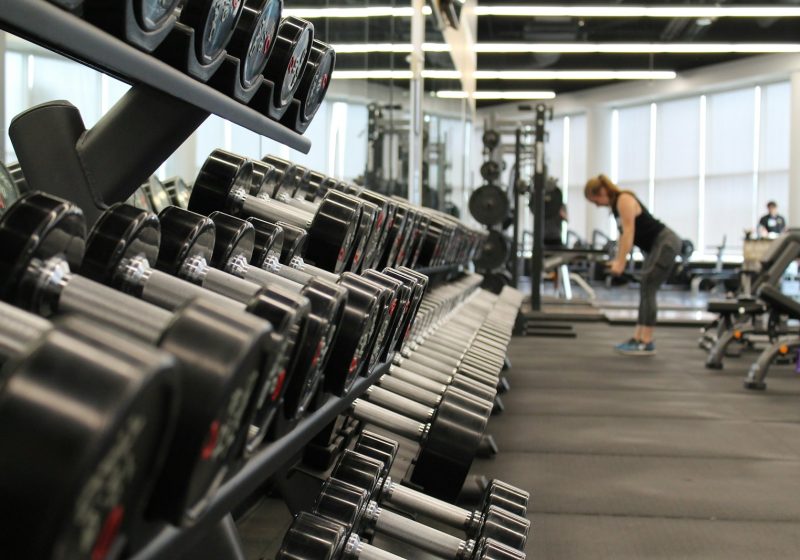
A small building gym shared by hundreds of residents has its own etiquette. A grounded guide to using it well.
 Shared Spaces
The Front Stoop as a Real Public Space
The front stoop of an apartment building is one of the oldest forms of urban shared space. A grounded guide…