Lobby Behavior on a Bad Weather Night
A wet, muddy, snowy night turns the lobby into a small social test. The residents who handle it well make the whole building easier for everyone.


The lobby is a public-facing room shared by every resident. On most nights, it is a calm space with minimal traffic. On bad weather nights, it becomes a focal point of resident behavior. The small habits that work in good weather scale up into bigger considerations when everyone is dripping and tired. Here are the patterns that experienced residents follow.
The entrance choreography
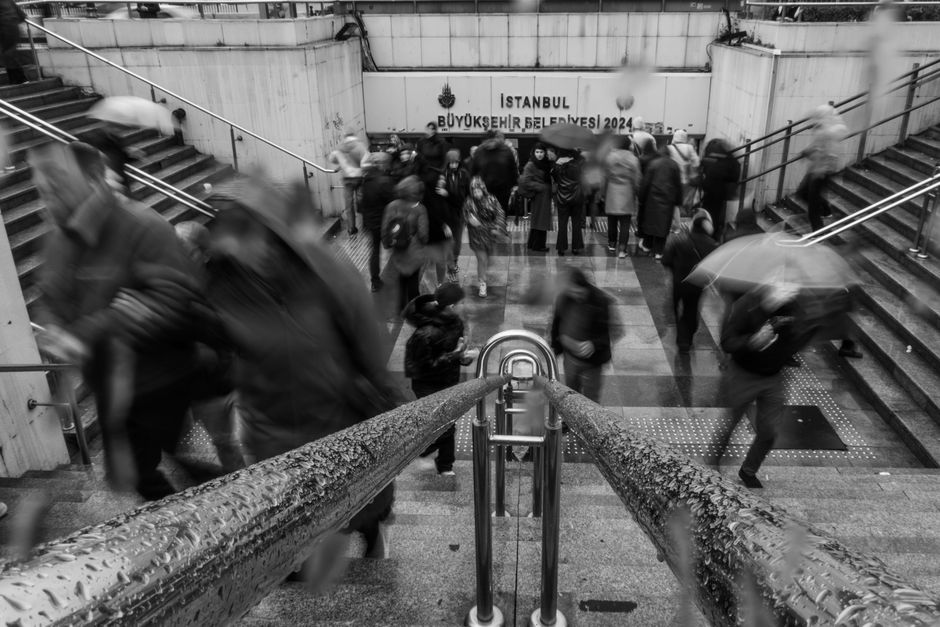
The first thing to do on entering a lobby on a wet or snowy night is to pause. Step inside the door. Stop for thirty seconds. Stomp boots gently. Shake the umbrella outward (back toward the door, not into the lobby). Wipe water off your coat.
This thirty-second pause prevents most of the lobby mess. The water and snow you brought in stays mostly at the entrance area, which is easier for staff to clean. The deeper lobby stays drier and safer.
If the building has a doormat, use it thoroughly. Most people barely touch it. A few good stomps remove a surprising amount of debris.
The umbrella question
A wet umbrella in a lobby is a dripping puddle on every floor as you walk to the elevator and up. The best practices for a wet umbrella:
- Shake it off outside the front door before entering.
- Use any umbrella holder or stand if the building provides one.
- If no stand exists, fold the umbrella tightly and hold it angled down so drips fall on the entrance mat.
- Do not lean a dripping umbrella against a wall.
- Once in your unit, hang the umbrella in the bathroom or on a hook, not on the carpet.
If your building does not have an umbrella stand, suggesting one is a small building improvement that reduces lobby mess significantly. Most buildings will install one if asked.
Some buildings install plastic umbrella bag dispensers near the entrance. A wet umbrella goes into a slim bag and stays sealed until the resident reaches their unit. These cost a few dollars to install and dramatically reduce lobby water issues. If your building lacks one, suggesting it is a useful improvement.
The boots and shoes question
Wet or muddy boots are a major source of lobby mess. The patterns that help:
- Wipe boots thoroughly on the entrance mat.
- If boots are very wet, consider carrying them up and changing into indoor shoes at the apartment door.
- Some buildings allow boot trays near unit doors. Others do not. Follow the building norm.
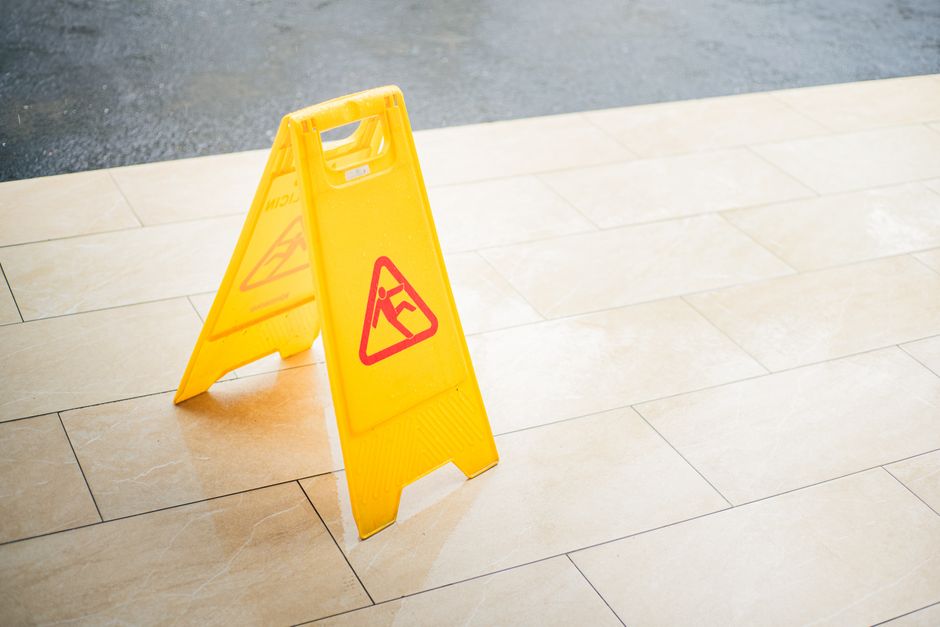
- Never leave wet boots in the lobby or hallway. They are tripping hazards and leave marks.
For very heavy snow, the boots question gets more elaborate. Some residents change into rain shoes at the entrance and carry their snow boots up. Others use a small carry bag for dripping boots. The right choice depends on the severity of the weather and the building’s norms.
The coat and bag drips
Coats and bags drip too, though less obviously than umbrellas. A wet coat hung on a hallway hook will continue to drip for hours. A wet bag set on a lobby surface will leave a wet ring.
The fix is to shake off coats outside, hang wet coats in your own bathroom rather than in any shared space, and avoid setting wet bags on lobby furniture.
If you must temporarily set down a wet item (waiting for a package, retrieving mail), put it on a surface that will not be damaged or hold the wetness. A plastic chair, a floor near a drain, a temporary spot near your feet.
The building staff appreciation
On bad weather nights, building staff often work harder than usual. Mopping. Cleaning. Helping residents with packages. Dealing with weather-related issues.
A small acknowledgment goes a long way. “Thanks for keeping the lobby clean, what a mess of a night.” A brief warm exchange. Maybe a hot drink offered if you are in the vicinity and have one available.
The staff member who hears this is the staff member who will be patient with you next time you have a request. The relationship investment in the worst weather pays off in the best way.
The neighbor coordination
Bad weather is also when small neighbor coordination becomes valuable. If you are heading out and a neighbor is too, sharing an umbrella or walking to the same destination together is a small kindness.
If a neighbor with mobility difficulty is struggling with bad weather (snow on stairs, ice on the sidewalk), offering help is one of the small ways community shows up. “Can I help you to the door? It is slippery out there.” Most people will accept gratefully or politely decline, but the offer matters. Reference: the CDC’s resources on preventing falls among older adults.
Same with packages on bad weather days. If you see a neighbor’s package about to get wet near the front entrance, bringing it to them is a kind move that they will remember.
The lobby as gathering space
On bad weather nights, some residents gather briefly in the lobby. Waiting out a storm, decompressing from a difficult commute, chatting with a neighbor before going up. This is part of community life.
The etiquette for lobby gathering on a bad weather night:
- Do not block the entrance or the path to the elevators.
- Keep volume moderate; the building has nearby units that can hear.
- Do not occupy lobby seating for long stretches if others need it.
- Be aware that you are dripping or muddy, and choose your spot accordingly.
- End the conversation kindly and move along when it has run its course.
Brief gatherings are fine and even welcome. Extended ones turn the lobby into your living room, which it is not.
The package question on bad weather days
Packages delivered on bad weather days are often wet, damaged, or piled near the door instead of in the usual spot. Couriers move faster in bad weather and have less patience for finding the right placement.
If you see packages stacked dangerously near the entrance, move them to a drier spot if you can. A few minutes of small care prevents resident packages from getting ruined.
For your own packages, retrieve them quickly on bad weather days. The longer they sit, the more wet and damaged they become. If you cannot retrieve quickly, ask a neighbor or building staff.
What a bad weather night reveals about a building
The lobby on a bad weather night is a small social test that reveals how a building functions. Some buildings have residents who handle the weather thoughtfully. The lobby stays mostly clean. The staff are appreciated. The neighbors help each other. The night feels less harsh.
Other buildings have residents who track in mess without noticing. The lobby becomes a hazard. The staff are overwhelmed. The neighbors do not interact. The bad weather amplifies every small dysfunction.
The choice between these two outcomes is the same as the rest of community living. Small daily attention. Awareness of the shared nature of the space. The willingness to take thirty seconds to stomp boots, shake umbrellas, and acknowledge the people working harder than usual.
The next time you come into your lobby on a wet or snowy night, run a quick check. Are you the resident who pauses at the door and minimizes the mess? Or are you tracking in your share of the puddle without noticing? The five-second pause is one of the smallest community contributions available, and on a bad weather night, it is one of the most appreciated.
Frequently asked
Should I take off my shoes in the lobby?
No, this is too informal for a public lobby. Wipe boots thoroughly and change shoes once inside your unit. Some buildings provide boot trays near unit doors for the in-between option.
What if I see a major mess in the lobby and no staff are around?
Tell building management or staff when they are available. For minor mess (a single puddle, a piece of trash), small cleanup yourself is a kind contribution.
Is it okay to leave wet boots in the hallway near my door?
Check building rules. Some buildings allow it (often on small boot trays). Others prohibit hallway items entirely. Default to keeping things in your unit unless the building specifically permits otherwise.
How can I help building staff on bad weather days?
A brief acknowledgment goes a long way. A hot drink if you have one available. A specific thank-you. These small gestures matter more than residents realize.
Related guides
 Shared Spaces
Balcony Etiquette: Sharing Sound, Smoke, and Sightlines
A balcony feels private. You step out, close the door behind you, and the space reads like an extension of…
 Shared Spaces
The Polite Treadmill: Gym Manners in a Small Apartment Gym
A small building gym shared by hundreds of residents has its own etiquette. A grounded guide to using it well.
 Shared Spaces
Bike Rooms, Strollers, and Floor Politics
Bike rooms and stroller storage areas are small shared spaces with big political weight. A grounded guide for everyone involved.