Laundry Room Etiquette, Beyond the Obvious
The laundry room is one of the most-used shared spaces in a building. The rules that keep it pleasant are mostly unwritten until someone breaks them.

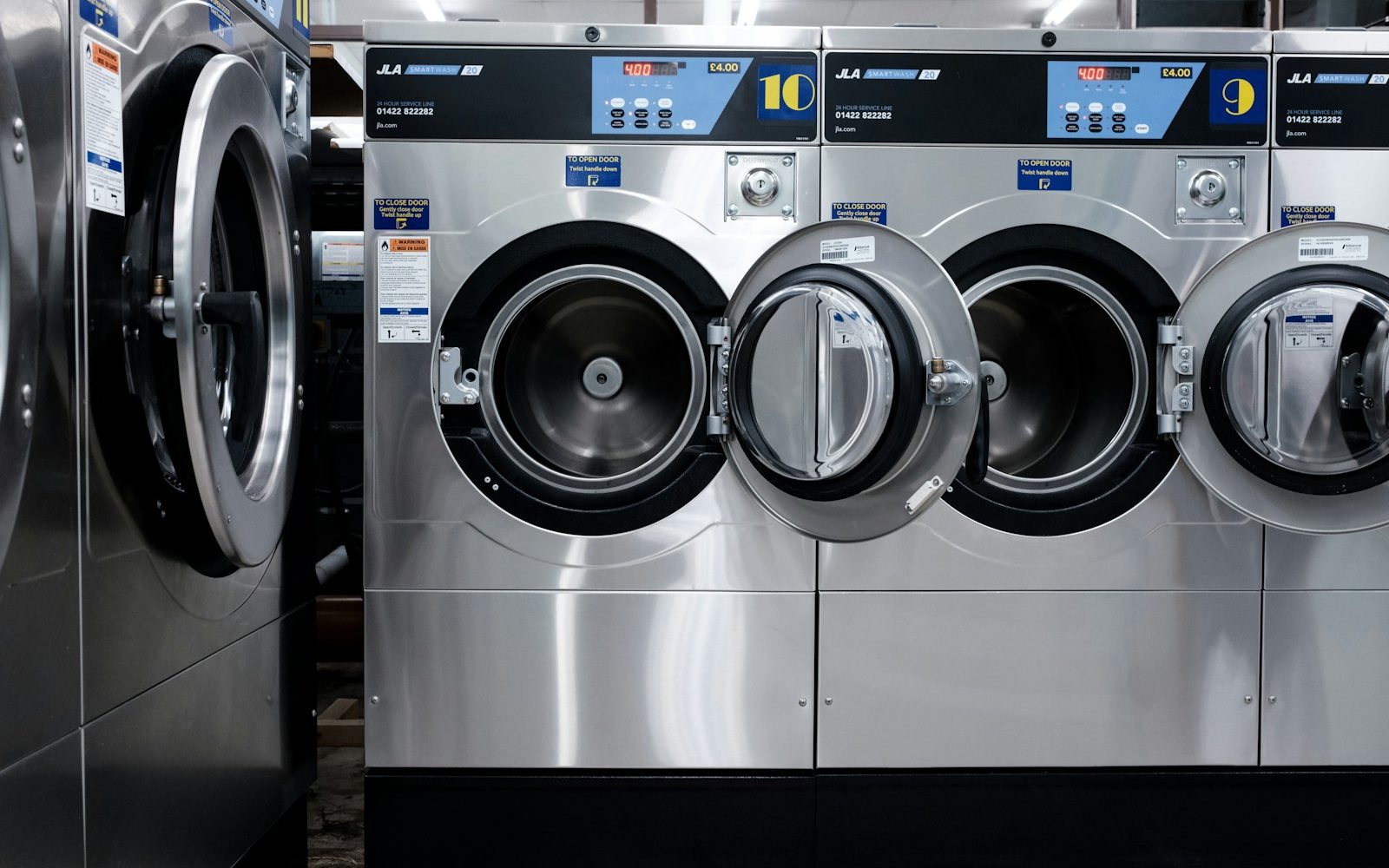
The shared laundry room is one of the most-used and most-resented spaces in any apartment building. Almost every resident eventually gets pulled into a small dispute about timing, machines, missing items, or the small failures of consideration that happen when many people share a small set of equipment. The rules that keep the laundry room functional are mostly unwritten. Here are the ones that matter.
The timing rule that everyone needs to know
The single most important rule of shared laundry is this: be there when your cycle ends. The acceptable buffer is about ten to fifteen minutes after the timer. Past that, you are blocking a machine for someone else who needs it.
This sounds obvious. Most violations are not deliberate. The resident set a timer that did not go off, fell asleep, got caught up in a meeting, or simply lost track of time. The machine sits idle with finished laundry while another resident waits, gets frustrated, and eventually moves the wet clothes themselves.
The fix is to set multiple reminders. The phone alarm. A calendar event. A note on the fridge. Whatever it takes to actually be there at the end of the cycle. The fifteen-minute buffer is generous but real. Past that, the etiquette breaks down.
The moving-someone-else’s-laundry question
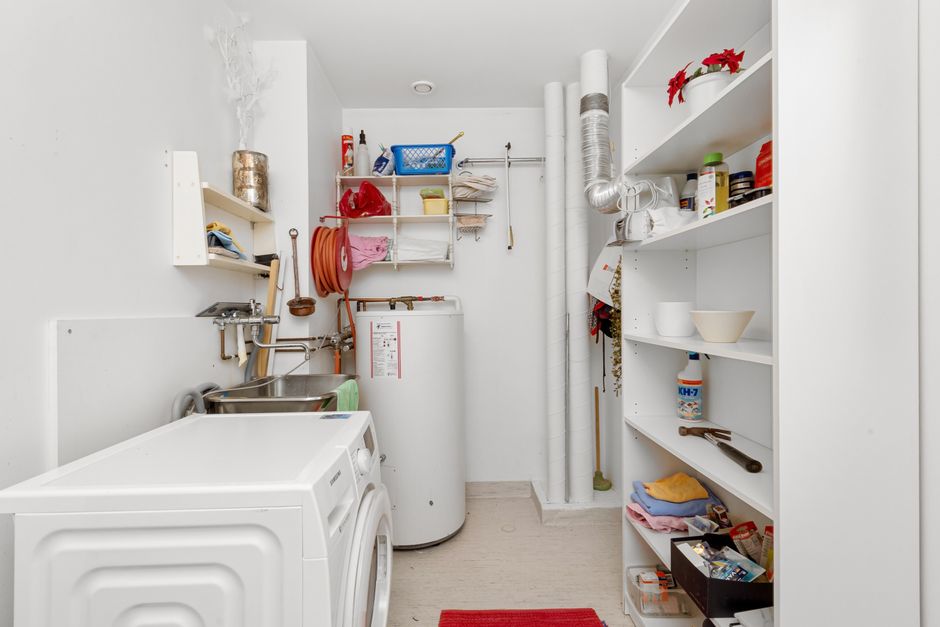
If a machine has finished and the resident has not returned within the buffer, what is acceptable? Most buildings have an informal norm. Past about fifteen to twenty minutes after the cycle, it is acceptable for another resident to gently move the laundry out of the machine.
The polite way to move someone’s laundry is to set it on top of the machine, folded if it is dry, in a neat pile if it is wet. Not on the floor. Not in a heap. Not in someone else’s basket. The careful handling signals that you respect the other person even though you needed the machine.
If you encounter your own laundry moved by someone else, take it with grace. You went past the buffer. The other resident handled it as well as they could. Avoid the temptation to track them down for a confrontation. The fault was the timing, not the handling.
Leaving an empty basket on top of a machine while you go upstairs is a common signal that you intend to return shortly for the cycle. Most residents respect this for a brief window. The basket is a placeholder. Use it kindly, return promptly, and the system works.
The lint trap responsibility
Cleaning the dryer’s lint trap before your cycle is one of the smallest but most appreciated habits in shared laundry. A clogged lint trap reduces dryer efficiency, increases drying time, and creates a small fire risk over time.
Many residents skip this because they assume someone else will. The someone else also assumes someone else will. The lint trap fills up and the dryers slowly become less effective. The whole building suffers slightly because nobody took the thirty seconds to clean a trap.
Make it a habit. Open the trap, pull out the lint, throw it in the trash. Run your cycle. The dryer works better. The next person who uses it benefits. You have contributed to the laundry room’s baseline maintenance without anyone noticing.
The detergent and product question
Some buildings have very specific rules about products. High-efficiency washers require HE detergent. Some buildings prohibit certain bleach types or fabric softeners that can damage the machines. Read the posted signs. The rules exist because of past damage to equipment.
Use the right amount of detergent. Most residents use too much. The result is sudsy cycles that do not rinse properly and clothes that smell slightly off after drying. The detergent bottle’s recommendation is usually correct or slightly too high. Use less, not more.
If you spill detergent or fabric softener on the machine or floor, wipe it up. The next resident does not want to deal with sticky residue on the buttons or a slippery floor near the drains.
The smell question
Shared laundry rooms can develop persistent smells over time. The most common sources are: leftover detergent residue in machines, wet clothes left in washers for too long, dryer lint buildup, and improperly ventilated rooms.
Most of these are building-maintenance issues, not resident issues. But residents contribute by leaving wet clothes too long or by overusing scented products. Strong dryer sheets and heavily scented detergent can also bother residents with chemical sensitivities.
If your laundry room has a chronic smell problem, mention it to building management. They can deep-clean the machines, improve ventilation, or address the underlying issue. Multiple residents raising the concern usually gets faster attention.
The shared-folding-table
Many laundry rooms have a folding table for residents to use. The unwritten rules:
- Wipe down the table before you use it if it looks dirty.
- Fold quickly and clear the space when you are done.
- Do not leave personal items (a basket, an article of clothing) on the table when you are done.
- If multiple residents need the table, share. A small section per person is fine.
- Do not use the table for non-laundry purposes (sorting mail, opening packages, etc.).
The table is a shared workspace. Treat it like one.
Peak times and waiting
Most laundry rooms have predictable peak times. Sunday afternoons. Weekday evenings after work. The window between 6 and 9 in the evening on most weekdays. These are when the room fills up.
Knowing the peaks helps in two ways. You can either schedule your laundry around them (Saturday morning, Tuesday at 11am, late evenings if you are a night owl) to avoid waiting. Or you can accept that during peak times the etiquette tightens. Stricter buffer, faster cycle changes, more vigilance about not blocking machines.
If you arrive during peak and all machines are in use, the polite move is to check the timers on the running machines. The one that finishes soonest is your queue. Wait nearby. When it finishes, give the original resident the fifteen-minute buffer, then move their laundry kindly and use the machine.
The conversations that happen
The laundry room is a natural conversation space. Residents who are waiting for cycles to finish often chat. These conversations are usually brief and warm, but a few patterns help:
- Keep voices moderate. Other residents may be reading or working on phones.
- Do not gossip about other neighbors. The laundry room has thin walls and conversations carry.
- If someone is wearing headphones or clearly does not want to chat, give them space.
- If you do chat, the topics that work are usually neutral. Weather, the building, the cycle times.
- Move to leave when your laundry is done, even if the conversation is enjoyable. The next resident may need the folding space.
Some of my favorite small friendships in apartment buildings started with chats in the laundry room. The space invites brief connection. Use it gently.
The lost-and-found question
Items go missing in shared laundry rooms occasionally. A sock falls out. A small item gets left on the folding table. A piece of laundry ends up in someone else’s pile by mistake.
Most buildings have an informal lost-and-found area in or near the laundry room. A shelf or a basket where found items sit until claimed. Check it if something is missing. Add to it if you find something that is clearly not yours.
Do not assume items have been stolen unless you have evidence. Most laundry-room losses are simply misplacement. The sock is in the back of the dryer. The shirt is in the folding pile of another resident who has not noticed yet. The missing pair of socks is somewhere in the building, often discoverable with a quick check.
The machine-breakdown response
If a machine breaks down during your cycle (the washer stops mid-cycle, the dryer stops heating), the situation is frustrating. The right response is:
- Do not bang on the machine or kick it. This rarely fixes it and can damage further.
- Try the reset (most machines have a reset by opening and closing the door, or by turning the dial).
- If the machine is genuinely broken, move your laundry to another available machine.
- Tell building management or maintenance promptly. The next resident should not encounter the same surprise.
- Mark the broken machine with a clear note if there is no posted system. “Broken, do not use” with the date.
Quick reporting often gets the machine fixed within a few days. Delayed reporting means multiple residents get frustrated before the building knows there is an issue.
The cumulative effect of small habits
The laundry room is a small ecosystem that works when residents handle the small etiquette consistently. Each resident’s individual contribution is minor. The cumulative effect is the difference between a functional shared space and a chronically tense one.
The residents who are quiet favorites in the laundry room are the ones who clean the lint trap, return for their cycles on time, wipe up spills, and treat the space like it belongs to everyone (because it does). The residents who are quiet problems are the ones who skip these small habits. Neither group is dramatic. Both shape the daily experience of every other resident in real ways.
The choice to be in the first group is small daily attention. Set the timer. Clean the trap. Return on time. Wipe the surface. Move someone’s laundry kindly if needed. None of these are heroic. Together they are most of what shared-space living asks of any resident, in the room that residents use the most.
Frequently asked
What if someone keeps leaving their laundry in the machine for hours?
Mention it to building management. If it is a persistent pattern, they may post a reminder or speak to the resident directly. Do not engage in a direct confrontation in the laundry room.
Is it okay to use someone else's detergent if I forgot mine?
No. Detergent is personal property even when left in the laundry room. Go back to your unit for your own, or wait until you can buy more.
What if I find money or jewelry in a dryer?
Place it on top of the machine or take it to building management for the lost-and-found. The owner usually realizes within a day and asks around.
Can I do laundry at any hour?
Check building rules. Most buildings have laundry-room operating hours, often 6am to 11pm or 24 hours. Within those hours, any time is acceptable. Outside them, the machines may be turned off.
Related guides
 Shared Spaces
Elevator Etiquette in a Building With Long Waits
Elevator etiquette is small in scope and compounding in effect. A grounded guide especially for buildings where the waits are…
 Shared Spaces
The Front Stoop as a Real Public Space
The front stoop of an apartment building is one of the oldest forms of urban shared space. A grounded guide…
 Shared Spaces
Bike Rooms, Strollers, and Floor Politics
Bike rooms and stroller storage areas are small shared spaces with big political weight. A grounded guide for everyone involved.