The Apartment-Specific Carbon Monoxide Conversation
Carbon monoxide is the apartment safety risk that gets the least attention and deserves more. The good news is that protection is simple and cheap.


Carbon monoxide is the apartment safety topic that residents handle the worst. It is invisible. It is odorless. It is slow. The detectors that warn us are often missing, dead, or expired. The conversation about it is rare. This article is the conversation most renters never have but should.
What carbon monoxide actually is
Carbon monoxide (CO) is a gas produced by the incomplete burning of fossil fuels. Natural gas furnaces, water heaters, stoves, fireplaces, and engines all produce it. In well-vented systems, the gas goes outside. In poorly vented or malfunctioning systems, it can build up inside.
The danger is that CO binds to hemoglobin in the blood much more strongly than oxygen does. Even small amounts in the air can prevent oxygen from reaching the body’s tissues. The symptoms the CDC lists include headache, nausea, dizziness, confusion, and at high levels unconsciousness and death.
The risk is highest in winter, when heating systems run more, when units are sealed up against the cold, and when ventilation is at its lowest. Most fatal CO incidents happen in the colder months.
The detector is the protection
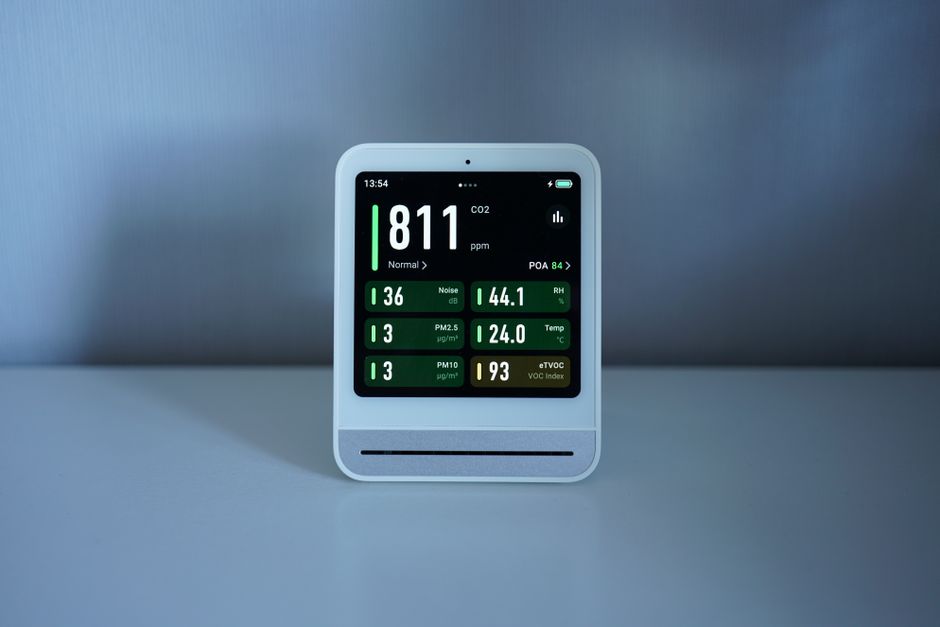
Carbon monoxide detectors are inexpensive, easy to install, and highly effective. A working CO detector in your apartment is the single most important protection. Everything else is secondary.
CO detectors look similar to smoke detectors but are different devices. Some units are combined (smoke and CO in one). Most apartments need at least one CO detector per floor, ideally near sleeping areas. If you have a multi-floor unit, you need one on each level.
Many jurisdictions require landlords to install and maintain CO detectors. Check yours. If your apartment lacks one, request that the landlord install it. If they refuse, install one yourself. They cost twenty to thirty dollars and take five minutes to set up.
CO detectors expire. The sensors degrade over time, typically after five to seven years. Check the date on the back of any detector in your unit. If it is past expiration, replace it. An expired detector may not alarm even during a real exposure.
Where to install
The best placement for a CO detector is near sleeping areas, since CO exposure during sleep is the most dangerous scenario. Many people install one detector in each bedroom hallway.
Avoid placement directly above heat sources (where the detector may overheat) or in extremely humid rooms (where moisture can affect the sensor). Roughly five to fifteen feet from any fuel-burning appliance is a good location.
If your apartment has a gas stove or gas water heater within the unit, additional detectors near those areas add coverage. Most apartments do not need more than one or two detectors, but the placement should reflect where you sleep and where the fuel-burning equipment is.
What to do if the detector alarms
If your CO detector alarms, treat it as a real emergency until proven otherwise:
- Get everyone out of the unit immediately. Take pets if you can do so quickly. Do not stop to gather belongings.
- Once outside, call 911 from a safe location. Tell them your CO detector has alarmed.
- Do not re-enter the unit until the fire department or gas company has confirmed it is safe.
- If anyone has symptoms (headache, nausea, dizziness), get medical attention.
Do not assume the alarm is false. Do not assume it is just a low battery (most modern detectors have a separate low-battery chirp). Do not try to investigate the source yourself. CO is invisible and you can lose consciousness within minutes at high exposure levels.
After the all-clear, find out what caused the alarm. If it was a malfunctioning appliance, get it repaired or replaced before reusing the unit. If your building shares heating or ventilation, work with management to identify the source.
The neighbor-source problem
One of the harder CO scenarios in apartments is when the source is in another unit. A malfunctioning furnace, water heater, or stove in a neighboring apartment can release CO that travels through shared walls, ductwork, or building cavities into your unit.
Your detector will still alarm in this case, but the source is not in your unit and you cannot fix it. The response is the same. Evacuate. Call 911. Let the fire department or gas company identify the source. Inform building management.
This is one of the reasons CO detectors matter even if your unit has no gas appliances of its own. The source can come from elsewhere in the building.
The early symptoms
Low-level CO exposure produces symptoms that are often mistaken for other things. Persistent headaches, especially worse at home and better when you leave the unit. Nausea or stomach discomfort with no clear cause. Dizziness or confusion. Fatigue that does not match your sleep. Symptoms that improve dramatically when you spend time outside the apartment.
If you and others in your unit have any of these patterns, especially if they correlate with being in the unit versus being away, get a CO test. Some fire departments will do a courtesy CO test on request. A handheld CO meter (around fifty dollars) can also be used.
This is one of the rare home safety topics where “trust your symptoms” matters. People often dismiss the headaches and fatigue as other things. The cost of being wrong about CO is too high to ignore the pattern.
Special risks: stoves, fireplaces, generators
A few specific situations elevate CO risk:
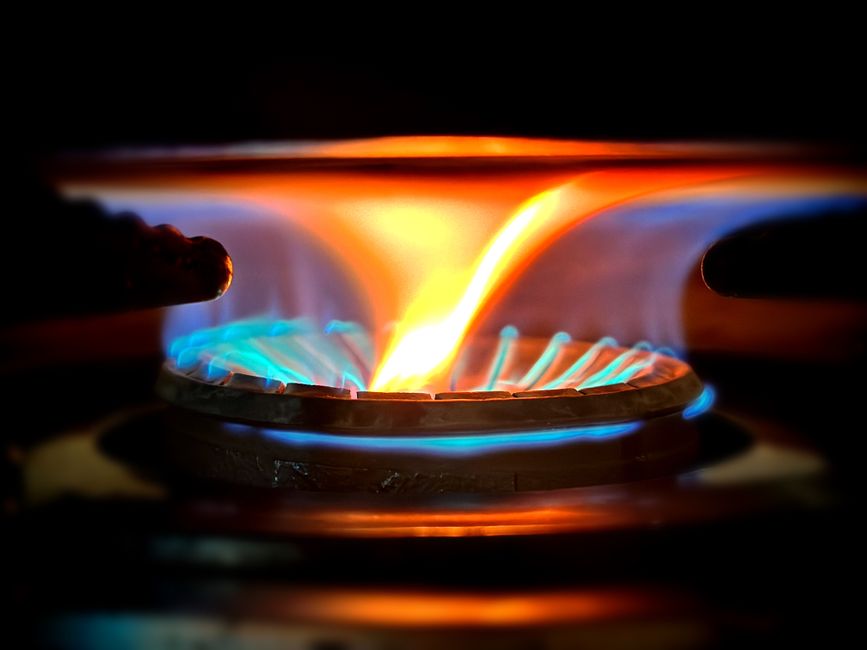
- Gas stoves used as heating. Never use a gas stove to heat the apartment, even briefly. Stoves are not designed for sustained operation and can produce dangerous CO levels.
- Working fireplaces or wood stoves. Ensure flues are open and chimneys are clean. A blocked chimney sends CO back into the unit.
- Generators or grills indoors. Never. Both produce massive amounts of CO and can be fatal within minutes when used indoors or in attached garages.
- Cars idling in attached garages. CO from a car can enter the building rapidly. Never let a car run in an attached garage, even with the door open.
These are not theoretical risks. They are the most common scenarios in CO fatalities. The rules are simple and the cost of breaking them is high.
What landlords should be doing
Landlords in most jurisdictions are required to maintain fuel-burning appliances in safe working condition and to install CO detectors. Annual inspection of furnaces and water heaters is the standard. The HVAC system should be checked before each heating season.
If you live in an apartment with shared heating equipment, ask your landlord when the system was last serviced. A reasonable answer is within the past year. A vague or evasive answer is a red flag.
You can also request that the landlord verify the CO detectors are working. Most leases require tenant cooperation with annual safety checks. Use this as an opportunity to confirm that the safety systems are functioning.
The boring conclusion
Carbon monoxide safety in apartments is almost entirely about three things. A working detector, replaced before it expires. Awareness of the symptoms. Quick response to an alarm. None of these are dramatic or interesting. All of them prevent the kind of incident that, if it happens, you do not get to talk about afterward.
Most apartment residents will go their whole renting lives without a CO incident. The detector is rarely triggered. The story is uneventful. That is exactly the goal. Boring carbon monoxide safety is the only good kind. The small investment in a working detector, checked annually and replaced when expired, is the single most important apartment safety measure most renters can do, and the one most often overlooked.
Frequently asked
How often should I test my CO detector?
Once a month, using the test button. Replace batteries annually if it is battery-powered. Replace the entire unit every five to seven years per the manufacturer's expiration date.
Can a CO detector be too sensitive?
Yes, occasionally. If your detector alarms frequently with no apparent source, the unit may be defective. Replace with a different brand. False alarms are rare and concerning enough to investigate every time.
Does my apartment need a CO detector if there are no gas appliances?
Yes, especially in multi-unit buildings. CO can travel from other units through shared structure. Detection is the only reliable protection.
What if the landlord refuses to install detectors?
Most jurisdictions legally require landlords to provide them. File a complaint with local housing or fire authority if the landlord refuses. In the meantime, install one yourself. The cost is small and the protection is essential.
Related guides
 Community Safety
Reading Your Building: A Calm Way to Notice Patterns
Noticing patterns in your apartment building is a quiet skill that improves your safety and your sense of belonging. A…
 Community Safety
The Polite Way to Suggest a Building Safety Improvement
Suggesting a safety improvement to building management is a small skill. A grounded guide that gets results without burning relationships.
 Community Safety
Managing Mail and Packages When You Travel for a Week
A mailbox that overflows for a week is one of the clearest signals that nobody is home. Letters wedged in…