Living Below Someone: How to Stay Sane Without Becoming the Complainer
Living below an active upstairs unit is one of the most quietly stressful parts of apartment life. There is a way to keep your sanity without becoming the building's known complainer.


If you live below another unit and you can hear them, you are dealing with one of the most universal sources of apartment stress. Most of it is fixable. Some of it is not. The skill is knowing which is which and where to spend your energy.
What you can actually expect not to hear
It helps to set expectations early. In an average modern apartment building, you should not hear conversations, music below background level, TV, or daily routine sounds clearly. You may hear footsteps, occasional drops, the wash of a washing machine, a vacuum cleaner during the day, kids running for short stretches, occasional bursts of household sound.
If you are hearing voices clearly through the ceiling, your building has unusually thin floors and the upstairs neighbor probably cannot fix the situation on their own. If you are hearing impact sound (footsteps, drops), the upstairs neighbor often can. Knowing the distinction helps you frame any conversation about it.
Fix what you can on your side first
A surprising amount of upstairs noise becomes more tolerable with changes on your side. White noise machines, fans, and air purifiers create a low ambient hum that masks bursts of upstairs sound. The brain stops latching onto the spikes.
Heavy curtains and a soft rug on your side absorb mid-range sound. A bookshelf against the wall closest to where the worst sound originates can serve as an acoustic barrier. None of these fully fix the issue, but together they shift the experience from sharp to soft.
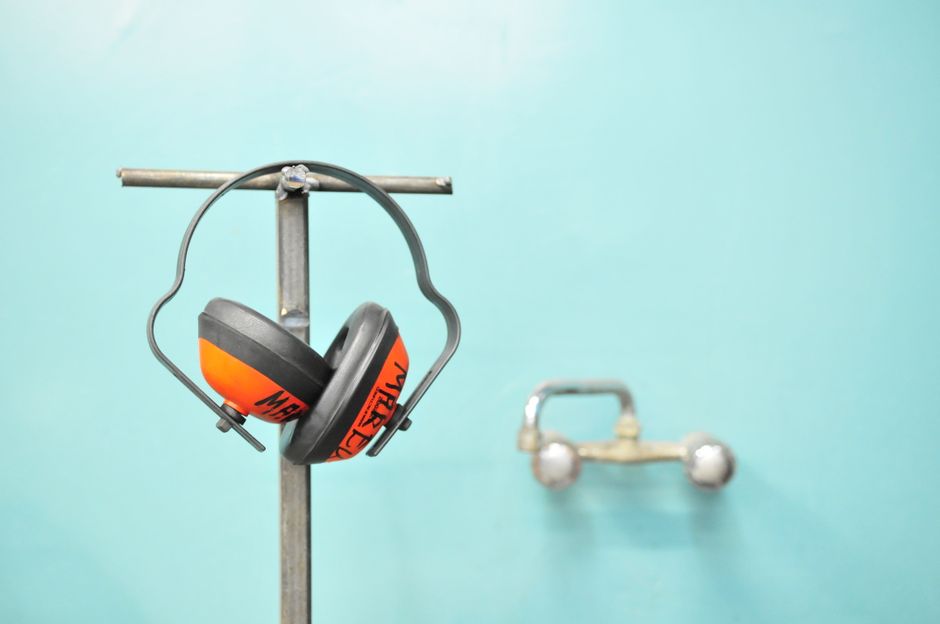
Sleeping with earplugs is reasonable. The foam variety, sized correctly, blocks impact sound effectively. They feel strange the first few nights and become normal within a week. A backup pair on the bedside table handles the rare lost plug in the morning.
A small box fan or a tower fan, run on low at night, masks more upstairs noise than people expect. It also adds a stable background that your brain prefers over silence punctuated by sudden bursts.
The conversation, when you decide to have it
If the noise crosses into a level you cannot live with, the conversation with the upstairs neighbor matters. The instinct is to wait until you are at your most frustrated, then knock. This is the wrong instinct. The conversation goes much better if you have it during a calm moment, not after a sleepless night.
Knock on a weekend afternoon. Smile when they answer. Introduce yourself, say which unit you are in, mention that a few sounds are carrying through to your apartment, and ask whether they have a minute. That framing positions you as a neighbor, not a complainer. They will be more likely to listen.
Be specific. “I hear the area around the kitchen pretty clearly, especially the chairs being moved” is more useful than “your apartment is loud.” Specifics are easier to fix. Generalities sound like accusations.
Mention what you have done on your side. “I have a white noise machine and earplugs. The remaining sound is still pretty audible.” This shows that you are not approaching the conversation expecting them to solve everything.
What you can ask for
The asks that work are usually small. Felt pads on chair legs. A rug in the high-traffic zone. Slippers instead of hard shoes inside. Quieter mornings before 8. A heads-up before exercise sessions or vacuuming.
The asks that rarely work are the large ones. “Stop having your kids run.” “Walk softer.” “Move the dining table.” These ask the upstairs neighbor to change their daily life in ways they will resist. Stick to the small, mechanical asks that they can act on without restructuring their household.

Small, specific asks that upstairs neighbors usually accept
- Felt or rubber pads on every chair and stool leg, especially at the kitchen and dining table where chairs get moved often
- A thick area rug with a dense pad in the main walking path from the entryway to the bedroom or bathroom
- Soft-soled slippers or house shoes worn indoors in place of hard-heeled shoes, boots, or clogs
- A quieter window before 7 or 8 a.m. on weekdays for treadmill sessions, weight drops, and vacuuming
- Rubber isolation feet or a dense foam mat under the washing machine, dryer, subwoofer, and any exercise equipment
- A quick text or knock before high-impact activities like jump rope, rearranging furniture, or hanging pictures
- Repositioning dining chairs so they slide across rug rather than bare floor when pushed back from the table
- Shifting the kids’ main play zone away from the corner directly above your bedroom or home-office desk
The kids problem
Living below a family with small kids is one of the hardest noise scenarios because the source of the sound is the kids themselves, and they are not going to walk softer no matter what their parents do. The parents may already be exhausted by trying to manage it. Accusing them of negligence will end the relationship without changing anything.
The realistic conversation focuses on the parts the parents can influence. Rugs in the play area. A quieter window in the morning until the kids are dressed. An attempt to keep the running to the middle of the day. The parents will do what they can, especially if they feel respected. Some of the noise will continue. Accepting that is part of living below a family.
When the building has to get involved
If you have tried the conversation and the noise has not changed, building management is the next step. Document specific incidents (date, time, duration, type of sound). Email a brief, factual report. Avoid emotional language. Avoid characterizing the neighbor. Stick to the audible.
Most management responses are gentle. A letter to the upstairs unit citing the lease’s quiet-enjoyment clause. A request to add rugs. A reminder about quiet hours. These rarely fix everything, but they often shift the worst patterns.
If management does not act, your jurisdiction may have a tenant complaint process. Some cities have specific paths for chronic noise. Use these as a last resort, because they often damage your relationship with the building and the upstairs unit permanently.
The skill of not becoming the complainer
There is a quiet danger in being the downstairs neighbor with a noise issue. Over time, you can become known as the resident who complains. Building staff start dreading your emails. Other neighbors start wondering whether you are difficult. The original noise issue becomes a smaller part of how you are perceived.
The skill is to balance specific, infrequent, well-documented complaints with normal, friendly daily interaction. Say hello in the hallway. Hold the elevator. Talk to the building manager about things other than the noise. Be a person, not a case file. The complaints you do make will then land more credibly.
The acceptance that helps
Some upstairs sound is unfixable. The unit has hardwood. The lease does not require carpet. The kids are kids. The neighbor cooks at 11 at night because of a work schedule. Trying to remove every source of sound from your life makes you miserable.
The realistic approach is partial acceptance plus active masking plus small targeted asks. Accept that you will hear some footsteps. Mask the rest with white noise. Ask for a small number of specific things, such as rugs in the kitchen and slippers in the early morning. The remaining noise moves into the background. Not gone. Just no longer the center of your attention.
That is the realistic outcome of living below another unit. Not silence. A quieter version of normal apartment life, achieved through small fixes on both sides and a willingness to be a calm neighbor instead of a frustrated one.
Frequently asked
How long should I wait before bringing up noise with my upstairs neighbor?
A few weeks of paying attention to the pattern, then a calm conversation during a non-loud moment. Waiting too long lets resentment build. Acting in the heat of a noise event almost never goes well.
Are noise complaints actually useful with building management?
Yes, when they are specific, documented, and patterned. Vague complaints get filed and forgotten. A consistent record with dates and times tends to get a response.
Should I move if the noise is unbearable?
Moving is sometimes the right answer, especially if the building has structural sound issues. Try the conversation and management steps first, but do not stay in a unit that genuinely harms your sleep for years.
Can I record the noise as evidence?
Yes, from inside your own unit. Avoid recording into the upstairs unit through any kind of device. Recordings of audible noise from your own apartment are legitimate documentation in most jurisdictions.
Related guides
 Apartment Living
Living Above Someone: Floor Sound and the Habits That Soften It
Living above another unit means every step, drop, and chair scrape lands in someone else's living room. A grounded look…
 Apartment Living
A Renter’s Guide to Mold: How to Spot It, Report It, and Get It Fixed
Mold in a rental is one of those problems that feels alarming the moment you notice it and confusing the…
 Apartment Living
The Bathroom Fan You Should Actually Be Running
Most apartment bathroom fans are used for thirty seconds during a shower and then turned off. The right pattern looks…