The Front Stoop as a Real Public Space
The front stoop of an apartment building is one of the oldest forms of shared urban space. It still works when residents treat it as one.


The front stoop is one of the oldest forms of shared urban space. It has existed in some form in dense cities for centuries. Even in modern apartment buildings with sleeker designs, the area immediately outside the front entrance plays a similar role. Used well, it is one of the great pleasures of apartment life. Used badly, it is a source of friction and a place where building goodwill quietly erodes.
The stoop as semi-public
The first thing to understand about the stoop is that it is semi-public. It belongs to the building but it faces the street. People walking past see it. The way residents use it shapes how the building is perceived by the neighborhood.
This dual nature affects the etiquette. The stoop is more public than the courtyard. It is more private than the sidewalk. The expectations are somewhere in between.
What is appropriate on the stoop:
- Brief sitting, especially with a drink or a book.
- Casual conversation with other residents.
- Greeting passersby briefly if they stop.
- Small social gatherings of two or three.
- Pet activities in transit.
What is generally not appropriate:
- Extended large gatherings that fill the stoop.
- Loud music or speakers.
- Storage of personal items.
- Smoking next to entrance doors (most buildings have rules about this).
- Eating full meals.
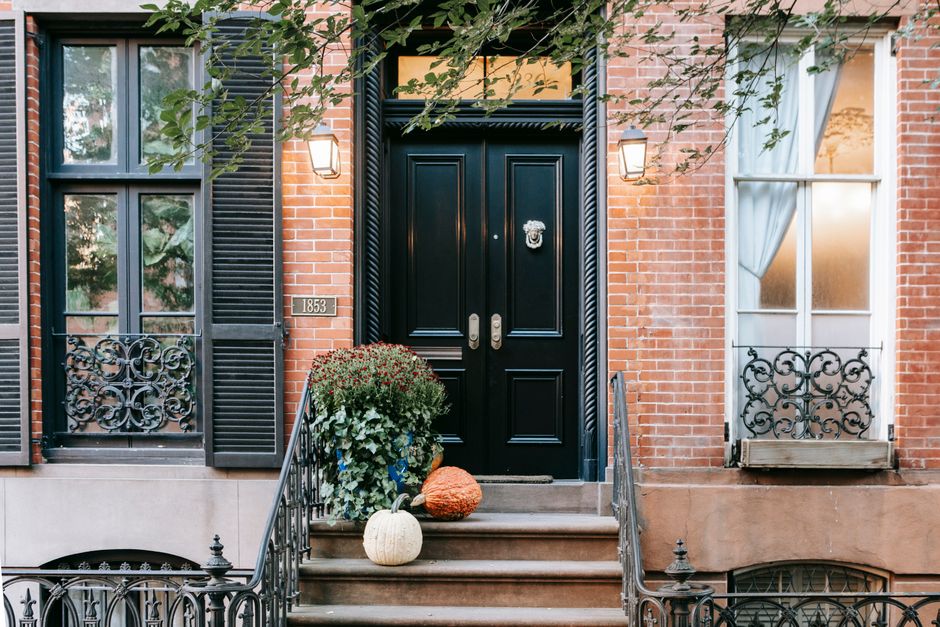
The “stoop sitting” tradition
In many older neighborhoods, stoop sitting is a cultural tradition. Residents come down with a drink, sit on the steps, and watch the world go by. They chat with other residents. They greet passersby. They participate in the neighborhood’s street life.
This is a real and valuable form of community life. If your building has a culture of stoop sitting, participate occasionally. The relationships that form there are some of the most durable in urban living.
Even if your building does not have an existing stoop tradition, you can sometimes start one. A few residents sitting on the steps in the evening can attract others over time. The space becomes a small community hub.
A summer evening with a single drink, a comfortable spot on the stoop, and the willingness to chat briefly with whoever passes is one of the small pleasures of urban apartment life. It does not require much. A few minutes a few times a week creates a different relationship with your block.
The blocking-the-entrance question
The biggest practical issue with stoop use is blocking the entrance. Other residents need to come and go through the front door. The stoop is the transit zone.
Sit to one side of the steps. Leave a clear path for entry and exit. Move when residents are coming through with bags, strollers, or other items that need space.
Groups should be especially careful. Three people standing in a cluster on the steps can completely block the entrance even without realizing it. Move to the sides, leave the center clear.
The smoking question
Most buildings have rules about smoking near entrances (often a 25-foot minimum distance). The stoop is usually within this zone, so smoking directly on the stoop is often prohibited. Reference: the CDC’s resources on secondhand smoke and smoke-free multiunit housing policies.
If you smoke, walk to the sidewalk and beyond the building’s smoking-distance zone. The few extra steps respect both the building rules and other residents who do not want to walk through smoke as they enter.
Same applies to vaping in most buildings.
The pet question
Pets are common on the stoop, especially dogs at the start and end of walks. The norms:
- Keep dogs on short leashes near the entrance.
- Clean up after them immediately if they relieve themselves.
- Do not let dogs roam loose on the steps or sidewalk.
- Be aware that other residents may be afraid of or allergic to dogs.
- For dogs that bark at passersby, the stoop is not the best place to linger.
The stoop is often where dogs encounter other dogs (incoming and outgoing). Manage these moments carefully to avoid conflicts.

The kid question
Kids playing on or near the stoop is a normal feature of family-friendly buildings. The considerations:
- Adults should be present and supervising.
- Loud play should be moved to a courtyard, park, or other appropriate space.
- The stoop is not a playground; brief play moments are fine but extended play creates issues.
- Kids should not block the entrance.
- Respect for passersby and other residents matters.
For neighborhoods where kid stoop play is traditional, the norms relax. For newer buildings with younger demographics or quieter cultures, more restraint is expected.
The passerby etiquette
Passersby on the sidewalk are not your direct concern, but the stoop puts you in proximity to them. Brief friendly acknowledgment is appropriate. Sustained engagement is not.
If a passerby tries to engage you in extended conversation, you can politely disengage. “Have a good evening” is a graceful exit. You do not owe extended conversation to strangers who happen to walk past your building.
If a passerby is in distress, the same rules apply as anywhere. Offer help if appropriate, call for emergency services if needed, do not engage if the situation seems risky.
The maintenance and cleanliness
The stoop is the building’s public face. The way it looks affects how the building is perceived. The maintenance:
- Pick up any trash you see.
- Sweep occasionally if your building does not have staff who do this.
- Report broken handrails, cracked steps, or other issues to management.
- In winter, salt the steps if the building does not.
- Keep the entry area clear of personal items.
The stoop that looks cared-for signals a building that cares. The stoop that looks neglected signals the opposite.
The decoration question
Some buildings allow seasonal or personal decorations on the stoop. Plants, wreaths, seasonal items. The rules vary widely.
Generally, modest decorations are welcome. Excessive or commercial-looking decorations are not. Check building rules and follow the lead of long-term residents.
Plants in particular can be a nice touch but require maintenance. A dying plant on the stoop looks worse than no plant. Either commit to the upkeep or skip it.
What decides whether the stoop works
The front stoop is one of the few remaining shared spaces in urban living that genuinely connects building residents to street life. Used well, it creates a sense of community, both within the building and on the block. The stoop becomes a small extension of the public realm that residents can enjoy.
The stoop fails when residents treat it as a private extension of their apartment, when they block the entrance, when they generate noise or smoke, when they ignore the semi-public nature of the space.
The choice is at the individual level. The stoop you sit on, the block you live on, the neighborhood you participate in, all of these are shaped by how residents treat this small piece of building infrastructure that bridges the private and the public.
The next time you walk past your building’s entrance, consider whether you have ever sat on the steps. Whether you have ever paused to chat with a neighbor there. Whether you have ever been part of the small community that the stoop can create. The space is there. The tradition is older than most buildings. The cost of participating is nothing. The reward is one of the small pleasures of urban apartment life that many residents miss entirely. It is worth finding.
Frequently asked
Can I sit on the stoop with a beer or wine?
Check local open-container laws and building rules. In some neighborhoods this is traditional and accepted. In others it may be prohibited. Discreet drinks are usually fine where allowed.
Is it okay to leave plants or decorations on the stoop?
Modest, well-maintained decorations are usually welcome. Check building rules and observe what other residents do. Keep things clear of the entry path.
What if my neighbors always sit on the stoop and I want privacy entering my home?
A polite "good evening" as you pass is usually enough. Most stoop sitters are not trying to track your comings and goings. The casual presence is part of building life.
Can I host a small gathering on the stoop?
For two or three people briefly, usually fine. For larger gatherings or extended time, move to a courtyard, rooftop, or apartment to avoid blocking the entrance.
Related guides
 Shared Spaces
The Building’s Grill: Hosting Without Annoying Anyone
A shared building grill is one of the better community amenities when used well. A grounded guide to using it…
 Shared Spaces
When the Pool Opens: Sharing Without Tension
A shared building pool is one of the most-loved amenities and one of the most-contested. A grounded guide to using…
 Shared Spaces
Lobby Behavior on a Bad Weather Night
A rainy or snowy night turns the building lobby into a small social test. A grounded look at the habits…