Bike Rooms, Strollers, and Floor Politics
The bike room and stroller storage area are small spaces where political battles get fought one rack at a time. A grounded look.

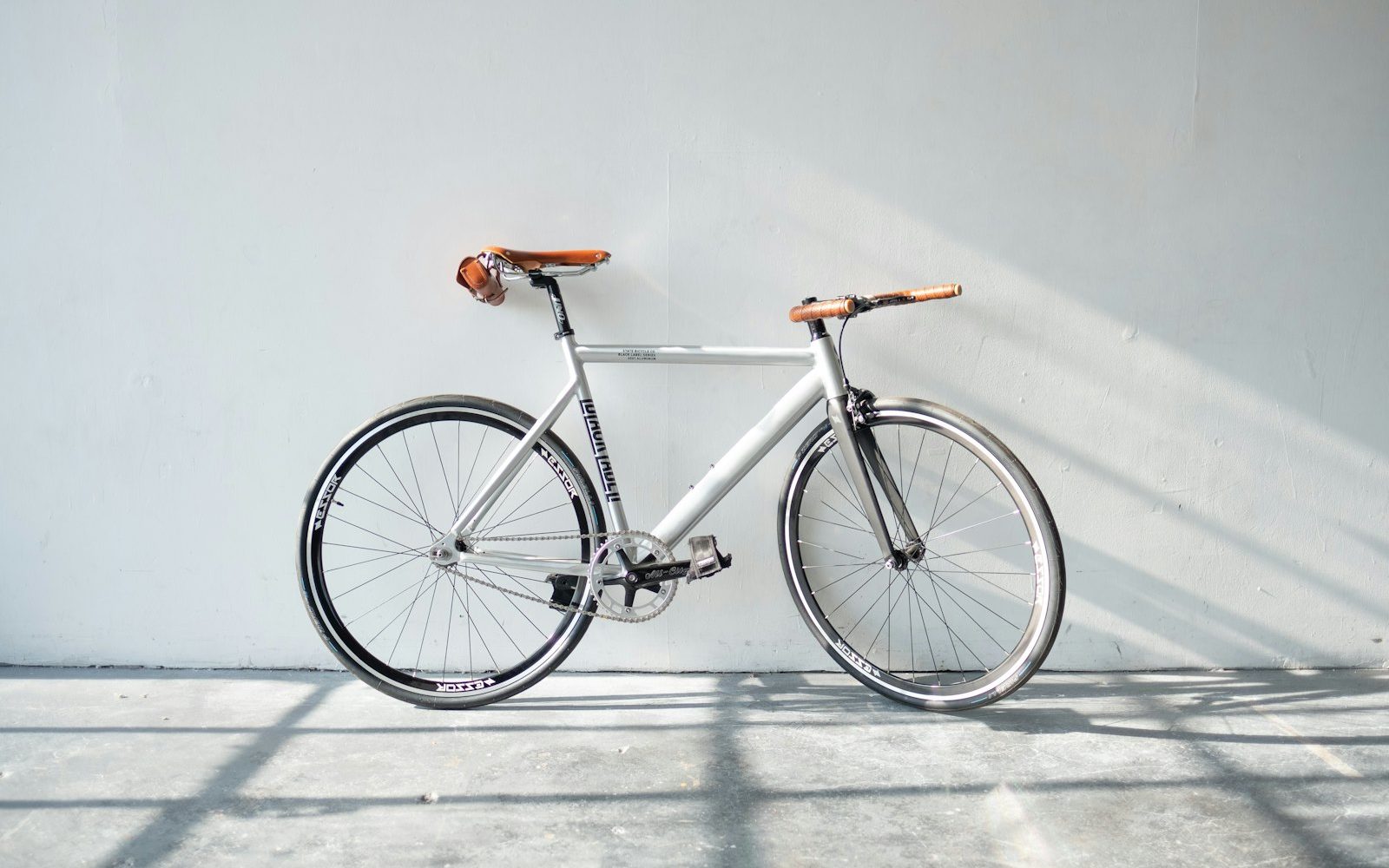
Bike rooms, stroller storage areas, and similar overflow spaces are some of the most politically charged shared spaces in apartment buildings. They are usually too small for demand. They are usually unregulated. They are usually shared by residents who have wildly different ideas of how the space should be used. Here are the patterns that help, distilled from many buildings.
The space-rationing reality
The first thing to accept is that most bike rooms are over-subscribed. The number of bikes residents want to store usually exceeds the room’s capacity, sometimes by a lot. This is rarely solved by adding more racks. Even if the building installs more, residents bring more bikes.
The result is that some form of informal rationing happens. Some residents use the rooms heavily. Some store bikes they never ride. Some need the space but cannot find a spot. The tension between these groups is the source of most bike room politics.
The personal contribution is to take only what you actively need. One bike per active rider. Strollers if you have a young child. Scooters if you use them. Do not park items in the bike room as long-term free storage. The room is not a storage unit.
The ghost-bike problem
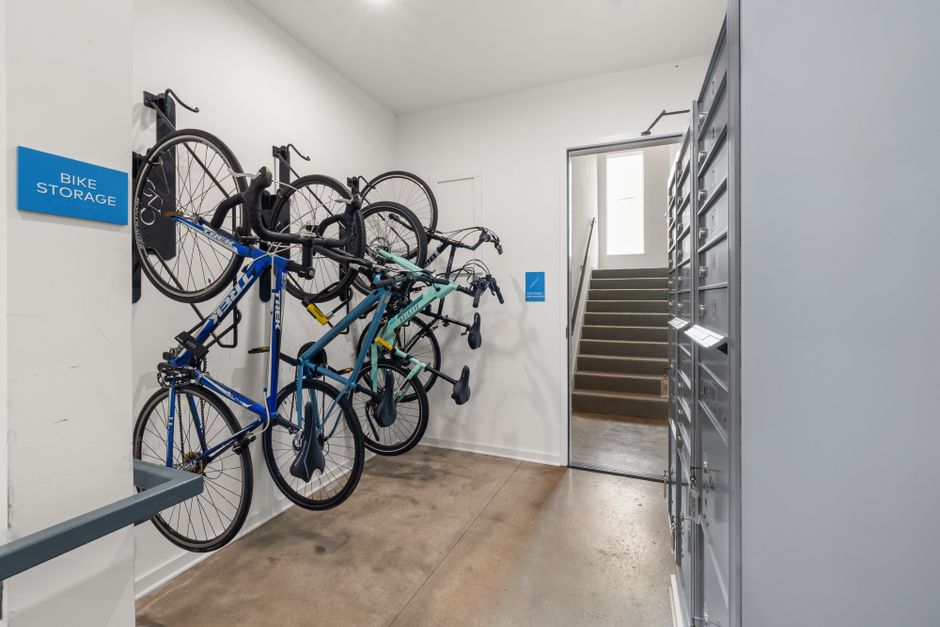
Almost every bike room has ghost bikes. Bikes that have not moved in months or years. Flat tires. Dusty frames. Some are former residents’ bikes that were never collected when they moved. Some are bikes the current owners simply forgot about.
Ghost bikes occupy space that active riders need. The polite solution is annual or biannual cleanups, where the building tags any bike that has not moved within a defined period (often 30 to 60 days) and after a notice window, removes them.
If your building does not do this, suggest it. The process is straightforward. Notice posted for 30 days, bikes inspected, tags placed on inactive bikes, owners contacted, removal after another 30 days. Most buildings will adopt this if asked.
If you have a ghost bike of your own (a bike you have not ridden in a year), consider donating or selling it. Holding onto a bike “just in case” while another resident has no space for their daily commuter is a small but real selfishness.
Many ghost bike owners genuinely believe they will ride the bike again someday. Statistics suggest they will not. If you have not ridden a bike in over a year, the probability that you will start again is low. Free the space for someone who will use it.
The rack and hanging system
Most bike rooms have a mix of floor racks and ceiling hooks. The norms:
- Ground-level spots are easier to use and should be allocated to residents who need them (elderly, disabled, families with children).
- Wall-mounted vertical racks are good for active riders.
- Ceiling hooks are best for bikes used less frequently because of the lift required.
- Heavy bikes (e-bikes, cargo bikes) should be on floor racks because lifting them is difficult.
- The same rack should not be claimed permanently by one bike; it should be in active use.
If your building has a hierarchy of rack types and you can use a less-easy one, leaving the easy ones for others is a small generous move. The neighbor who needs floor-level access will appreciate that you took the ceiling hook. Reference: the NFPA’s guidance on lithium-ion battery fire safety.
The lock question
In a locked bike room, do you still need to lock your bike? Generally yes, even in a secured room. The reasons:
- Bike rooms can be opportunistically entered if a door is propped or a fob is shared.
- Casual moves of your bike by other residents are less likely if your bike is locked.
- Theft from within the building, though rare, does happen.
- Insurance often requires a lock for any claim.
A basic lock is sufficient. The expensive heavy-duty lock you use at a city sidewalk is overkill for a bike room. A simple cable lock through the frame and the rack is enough deterrent for most situations.
The stroller storage question
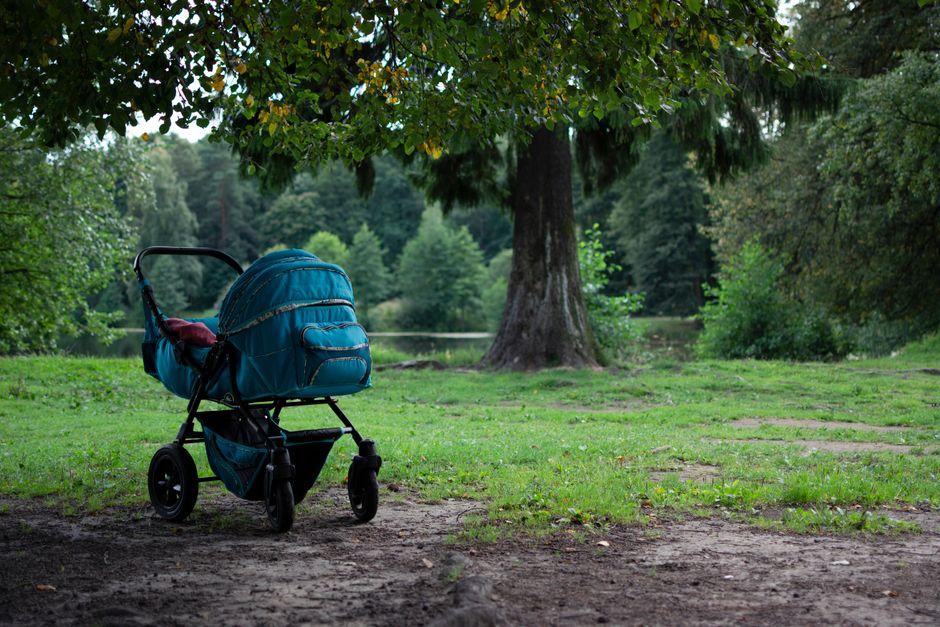
Strollers are large, heavy, and often used multiple times a day. Most buildings struggle to accommodate them. Hallways are usually prohibited. Apartments are usually too small for the daily-use stroller.
The good solutions are dedicated stroller rooms (some newer buildings have them), shared storage areas on residential floors, or storage in the lobby if space allows.
If your building lacks dedicated stroller storage, the bike room is sometimes the default. This is not ideal but is often the only option. Use minimal space, fold the stroller when possible, and respect the bike-room norms.
If your building has chronic stroller storage issues, raising it with management as a community concern is reasonable. Families with young children are a meaningful part of most buildings and the issue affects multiple residents.
The non-bike, non-stroller items
Bike rooms often accumulate non-bike items. Skateboards. Scooters. Tools left from a repair. Old boxes. A treadmill that someone parked there once.
The norm is that bike rooms are for bikes (and possibly strollers and similar wheeled vehicles). Other items should be in proper storage or in the resident’s unit. If you see non-bike clutter accumulating, mention it to management.
If you have a non-bike wheeled item, ask building management about the appropriate storage. Some buildings have separate areas for scooters and skateboards. Others permit them in the bike room as long as they are clearly active-use.
The bike repair etiquette
Most bike rooms are not workshops. Repairing your bike in the bike room is sometimes acceptable for small jobs (tightening a bolt, adjusting brakes), but not for full maintenance (cleaning chains, painting, major work).
If you do small repairs in the bike room, clean up afterward. Leave no oil drops, no metal shavings, no debris. The next resident should not encounter your work.
For larger jobs, bring the bike to your apartment or to a workshop. The bike room is for storage, not for projects.
The shared-tool question
Some buildings provide shared tools in the bike room. A floor pump, a few basic wrenches, a small toolkit. Use them with care:
- Return tools to their place after use.
- Wipe down any oily or dirty tools.
- Replace broken tools or report them.
- Do not take tools to your apartment for extended periods.
- If the tools are shared, do not monopolize them during peak times.
The shared pump is one of the small joys of a well-equipped bike room. The pump that goes missing because residents borrow and forget is the opposite. Keep the system working by participating well.
The personal-space norms
Bike rooms have implicit personal-space norms. Your bike has its spot. Other residents’ bikes have theirs. The norms:
- Do not move another resident’s bike unless absolutely necessary.
- If you must move it, do so carefully and put it back in approximately the same spot.
- Do not crowd your bike against another resident’s bike in a way that risks damage.
- If your bike has been moved, the polite assumption is that another resident needed access, not that something is wrong.
The bike room operates on a degree of mutual respect that residents develop over time. Newer residents sometimes do not yet know the norms. Patience helps.
What the bike room reveals about a building
Bike rooms and stroller storage areas are small shared spaces with outsized political weight. They reflect, in concentrated form, how a building handles shared resources. The buildings that handle them well have active management, periodic cleanups, clear rules, and residents who self-regulate.
The buildings that handle them badly have over-subscribed rooms, ghost bikes, no enforcement, and chronic resident frustration.
The personal contribution is small but matters. Use only what you need. Free space when you stop using something. Respect other residents’ equipment. Suggest improvements when needed. The bike room becomes a functional shared resource one resident’s small habits at a time. The same applies to every overflow storage space in any apartment building. The space serves the community when the community treats it that way.
Frequently asked
What if my building does not have a bike room?
Check whether bikes can be stored in your unit, on a balcony, or in another building storage area. Some apartments allow lobby bike racks. If none of these work, an off-site secured bike storage facility may be needed.
Can I store an electric bike in the bike room?
Check building rules. Some buildings allow e-bikes; some prohibit them due to fire safety concerns with lithium batteries. If allowed, store the battery separately and remove for charging.
What should I do if my bike is moved or damaged in the bike room?
Report damage to building management. Many cases are accidental and another resident did not realize. Avoid jumping to conclusions about deliberate damage without evidence.
How can I tell if a bike is a ghost bike?
Bikes covered in dust, with flat tires, or with rusted chains have usually been sitting for a long time. If your building does cleanups, these are the candidates for tagging.
Related guides
 Shared Spaces
When the Pool Opens: Sharing Without Tension
A shared building pool is one of the most-loved amenities and one of the most-contested. A grounded guide to using…
 Shared Spaces
The Building Co-Working Space, in Real Life
Many newer apartments offer co-working spaces as an amenity. A grounded guide to using them well in daily life.
 Shared Spaces
Rooftops, Sunsets, and Other Shared Pleasures
A shared rooftop is one of the great apartment amenities. A grounded guide to using it well without creating tension…