Hosting House Guests Without Compromising Building Security
A guest in your apartment is also a guest in your building. A short briefing keeps the building secure without making the visit feel like a security training.


Hosting house guests in an apartment is a small operation that most hosts handle the way they handle everything else: by assuming the guest knows what to do. The guest usually does not. A short briefing at the beginning of the stay prevents most of the security issues and keeps the host’s relationship with the building intact.
The briefing, in two minutes
The briefing is short. It happens when the guest arrives. It covers the few things that are specific to apartment living and that a non-apartment dweller would not know:
- Use the front door key for the building and the apartment. Both are separate locks.
- Do not hold the building door for anyone you do not know. If someone needs to get in, they should use the buzzer or their own key.
- Do not prop the front door of the building open for any reason, even briefly.
- The hallway is shared. Keep voices down, especially late at night.
- Trash goes down the chute or in the trash room. Recycling is separate.
- The wifi password is X.
- If a fire alarm goes off, here is what to do.
That is the briefing. Five minutes at most. It eliminates almost every security issue and gives the guest the practical orientation they need.
The key question
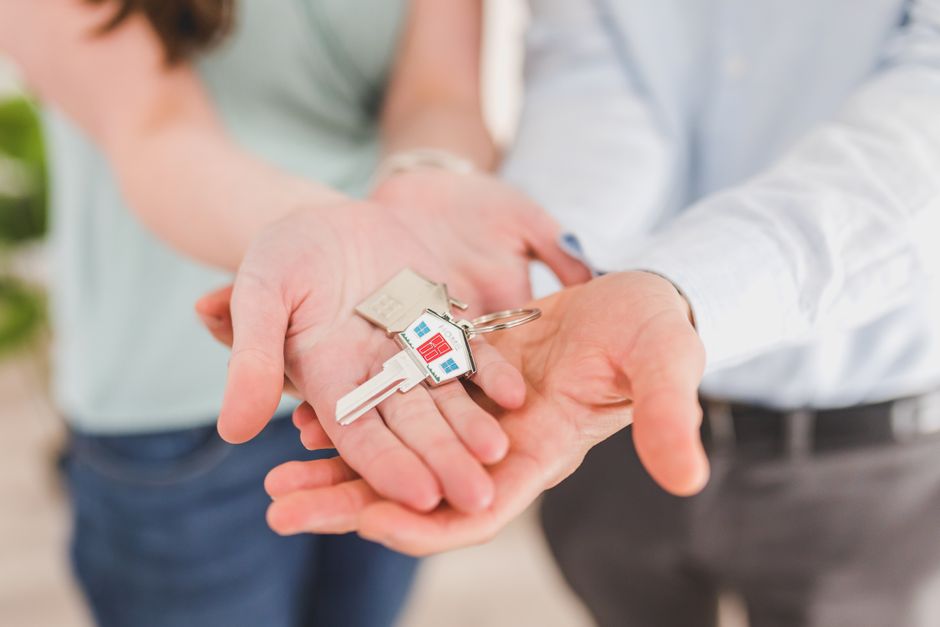
The biggest decision is whether to give the guest a key. For short stays, a key is often unnecessary. You can arrange to be home when they need to come and go. For longer stays, a key is much more practical.
If you give a key, give them their own copy. Do not share your only key. The risk of a guest losing the key while out is meaningful. A spare key, made specifically for the visit, can be returned at the end of the stay and (if lost) replaced without affecting your own access.
Make sure the key opens both locks. Many apartment doors have both a doorknob lock and a deadbolt. A key that opens only one is half-useful and creates frustration.
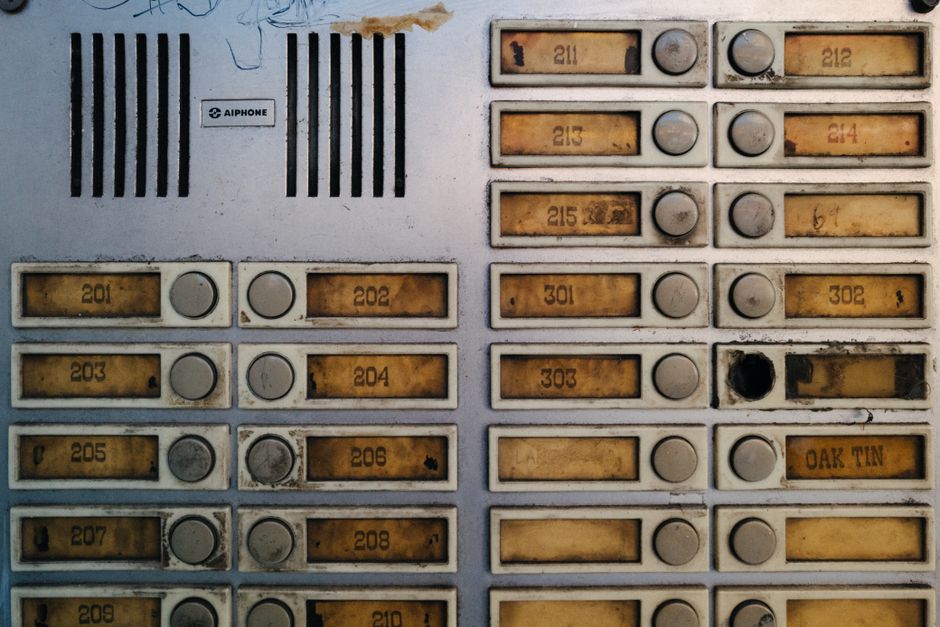
For buildings with electronic key fobs, the briefing is more nuanced. Many buildings allow temporary visitor fobs. Some require you to be present to let guests in. Some have intercom systems that let you buzz them in from your unit. Know your building’s policy before the guest arrives.
Sharing your own building fob with a guest is technically a lease violation in many buildings. The fob is tied to your unit and is supposed to stay with you. Check the building’s guest policy. Many offer official visitor fobs or daily access codes that are the proper channel for guest entry.
The hallway and noise question
Guests who come from single-family houses or quieter buildings often do not realize how much sound carries in apartment hallways. Late-night conversations on the way back from a bar. Loud arrivals at midnight. Suitcases dragged across hard floors.
Mention quiet-hour norms during the briefing. “After about 10 the building gets quiet, so soft voices in the hallway.” Most guests adjust easily once they know. The problem is when no one tells them.
The same applies to inside the unit. If your apartment shares walls with active neighbors, mention that voices carry. A guest may not realize that they are speaking at a normal volume that becomes audible in the next unit. A brief mention saves a complaint later.
The neighbor courtesy
If your guest will be in the building for more than a few days, a quick heads-up to immediate neighbors is a small courtesy that prevents misunderstandings. “My friend Marie is visiting for the next week, you may see her in the hallway.” The neighbor now has context and will not wonder who the unfamiliar person is.
For shorter visits, this is optional. The neighbors will see the guest a few times and not think much of it. For longer visits, the heads-up is appreciated.
If your building has staff (doorperson, front desk), mention the guest to them. Some buildings require this formally. Others appreciate the informal note. The staff can then welcome the guest, point them to the right elevator, and reduce the awkwardness of an unfamiliar face entering the building.
Multiple guests
If you are hosting multiple guests (family for the holidays, a group of friends for a weekend), the briefing scales but does not get longer. The same five-minute conversation covers everyone. You can also designate one guest as the “go-to” for building questions, which prevents multiple guests asking you the same questions through the visit.
Multiple guests also raise the noise and density question. A group of four laughing in the hallway is much louder than a single guest. Mention this. Plan to gather inside the unit rather than in shared building spaces. The lobby, the rooftop, and the courtyard are sometimes acceptable for short conversations but not for extended group gatherings unless your building specifically allows it.
Long-stay guests
For guests staying longer than about two weeks, the considerations expand. Many leases have specific rules about long-term guests. Some require the landlord to be notified. Some treat anyone staying more than a certain number of days as a tenant rather than a guest, which has legal implications for both you and the guest.
Read your lease. If it has a clear long-stay rule, follow it. If it is ambiguous, a quick conversation with the building manager clarifies. Most buildings are flexible about reasonable family or recovery situations but want to be informed.
The long-stay guest also impacts your daily life more than a short one. Plan for the dishwasher running more, the laundry capacity, the bathroom usage, the meal logistics. A guest who feels included in these practicalities is a better guest than one who waits for everything.
Departure
When the guest leaves, walk them out the first time if possible. This handles the building exit smoothly and lets you collect the key. For longer stays where multiple comings and goings happen, walking them out at the very end is the relevant moment.
If the guest is leaving early (before you wake up, or while you are at work), give them clear instructions. Where to leave the key. Whether to lock the door behind them. How to exit the building. A note on the kitchen counter handles this if you cannot be present.
After the guest is gone, do a quick walkthrough of your unit. Make sure the door is locked. Check that the windows are closed. Confirm that nothing was forgotten. Restore your normal routines.
The relationship maintenance
A guest who creates problems in your building, even unintentionally, can affect your relationship with neighbors and management. A guest who is briefed and respectful is invisible to the building. They come, they go, no one mentions them.
The five-minute briefing is the small investment that produces the invisible result. The guest does not feel briefed. They feel welcomed. The building does not notice them. You spend the visit enjoying your friend’s or family member’s company instead of managing the building’s response to them.
This is the version of apartment hosting that works for both the host and the guest. Easy to do. Quietly effective. The opposite of what many hosts default to, which is to give a key and assume everyone knows what to do. Most guests do not know, and they are happy to be told. The briefing is welcomed, not resented, when it is done warmly and briefly. Five minutes at the start of the stay, then back to the actual hosting that the visit was supposed to be about.
Frequently asked
How long can a guest stay before they need to be added to the lease?
Varies by lease and jurisdiction. Common thresholds are 14 days within a 30-day period, or 30 days continuous. Read your lease and ask the landlord about anything longer.
Can my guest receive packages at my address?
Generally yes for short visits. For longer stays, the guest should use a different address (workplace, family member) for anything important. Building staff are usually flexible about a few packages for a visiting guest.
What if a guest causes a problem with a neighbor?
Apologize on behalf of both of you immediately. Take responsibility for the situation. Most neighbors are understanding about a one-time guest issue if it is handled gracefully.
Should I tell my landlord about guests?
For short visits, no. For long stays, yes, especially anything over two weeks. Some leases require notification regardless of length.
Related guides
 Community Safety
Package Theft Without Going to War
Package theft is real but rarely worth the cameras, signs, and confrontations residents reach for. A grounded look at calmer…
 Community Safety
A Water Leak From the Unit Above: What to Do in the First Hour
A leak from the unit above rarely announces itself politely. You notice a stain spreading across the ceiling, a drip…
 Community Safety
Why Loud Hallways Sometimes Mean Safer Hallways
A quiet hallway feels safe but a hallway with normal life sounds is often the safer one. A grounded look…