When You Owe an Apology to the Whole Floor
When you have impacted multiple neighbors, a broader apology is sometimes appropriate. The structure differs from a one-person apology.


Most apology guides focus on one-on-one situations. Some incidents impact multiple neighbors at once, and a broader apology is appropriate. The structure differs from a single-person apology and most people have not thought about how to do it. Here is what works.
When a broad apology is appropriate
Some situations warrant apologies to multiple neighbors:
- A loud party or gathering that affected the whole floor.
- An incident in shared spaces (lobby, hallway, courtyard) that disrupted others.
- A guest or contractor of yours who behaved badly in the building.
- A noise event that affected multiple units.
- A spill, smell, or other building-wide impact you caused.
- A misdirected complaint or building-wide email that affected others.
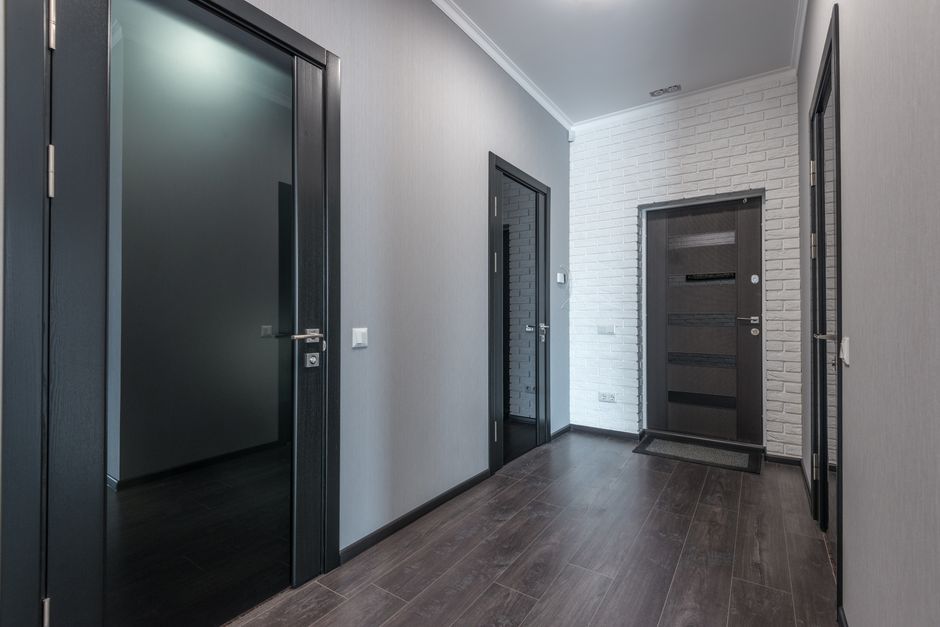
If the incident impact extended beyond one immediate neighbor, the apology probably should too.
The format options
A broad apology can take several forms:
- A note in the building chat or email. Reaches everyone but is impersonal.
- Individual notes to affected units. More personal but more work.
- A brief in-person apology when crossing paths. Authentic but takes time.
- A hallway note posted briefly. Visible but can feel performative.
- An apology routed through building management. Formal and complete.
The right format depends on the scope and severity of the incident, plus the culture of your building.
The scale of the apology should match the scale of the incident. A loud party of 30 people gets a meaningful apology. A neighbor who momentarily heard your music does not need a building-wide email about it. Calibrate accordingly.
The in-person approach
For situations where you have ongoing contact with neighbors, the in-person approach often works best. Over the next few days, when you encounter affected neighbors, briefly apologize:
“Hey, I just wanted to apologize about the noise the other night. It got louder than I expected. I am sorry if it disturbed you. Will not happen again.”
This is brief, specific, and personal. The neighbor feels acknowledged. The apology lands without being elaborate.
If you do not naturally cross paths with affected neighbors, this approach takes longer. A note may be more practical.
The note approach
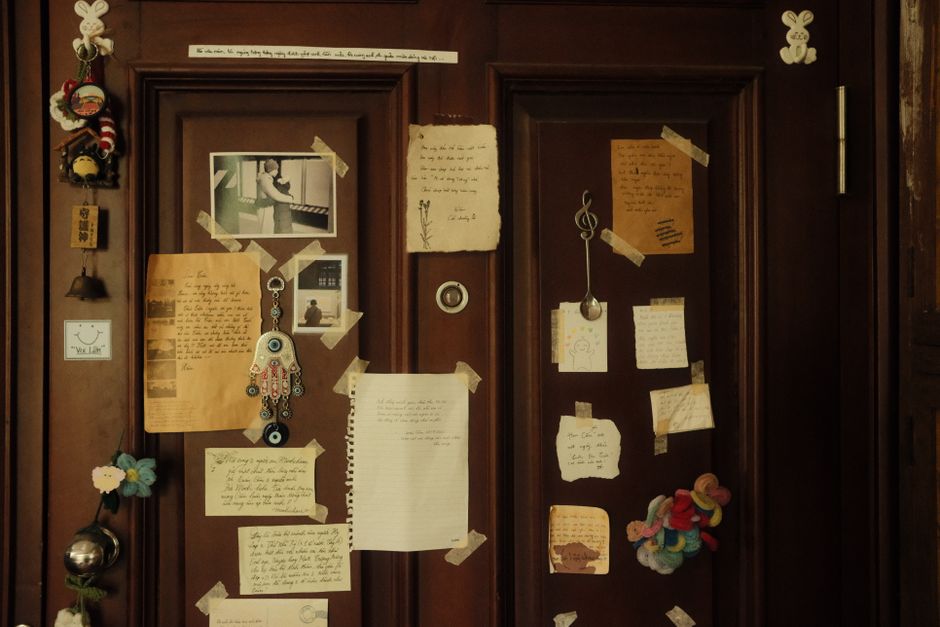
For broader incidents, a brief written note to affected units works:
“Hi neighbors, I wanted to apologize for the noise from my unit on [date]. We had a gathering that ran later and louder than I intended. I am sorry if it disturbed you. I will be more mindful in the future. [Your name and unit number.]”
Distribute to the affected units, often the ones immediately above, below, and on either side. For a louder event, the whole floor.
This is more efficient than tracking down each neighbor in person and reaches even those you rarely see.
The building-wide message
For incidents that affected the whole building or large parts of it, a building-wide message may be appropriate:
Posted in the building chat, sent through the building email system, or relayed through management. The message should be brief, apologetic, and forward-looking.
“To my neighbors, I want to apologize for the disturbance on [date]. The gathering at my unit ran later and louder than I had planned. I am sorry to those who were affected. It will not happen again. Thank you for your patience.”
This works for events where the impact is hard to scope to specific units. The apology covers everyone who might have been affected, without requiring you to identify them individually.
The over-apologizing trap
There is a risk of over-apologizing, which can be its own form of self-centeredness:
- Excessive length and elaboration.
- Repeated apologies for the same thing.
- Including a long explanation of what happened.
- Adding context that sounds like excuses.
- Pre-apologizing for future events.
The apology should be brief enough that the recipient can absorb it without feeling burdened. Short, specific, sincere.
The “no need to apologize” responses
Some neighbors will tell you it was no big deal. They may genuinely mean it. They may be being polite. Either way, the appropriate response is to thank them and not dismiss your own apology:
“Thanks for being understanding. I still felt I should mention it. Sorry again.”
Do not push them to accept the apology as a major thing. Let them downplay it if they want. You have done your part by acknowledging.
The follow-through
The most important part of any apology is the behavior change that follows. An apology without behavior change is empty. Reference: research from Harvard’s Program on Negotiation on what makes apologies credible.
If you apologized for a loud party, the next event should be quieter and end earlier. If you apologized for a misbehaving guest, you do not host that guest again or you brief them clearly. If you apologized for a smell incident, you address the underlying cause.
The follow-through is what makes the apology meaningful. Neighbors notice the pattern. The next event that goes well builds trust. A repeated incident after an apology destroys it.
The specific situations
A few common situations and the right approach:
Loud party: Brief in-person apologies to immediate neighbors. A short note to others on the floor if impact was broader.
Misbehaving guest: In-person apology if neighbors witnessed it. A note if you are not sure who saw what.
Hallway incident: Often a brief note posted at the elevators (with your name and unit) covers everyone who might have walked by.
Smell or spill: Apology to affected units, plus management notification.
Building-wide impact: Building-wide message, ideally with a small concrete commitment about future behavior.
The contractor or service person scenario
Sometimes the apology you owe is for someone else’s behavior. Your contractor was rude in the hallway. Your dog walker did not pick up. Your delivery driver blocked the entrance.
The apology is still yours because they were operating on your behalf. The format is similar but adds responsibility-taking:
“I apologize for the way my contractor handled himself in the hallway last week. I have spoken to him about it and that should not happen again.”
The neighbor knows you took responsibility for the third party rather than disowning them.
The pattern of broader awareness
The renters who occasionally need to offer broader apologies often have something in common with each other. They host more, have more visitors, generate more activity. This is not a problem; it is the kind of resident who participates actively in the building’s life.
The cost of this active life is the occasional need to apologize when activity spills over. Handling this gracefully is part of being a good active resident.
The renters who never need to apologize for anything are usually the ones who barely engage with the building at all. Some apologizing is the cost of being a present, social, engaged resident.
Matching the apology to the actual impact
Broader apologies are uncommon but important when warranted. They acknowledge that your impact extended beyond one person. They protect your standing in the building. They demonstrate awareness and responsibility.
The skill is matching the apology to the actual impact. Too small and the affected neighbors feel dismissed. Too large and you make the incident bigger than it needed to be.
The next time you realize that something you did or hosted impacted multiple neighbors, consider the broader apology. The brief in-person versions, the notes, or the building-wide messages. Choose what fits the scale of the incident and your relationship with the building. The brief acknowledgment costs little and pays back in the goodwill of being known as the resident who handles things gracefully even when they go slightly wrong.
Frequently asked
Do I really need to apologize to people I do not know?
For genuine impact, yes. The neighbors who were affected by your action are real people even if you have not met them. The apology acknowledges their experience.
What if I am embarrassed to send a note to neighbors I do not know?
The embarrassment fades quickly. The acknowledgment lasts. Most recipients appreciate the gesture and many will reach out warmly in response.
Should I include a peace offering with my apology note?
For significant impacts, sometimes. A small bag of cookies or chocolates is enough. Skip elaborate gifts; they read as overcompensating.
How long after the incident should I apologize?
Within 24 to 48 hours when possible. Same day is best. After a week, the apology starts to feel awkward but is still better than no apology.
Related guides
 Conflict Resolution
The Late-Night Sound Complaint, Handled Calmly
A late-night noise problem is one of the most common neighbor conflicts. A grounded look at how to handle it…
 Conflict Resolution
Rebuilding After a Big Argument With a Neighbor
A serious argument with a neighbor leaves real damage. A grounded guide to repairing the relationship when both sides are…
 Conflict Resolution
Living Above a Conflict Without Joining It
Other residents' disputes affect the whole building. A grounded guide to staying out of conflicts that are not yours.