Why Your Rent Just Increased, in Plain Terms
A rent increase letter often feels arbitrary. The factors behind it are usually identifiable, and understanding them helps you respond well.

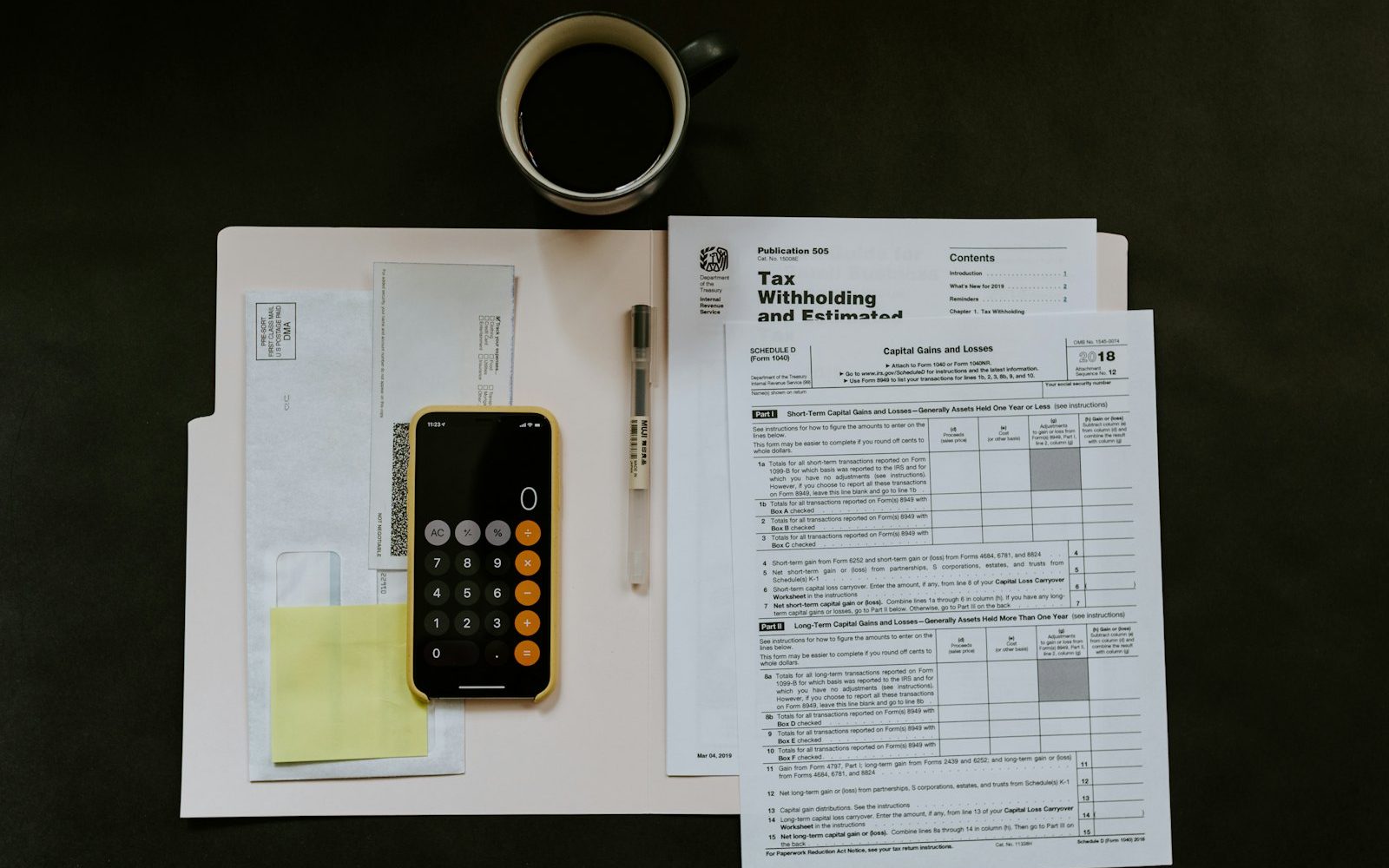
A rent increase letter has a particular emotional texture. It arrives in the mail or in an email. It is brief. It is polite. It mentions a number that is higher than the number you have been paying. There is usually no explanation beyond “market conditions” or “operating costs.” The letter does not invite a discussion. It just informs you of the new rate, effective at your next lease term.
For most renters, the rent increase feels arbitrary and slightly aggressive. The reality is more nuanced. Rent increases are driven by identifiable factors that, once understood, make the increase less mysterious and your response more strategic. Here is what is actually happening.
The factors behind most increases
Rent increases typically reflect some combination of:
- Market conditions. What comparable units in your area are renting for.
- Operating cost inflation. Building maintenance, insurance, taxes, utilities all increasing.
- Property value increases. Higher property values create pressure for higher rents.
- Renovation or improvement costs. Recently upgraded buildings often raise rents to cover improvements.
- Interest rate environment. Property owners with mortgages face higher rates and may pass costs.
- Tenant turnover preference. Some landlords use modest increases to test tenant willingness to stay versus going to market.
- Building-specific factors. Major repairs needed, new amenities, changing ownership.
Most increase letters do not explain which factors drove the specific number. The “market conditions” phrase usually means the landlord checked what similar units rent for and adjusted accordingly.
What is reasonable in your market
Increases vary widely by region and market conditions:
- Stable markets: 3 to 5 percent annual increases are common.
- Growing markets: 5 to 10 percent is typical.
- Tight markets: 8 to 15 percent or higher.
- Rent-controlled jurisdictions: usually capped at 1 to 5 percent.
Knowing your local norm helps you assess whether your increase is reasonable. Significantly higher than the norm is worth questioning. Within the norm is harder to negotiate.
Local rent reports from real estate associations, news articles, and tenant advocacy groups often have data on average increases in your area.
Before responding to a rent increase, check what comparable units in your building or neighborhood are actually renting for. Online listings, real estate sites, and a few quick tours give you the data. If your increase brings you to or above market, you have negotiating room. If your increase keeps you below market, the increase is harder to dispute.
The rent control question
Some jurisdictions have rent control or rent stabilization laws that limit annual increases. Check whether your apartment is covered. Rent control rules vary widely: Reference: the Consumer Financial Protection Bureau’s overview of renter protections.
- Some cap increases at a small percentage annually.
- Some tie increases to inflation indexes.
- Some apply only to specific building types or vintages.
- Some have exceptions for major capital improvements.
If your apartment is rent-controlled and the increase exceeds the legal cap, the increase is not enforceable. Tenant rights organizations can help you understand your specific protections.
The negotiation possibility
Rent increases are sometimes negotiable, especially in slower markets or when the tenant has been reliable. The factors that support negotiation:
- You have paid rent on time consistently.
- You have caused no maintenance issues.
- You have been a low-maintenance tenant.
- The market has comparable units at lower rates.
- You have lived in the unit multiple years (turnover costs the landlord money).
- You can articulate a specific request (a smaller increase, or a longer lease in exchange for the increase).
The polite approach: say you received the rent increase letter, that you are considering renewal, and ask whether there is any flexibility on the increase given how long you have been in the unit. Some landlords will discuss it. Some will compromise. Some will not.
The conversation script
If you want to negotiate, here is a sample approach:
Sample wording: “Hi, I received the renewal letter with the proposed increase. I have enjoyed living here and would like to renew. The increase brings the rent to the higher end for similar units in this area. Would there be flexibility on either the rate or the lease term? I am open to a longer-term commitment if that helps.”
This message acknowledges the increase, demonstrates your value as a tenant, references market awareness, and offers a trade. Most landlords will engage with this kind of message thoughtfully.
The acceptance versus move calculation
If the increase stands, the decision becomes accept or move. The framework from the renew-or-move article applies. The factors:
- What does comparable rent cost elsewhere?
- What are the total move costs (typically $1500 to $5000)?
- What are the non-financial values of staying?
- Is your current place still a good fit for your life?
Sometimes the increase is reasonable to accept. Sometimes it tips the balance toward moving. Both can be the right answer depending on circumstances.
The legal limits on increases
Beyond rent control, several legal limits apply to rent increases:
- Mid-lease increases are generally not allowed unless the lease specifically permits them.
- Notice requirements for increases vary (often 30 to 60 days before a new lease term).
- Increases cannot be discriminatory based on protected classes.
- Increases cannot be retaliatory for tenant complaints or organizing.
If you suspect an illegal increase (mid-lease, discriminatory, retaliatory), tenant rights resources can help you understand your options. Reference: HUD’s Office of Fair Housing and Equal Opportunity.

The hidden-cost increases
Sometimes the base rent stays similar but other costs rise. Fee increases on parking, valet trash, amenity fees, pet fees, and other line items can effectively raise your total cost without a formal rent increase.
When evaluating a renewal, calculate the all-in cost change, not just the base rent change. A small base increase combined with multiple fee increases can be a larger effective increase than it looks.
The pattern over multiple years
Annual increases compound. A 5 percent increase yearly becomes a 28 percent increase over five years. The unit you signed for is significantly more expensive than the one you renew into multiple years later.
Plan for this in your long-term housing budget. The rent you can afford today may not be affordable in three or four years if your income does not grow at a similar rate.
Long-term renters in stable employment often benefit from buildings with capped annual increases. The predictability is worth a slightly higher starting rent if the cap protects you over time.
The market context
Rental markets shift over time. When markets soften (more supply, less demand), increases become smaller or even negative. When markets tighten, increases accelerate.
Watch your local market. News about new construction, employment trends, and rental data tells you what to expect over the coming years. The renter who anticipates market shifts can plan accordingly.
Treating increases as expected, not personal
Rent increases are a normal feature of renting. They are not personal. They reflect a combination of market forces and landlord economics that exist regardless of your individual situation.
The protection is understanding. Know what is reasonable in your market. Track your actual all-in costs. Negotiate when possible. Move when the math tips. Plan for compounding increases over time.
The renter who treats rent increases as expected events handles them strategically. The renter who treats each increase as a betrayal struggles emotionally and often makes worse decisions.
The next time you receive an increase letter, take a breath. Check the local market. Calculate the all-in cost change. Consider negotiation. Make the renew-or-move decision deliberately. The increase is not the end of the conversation. It is the start of yours.
Frequently asked
Is there a maximum rent increase landlords can impose?
In jurisdictions without rent control, there is usually no statutory maximum, though leases sometimes cap increases. Rent-controlled units have specific caps that vary by location.
Can my landlord raise rent mid-lease?
Generally no, unless your lease has a specific clause allowing it. Mid-lease increases without lease authority are not enforceable.
What if I cannot afford the new rent?
Negotiate, then consider moving. If the new rent is genuinely unaffordable, your options are negotiation, finding a roommate, downgrading to a smaller unit, or moving to a less expensive area.
Can I refuse to sign a renewal at a higher rent and stay at the old rent?
No. Refusing to sign the renewal generally means moving out at the end of your current lease. Staying past the lease without a new agreement creates legal issues.
Related guides
 Rental Living
Breaking a Lease Early: Your Options and What It Really Costs
Breaking a lease early is one of the most stressful things a renter can face, partly because the lease reads…
 Rental Living
Asking for a Small Lease Change Without a Fight
Small lease changes are more negotiable than renters expect when the request is structured well. A grounded guide.
 Rental Living
Renewing Versus Moving: A Calm Comparison
The renew-or-move decision is one of the bigger choices in a renter's year. A grounded framework for thinking through it…