Subletting Without Burning a Good Apartment
Subletting is one of those things that sounds simple and goes wrong fast. A few patterns keep it from burning your apartment, your relationships, or your security deposit.


Subletting is a useful flexibility tool. It lets you keep a great apartment during travel, internships, work assignments, or life transitions. It can also be a financial buffer if you need to move out before your lease ends. Done well, it protects everything. Done badly, it can cost you the apartment, the deposit, and significant peace of mind. Here is how to do it well.
The lease check, first
Before anything else, read your lease’s subletting clause. Most leases address subletting specifically. The possibilities:
- Prohibited entirely. Some leases ban subletting under any circumstances.
- Permitted with landlord approval. Common arrangement. You need written permission.
- Permitted with restrictions. May limit length, screening process, or other conditions.
- Permitted freely. Rare but possible in some leases.
Subletting against the lease is a major risk. The landlord can terminate the lease, evict both you and the subletter, and pursue financial damages. Always know the rules before proceeding.
The landlord approval process
If your lease requires landlord approval, the standard process:
- Notify the landlord in writing about your intention to sublet.
- Provide details: dates, the prospective subletter’s information, reason for subletting.
- The landlord screens the subletter (often through an application process).
- If approved, sign a sublease agreement that both you and the subletter execute.
- Sometimes a formal addendum to the original lease is also required.
This usually takes one to four weeks. Plan ahead. Last-minute subletting requests often get denied due to insufficient time for approval.
Even if your lease seems to permit subletting without explicit approval, asking the landlord first is the right move. The conversation builds goodwill and avoids surprises. Most landlords prefer to know who is in their unit, even if they cannot technically refuse.
The screening of your subletter
Even if the landlord screens, you should also screen carefully. The subletter will be living in your unit, treating your stuff, and potentially affecting your relationship with the landlord and neighbors.
Look for:
- Stable employment or income.
- Good rental references from previous landlords.
- A history of paying rent on time.
- A clear reason for needing a sublet.
- Trustworthy connections (mutual friends, professional networks).
Avoid:
- Vague backgrounds or hard-to-verify claims.
- Pressure to commit quickly without screening.
- Refusal to provide references or financial information.
- Plans that seem inconsistent or unclear.
A bad subletter can cost you significantly more than a few weeks of vacancy. Take the time to vet carefully.
The written sublease agreement
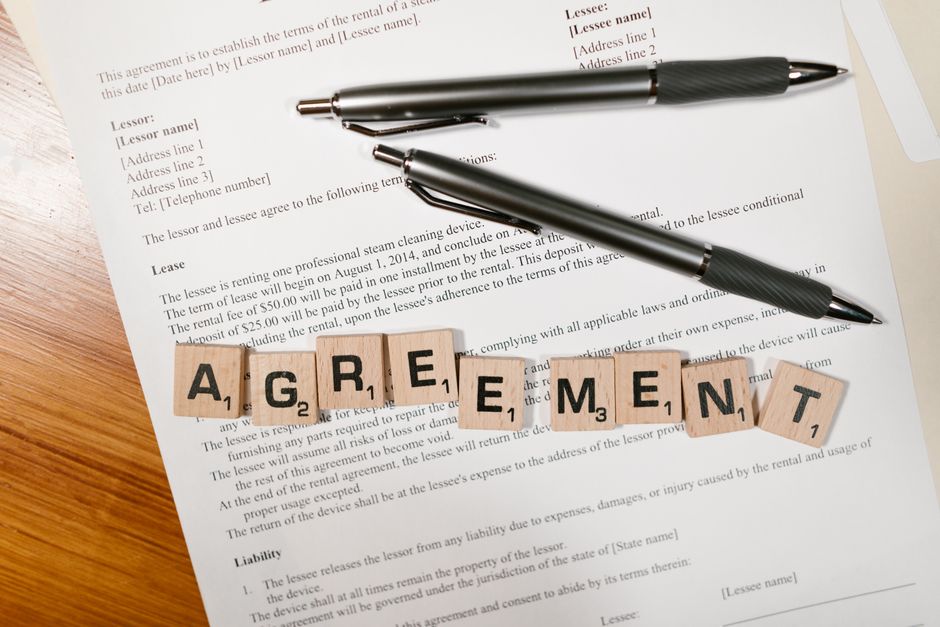
Always have a written sublease, even with friends. The agreement should cover:
- The specific dates (start and end).
- The rent amount and due date.
- How the subletter pays you (and how you pay the landlord).
- Security deposit from the subletter (typically equivalent to one month’s rent).
- Utilities responsibility.
- Rules from the original lease that apply (no pets, quiet hours, etc.).
- What happens if the subletter damages the unit.
- What happens if the subletter does not pay.
- The subletter’s acknowledgment that they are subletting from you, not the landlord directly.
- Signatures from both parties, dated.
Many states have standard sublease forms available online. Use one as a starting point and adapt to your situation.
The financial structure
You remain legally responsible for the original lease. The subletter pays you. You pay the landlord. The structure:
- Subletter pays a security deposit to you (held by you for the duration).
- Subletter pays monthly rent to you (you pay the landlord on the original lease).
- Subletter pays you for the utilities you cover.
- You maintain the original lease relationship with the landlord.
Hold the deposit in a separate account. Do not spend it. It is the subletter’s money until the end of the sublease and any damage assessment.

The unit preparation
Before the subletter arrives:
- Document the current condition with photos (same as a move-in walkthrough).
- Provide a key (or building access details).
- Walk through the unit with the subletter, pointing out anything important.
- Explain building rules, trash protocols, neighbor expectations.
- Share contact information for the landlord, building manager, and yourself.
- Remove valuable or sensitive personal items.
- Secure or store anything you do not want the subletter to use.
The preparation takes a few hours. It establishes clear expectations and creates documentation that protects you if anything goes wrong.
The during-sublet management
While the sublet is active, stay in light contact with the subletter. Brief check-ins. Confirmation of rent payments. Quick responses to any questions or issues.
If a maintenance issue arises, coordinate with the landlord on behalf of the subletter. You are the primary lease holder and the landlord may not deal directly with the subletter for major issues.
If the subletter contacts you about a problem, take it seriously. A small issue ignored becomes a bigger issue. The relationship works when both sides communicate openly.
The subletter who does not pay
If the subletter stops paying or violates the agreement, the situation is complicated. You are responsible to the landlord regardless of what the subletter does. The legal process to evict a subletter varies by jurisdiction and can take weeks or months.
The preventative measures are tight screening upfront, a clear written agreement, and a meaningful security deposit. The remedial measures are documentation, formal demand letters, and sometimes legal action.
If you find yourself in this situation, consult a tenant rights organization or attorney. The specific process depends on your local laws. Reference: HUD’s state-by-state tenant rights directory.
The end of the sublet
When the sublet ends:
- Walk through the unit with the subletter present.
- Compare condition to your move-in photos with them.
- Note any new damage.
- Decide on any deposit deductions.
- Refund the remaining deposit to the subletter within a reasonable timeline.
- Collect keys and access devices.
- Resume your own tenancy or coordinate move-out with the landlord.
Handle the end with the same care as a regular tenant-landlord move-out. The subletter’s experience with you affects your reputation and potential future arrangements.
The friend-and-family complication
Subletting to friends or family creates its own complications. The casual relationship can lead to skipping paperwork, forgiving missed payments, or tolerating bad behavior that you would not from a stranger.
The protection is to treat friend-and-family sublets with the same formality as stranger sublets. Sign the same agreement. Collect the same deposit. Have the same expectations. The relationship is preserved by the structure, not by the absence of structure.
If you cannot treat a friend or family member formally, do not sublet to them. The mixed informal arrangement causes more problems than it solves.
Why the formality is worth the effort
Subletting is a real flexibility tool that lets renters keep good apartments during life changes. It is also a real risk that can cost the apartment, the deposit, and the relationships involved.
The structure makes the difference. Lease check first. Landlord approval. Careful screening. Written agreement. Documented preparation. Active management. Formal closure.
The cost of doing this well is a few hours of paperwork and some careful coordination. The benefit is being able to keep a great apartment through travel, transitions, or temporary moves without losing what you have built.
The next time you consider subletting, treat it as a small business transaction even with friends. The formality is what protects everyone. The casual approach is what creates the stories that experienced renters tell to warn the next generation. Be the renter who has good sublet stories, not the renter who has cautionary ones.
Frequently asked
Can I sublet without telling my landlord?
No, even if your lease seems permissive. Landlord notification is almost always required, and proceeding without it can void your lease.
What if my landlord refuses to approve a subletter?
Ask why. Sometimes the reason can be addressed. If the refusal is unreasonable, some jurisdictions have laws limiting unreasonable refusal. Consult a tenant rights resource.
How much should I charge a subletter?
Usually your full rent and proportional utilities. Some leases prohibit profiting from sublets. Check your lease before charging above your cost.
What if the subletter damages the unit beyond their deposit?
You are responsible to the landlord for the cost. You can then pursue the subletter for reimbursement, but recovery can be difficult. This is why thorough screening matters.
Related guides
 Rental Living
Deposits, Documented Honestly
Security deposit disputes are largely a documentation problem. A grounded guide to protecting yours from move-in to move-out.
 Rental Living
Breaking a Lease Early: Your Options and What It Really Costs
Breaking a lease early is one of the most stressful things a renter can face, partly because the lease reads…
 Rental Living
Asking for a Small Lease Change Without a Fight
Small lease changes are more negotiable than renters expect when the request is structured well. A grounded guide.